
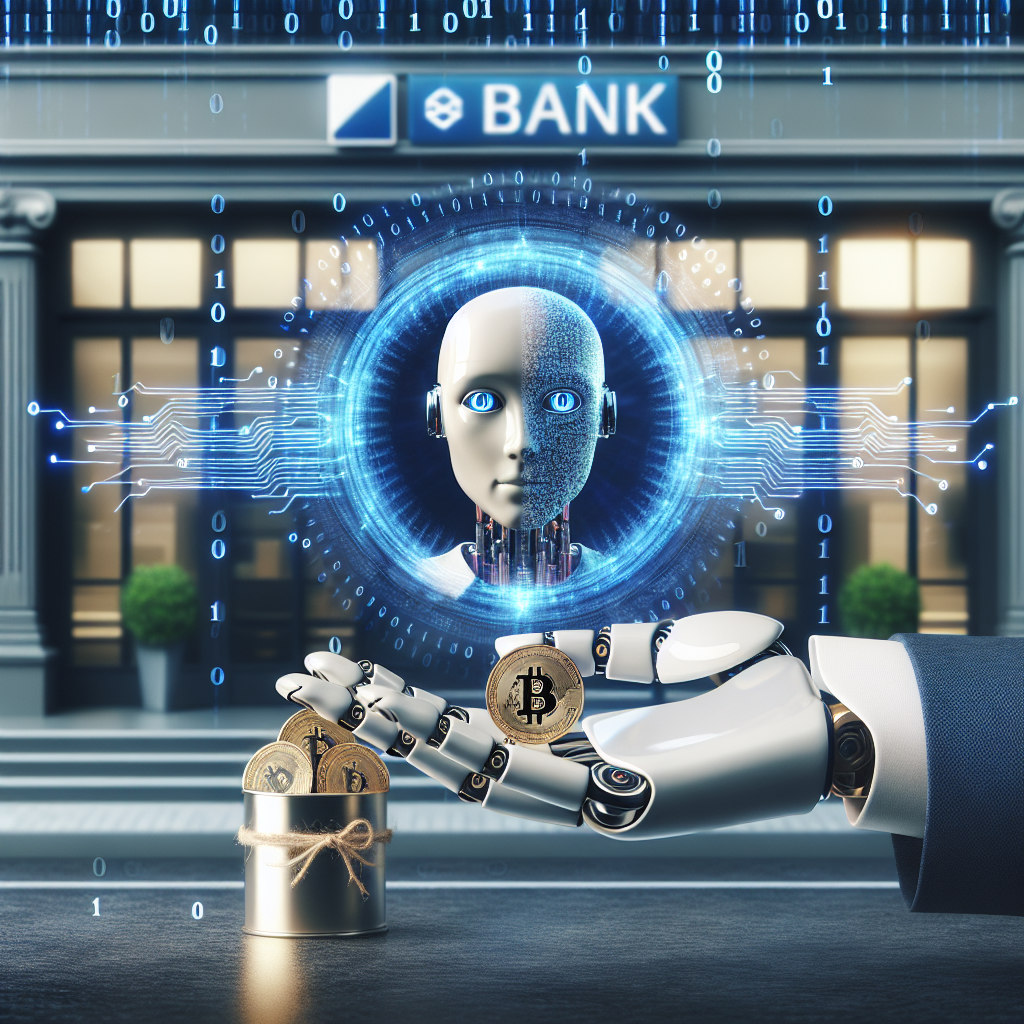
The Rise of AI-Powered Customer Service in Banking
In recent years, artificial intelligence (AI) has revolutionized various industries, and banking is no exception. The use of AI-powered customer service in banking has become increasingly popular due to its ability to provide personalized, efficient, and cost-effective solutions for customers. From chatbots to predictive analytics, AI is transforming the way banks interact with their customers and enhancing the overall banking experience.
What is AI-Powered Customer Service?
AI-powered customer service in banking refers to the use of artificial intelligence technologies such as machine learning, natural language processing, and predictive analytics to provide personalized customer service solutions. These technologies enable banks to automate routine tasks, analyze customer data, and deliver timely and relevant information to customers. AI-powered customer service is designed to enhance customer satisfaction, streamline processes, and reduce operational costs for banks.
How AI-Powered Customer Service is Transforming Banking
1. Improved Customer Service: AI-powered chatbots have become a popular tool for banks to provide instant and personalized customer service. These chatbots can answer customer queries, provide account information, and even assist with transactions. By using AI-powered chatbots, banks can offer 24/7 customer service support without the need for human intervention, improving customer satisfaction and loyalty.
2. Personalized Recommendations: AI-powered customer service systems can analyze customer data and provide personalized product recommendations based on individual preferences and behavior. This allows banks to offer targeted promotions, cross-selling opportunities, and personalized financial advice to customers, leading to higher engagement and increased sales.
3. Fraud Detection: AI-powered customer service systems can help banks detect and prevent fraudulent activities by analyzing customer behavior patterns and flagging suspicious transactions in real-time. This enables banks to mitigate risks and protect customer assets, enhancing trust and security in the banking industry.
4. Predictive Analytics: AI-powered customer service systems can analyze historical data to predict customer behavior, trends, and preferences. This allows banks to anticipate customer needs, tailor products and services, and improve customer retention rates. By leveraging predictive analytics, banks can enhance their marketing strategies, product offerings, and customer service initiatives.
5. Cost Reduction: AI-powered customer service solutions can automate routine tasks, such as account inquiries, balance transfers, and loan applications, reducing the need for human intervention. This results in cost savings for banks, as they can streamline operations, improve efficiency, and allocate resources more effectively. Additionally, AI-powered customer service systems can handle a large volume of customer inquiries simultaneously, reducing wait times and improving overall service quality.
FAQs
Q: How can AI-powered customer service benefit banks and customers?
A: AI-powered customer service can benefit banks by improving operational efficiency, reducing costs, enhancing customer satisfaction, and increasing revenue. For customers, AI-powered customer service can provide personalized recommendations, instant support, fraud detection, and predictive analytics, leading to a better banking experience.
Q: Are AI-powered chatbots replacing human customer service representatives in banking?
A: While AI-powered chatbots are becoming increasingly popular in banking, they are not replacing human customer service representatives entirely. Human representatives are still needed for complex inquiries, emotional support, and relationship building with customers. AI-powered chatbots are designed to complement human representatives, providing instant and efficient support for routine tasks.
Q: How secure is AI-powered customer service in banking?
A: AI-powered customer service in banking is designed with security and privacy in mind. Banks implement robust security measures, encryption protocols, and authentication mechanisms to protect customer data and prevent unauthorized access. Additionally, AI-powered customer service systems are continuously monitored, updated, and audited to ensure compliance with regulatory requirements and industry standards.
Q: Can AI-powered customer service systems handle sensitive customer information?
A: AI-powered customer service systems are equipped with advanced security features, such as encryption, authentication, and access controls, to safeguard sensitive customer information. Banks implement stringent data protection measures to ensure the confidentiality, integrity, and availability of customer data. Additionally, AI-powered customer service systems comply with data privacy regulations, such as GDPR, to protect customer privacy rights.
Q: How can banks integrate AI-powered customer service into their existing systems?
A: Banks can integrate AI-powered customer service into their existing systems by leveraging APIs, SDKs, and cloud-based platforms. AI vendors offer scalable and customizable solutions that can be easily integrated with banks’ core banking systems, CRM platforms, and digital channels. Banks can collaborate with AI vendors, IT teams, and business stakeholders to design, develop, and deploy AI-powered customer service solutions that meet their specific requirements and objectives.
In conclusion, the rise of AI-powered customer service in banking is transforming the industry by providing personalized, efficient, and cost-effective solutions for customers. From chatbots to predictive analytics, AI technologies are enhancing the overall banking experience, improving customer satisfaction, and driving business growth. As banks continue to adopt AI-powered customer service solutions, they can expect to see increased operational efficiency, reduced costs, and enhanced customer loyalty. By leveraging AI technologies, banks can stay ahead of the competition, meet customer expectations, and adapt to the changing landscape of the banking industry.