
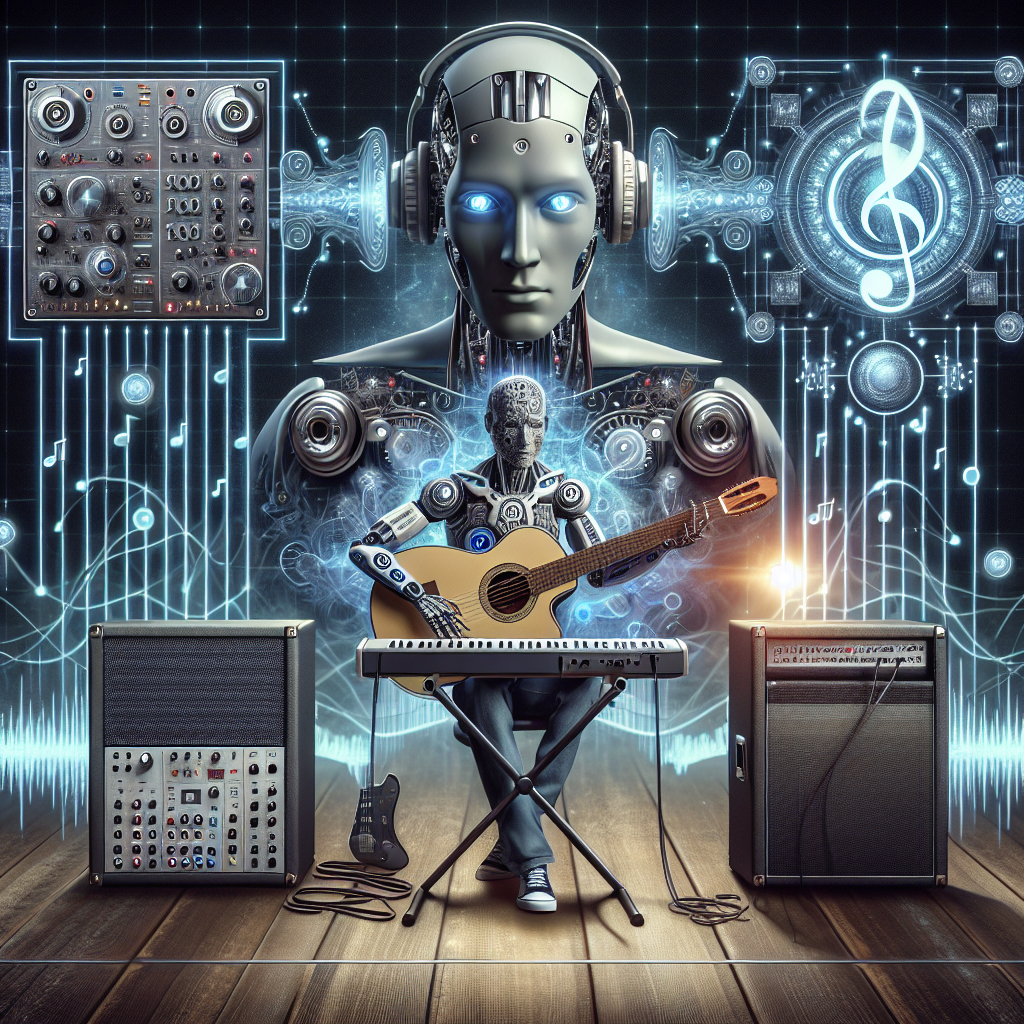
AI vs Human: Who Makes Better Music?
Music has been an integral part of human culture for centuries. From Mozart to Beyoncé, musicians have been creating beautiful melodies that touch our hearts and souls. However, with the advancements in technology, artificial intelligence (AI) is now capable of creating music as well. This begs the question: who makes better music, AI or humans?
AI Music Composition
Artificial intelligence has made significant progress in the field of music composition in recent years. AI algorithms are now capable of analyzing vast amounts of musical data and generating original compositions. These algorithms can mimic the style of famous composers, create new melodies, and even harmonize different musical elements.
One of the most famous examples of AI music composition is the work of AIVA (Artificial Intelligence Virtual Artist). AIVA is an AI composer that has been trained on a vast dataset of classical music. The algorithm can compose original pieces in the style of famous composers such as Mozart, Beethoven, and Bach. AIVA’s compositions have been praised by musicians and critics alike for their complexity and emotional depth.
Another example of AI music composition is Google’s Magenta project. Magenta is an open-source research project that explores the intersection of AI and music. The project has produced a number of AI-generated compositions that have been released to the public. These compositions range from classical to electronic music and showcase the diversity of AI music creation.
Human Music Composition
On the other hand, human musicians have been creating music for thousands of years. From tribal chants to symphonies, humans have a deep understanding of music theory and composition. Human musicians bring emotion, creativity, and personal experiences to their music, which can be difficult for AI to replicate.
Human musicians also have the ability to improvise and collaborate with other musicians in real-time. This spontaneity and connection with other musicians can lead to unique and powerful musical moments that are hard to replicate with AI.
Furthermore, human musicians often draw inspiration from their surroundings, emotions, and experiences. This personal connection to their music can create a deeper and more authentic musical experience for listeners.
AI vs Human: The Debate
The debate between AI and human music composition is ongoing and complex. Some argue that AI music composition is the future of music, as it can analyze vast amounts of data and create compositions at a rapid pace. AI algorithms can also generate music in a wide range of styles and genres, making them versatile tools for musicians and composers.
However, others argue that human musicians have a unique ability to create music that is emotional, authentic, and deeply personal. Human musicians bring a level of creativity, improvisation, and connection to their music that AI algorithms cannot replicate. Additionally, human musicians have a deep understanding of music theory and composition that can lead to more complex and nuanced compositions.
Ultimately, the debate between AI and human music composition comes down to personal preference. Some listeners may prefer the emotional depth and authenticity of human music, while others may appreciate the versatility and speed of AI-generated compositions.
FAQs
Q: Can AI compose music that is as emotional as human music?
A: While AI algorithms can analyze emotional elements in music, such as melody and harmony, they may struggle to create music that is as emotionally resonant as human compositions. Human musicians bring personal experiences, emotions, and creativity to their music, which can be difficult for AI to replicate.
Q: Are there any famous musicians who use AI in their compositions?
A: Some musicians have experimented with AI in their compositions, such as Taryn Southern and Holly Herndon. These musicians have used AI algorithms to generate melodies, harmonies, and rhythms in their music. However, the use of AI in music composition is still relatively new and evolving.
Q: Will AI replace human musicians in the future?
A: While AI algorithms have made significant progress in music composition, it is unlikely that they will replace human musicians entirely. Human musicians bring a level of creativity, emotion, and personal connection to their music that AI algorithms cannot replicate. Additionally, the spontaneity and collaboration of human musicians are unique aspects of music creation that are difficult for AI to replicate.
In conclusion, the debate between AI and human music composition is ongoing and complex. While AI algorithms have made significant progress in music creation, human musicians bring a level of emotion, creativity, and personal connection to their music that is difficult for AI to replicate. Ultimately, the future of music may lie in a combination of AI and human creativity, leading to new and exciting musical possibilities.