
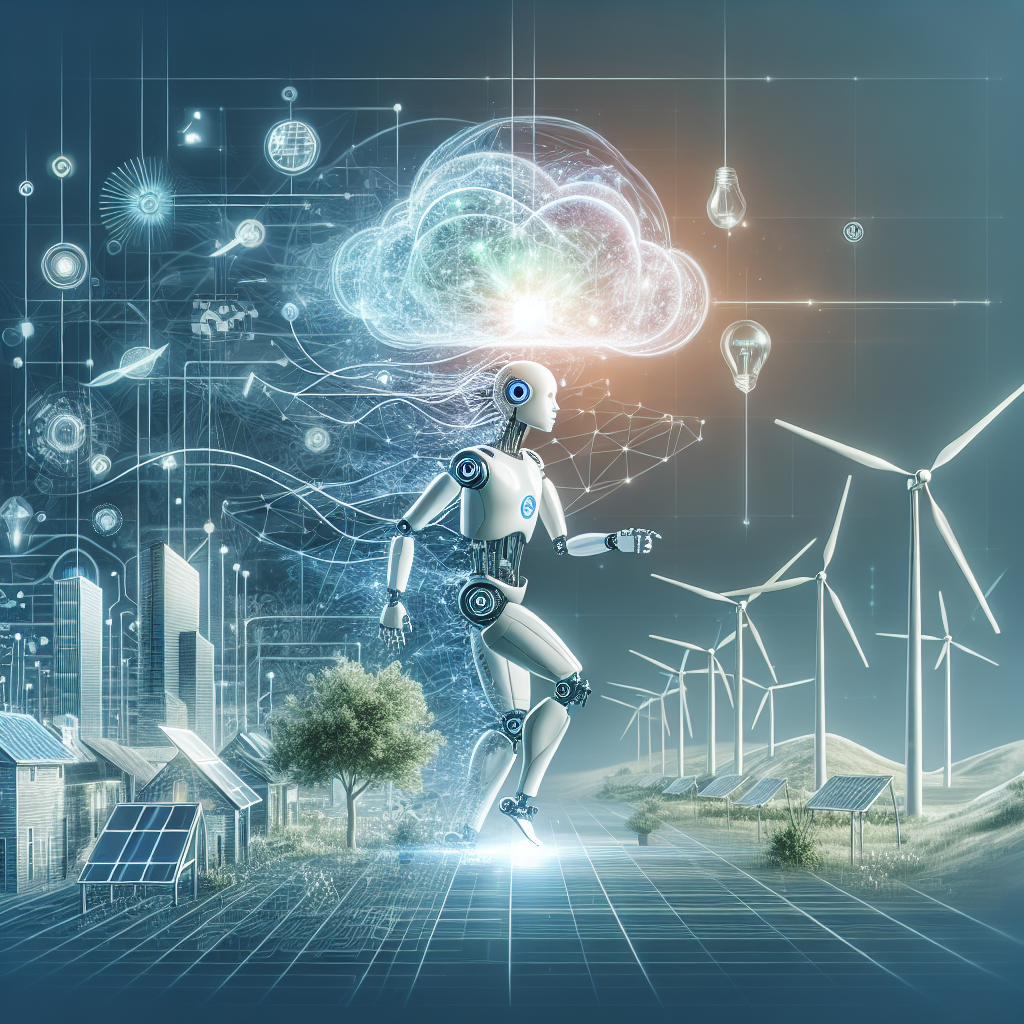
AI-driven Cloud Computing: A Path to Sustainable Infrastructure
In recent years, the convergence of artificial intelligence (AI) and cloud computing has revolutionized the way businesses operate and manage their data. This powerful combination has the potential to drive innovation, improve efficiency, and create more sustainable infrastructure solutions. AI-driven cloud computing is reshaping the future of technology by enabling organizations to harness the power of machine learning and data analytics to optimize their operations and reduce their environmental impact.
What is AI-driven Cloud Computing?
AI-driven cloud computing refers to the use of artificial intelligence technologies, such as machine learning and data analytics, in conjunction with cloud computing services to optimize the performance of applications and infrastructure. The integration of AI and cloud computing enables organizations to automate and streamline processes, analyze vast amounts of data in real-time, and make more informed decisions.
Cloud computing is a model for delivering computing services over the internet, allowing businesses to access scalable and flexible resources on-demand. By leveraging cloud services, organizations can reduce the costs associated with managing and maintaining physical infrastructure, as well as improve their agility and scalability.
Artificial intelligence, on the other hand, refers to the ability of machines to perform tasks that typically require human intelligence, such as recognizing patterns in data, making predictions, and learning from experience. AI technologies, such as machine learning algorithms, neural networks, and natural language processing, are increasingly being used to automate and optimize various processes across industries.
The integration of AI and cloud computing offers several benefits, including:
1. Improved Efficiency: AI-driven cloud computing enables organizations to automate repetitive tasks, optimize resource allocation, and improve the performance of applications and infrastructure. By leveraging AI technologies, businesses can achieve greater efficiency and productivity in their operations.
2. Real-time Insights: The combination of AI and cloud computing allows organizations to analyze vast amounts of data in real-time, enabling them to make more informed decisions and respond quickly to changing market conditions. By harnessing the power of machine learning and data analytics, businesses can gain valuable insights into their operations and customers.
3. Sustainable Infrastructure: AI-driven cloud computing can help organizations reduce their environmental impact by optimizing resource usage, improving energy efficiency, and minimizing waste. By leveraging AI technologies to optimize their operations, businesses can achieve greater sustainability and reduce their carbon footprint.
4. Enhanced Security: AI-driven cloud computing enables organizations to enhance the security of their data and infrastructure by detecting and responding to potential threats in real-time. By leveraging AI technologies, businesses can improve their cybersecurity posture and protect their sensitive information from cyber attacks.
5. Scalability and Flexibility: AI-driven cloud computing offers organizations the flexibility to scale their operations up or down based on their changing needs. By leveraging cloud services, businesses can access scalable resources on-demand and adapt to fluctuations in demand without overprovisioning or underutilizing their infrastructure.
Overall, AI-driven cloud computing represents a powerful combination of technologies that can drive innovation, improve efficiency, and create more sustainable infrastructure solutions for businesses across industries.
FAQs:
Q: What are some examples of AI-driven cloud computing applications?
A: Some examples of AI-driven cloud computing applications include predictive analytics, natural language processing, image recognition, and autonomous systems. These applications leverage AI technologies, such as machine learning algorithms and neural networks, to automate processes, optimize operations, and improve decision-making.
Q: How can AI-driven cloud computing help businesses reduce costs?
A: AI-driven cloud computing can help businesses reduce costs by optimizing resource allocation, automating repetitive tasks, and improving operational efficiency. By leveraging AI technologies to analyze data and optimize processes, organizations can achieve greater cost savings and improve their bottom line.
Q: What are the security implications of AI-driven cloud computing?
A: While AI-driven cloud computing offers organizations the opportunity to enhance their security posture, it also presents new challenges and risks. Businesses must be vigilant in monitoring and protecting their data and infrastructure from potential threats, such as cyber attacks and data breaches. By implementing robust security measures and leveraging AI technologies, organizations can improve their cybersecurity defenses and protect their sensitive information.
Q: How can businesses leverage AI-driven cloud computing to improve sustainability?
A: Businesses can leverage AI-driven cloud computing to improve sustainability by optimizing resource usage, reducing energy consumption, and minimizing waste. By analyzing data and optimizing processes, organizations can achieve greater efficiency and reduce their environmental impact. Additionally, AI technologies can help businesses identify opportunities to enhance sustainability and implement initiatives to promote environmental stewardship.
In conclusion, AI-driven cloud computing is a powerful combination of technologies that can drive innovation, improve efficiency, and create more sustainable infrastructure solutions for businesses. By leveraging AI technologies in conjunction with cloud computing services, organizations can automate processes, optimize operations, and make more informed decisions. As the adoption of AI-driven cloud computing continues to grow, businesses can expect to see significant benefits in terms of efficiency, sustainability, and security.