
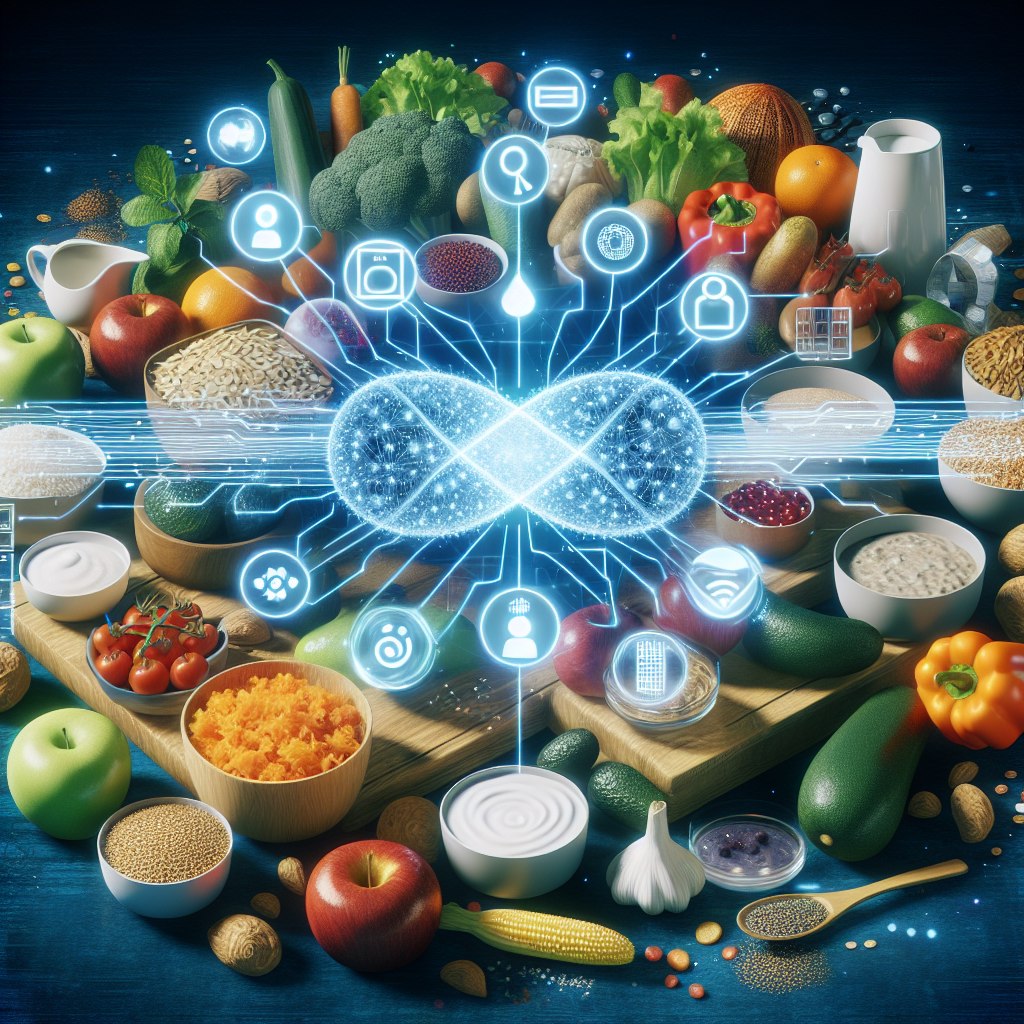
Artificial intelligence (AI) is transforming the way we produce, distribute, and consume food. From precision farming to personalized nutrition, AI is revolutionizing the food industry and democratizing access to nutrition. With the world’s population expected to reach 10 billion by 2050, the demand for food is rapidly increasing. AI has the potential to address key challenges in food production, such as increasing yields, reducing waste, and ensuring food security for all.
One of the most significant applications of AI in the food industry is precision agriculture. By using sensors, drones, and machine learning algorithms, farmers can monitor and optimize their crops in real-time. This allows for more efficient use of resources, such as water and fertilizer, and can increase crop yields while reducing environmental impact. AI can also help farmers predict and prevent crop diseases, optimize planting schedules, and automate harvesting processes. This not only benefits farmers by increasing productivity and profitability but also ensures a more sustainable and secure food supply for consumers.
Another area where AI is making a big impact is in food distribution and logistics. AI-powered algorithms can optimize supply chains, reduce food waste, and improve delivery routes. For example, companies like Amazon and Walmart are using AI to predict consumer demand, optimize inventory levels, and reduce shipping times. This not only benefits retailers and suppliers but also ensures that fresh and nutritious food reaches consumers in a timely manner.
AI is also revolutionizing the way we consume food. Personalized nutrition, powered by AI and data analytics, is gaining popularity as consumers seek customized diet plans based on their individual health needs and preferences. By analyzing genetic data, lifestyle factors, and dietary habits, AI can recommend personalized meal plans, recipes, and food products tailored to each individual’s unique nutritional requirements. This not only promotes healthier eating habits but also helps prevent chronic diseases and improve overall well-being.
Furthermore, AI is enabling the development of alternative food sources, such as plant-based proteins, lab-grown meats, and insect-based foods. By leveraging AI algorithms and biotechnology, food scientists can create sustainable and nutritious food products that are environmentally friendly and ethically produced. This is crucial in addressing global challenges such as climate change, resource scarcity, and animal welfare concerns.
Overall, AI is democratizing access to nutrition by making food production more efficient, sustainable, and personalized. By harnessing the power of AI, we can ensure that everyone has access to safe, affordable, and nutritious food, regardless of their location or socioeconomic status. However, there are still some challenges and concerns that need to be addressed as AI continues to reshape the future of food.
FAQs:
Q: How is AI being used in precision agriculture?
A: AI is being used in precision agriculture to monitor crops, optimize resource use, predict and prevent crop diseases, and automate farming processes. By using sensors, drones, and machine learning algorithms, farmers can improve crop yields, reduce environmental impact, and ensure a more sustainable food supply.
Q: How can AI help reduce food waste?
A: AI can help reduce food waste by optimizing supply chains, predicting consumer demand, and improving inventory management. By using AI algorithms, retailers and suppliers can minimize overstocking, reduce spoilage, and ensure that fresh food reaches consumers in a timely manner.
Q: What is personalized nutrition?
A: Personalized nutrition is the use of AI and data analytics to create customized diet plans based on individual health needs and preferences. By analyzing genetic data, lifestyle factors, and dietary habits, AI can recommend personalized meal plans, recipes, and food products tailored to each individual’s unique nutritional requirements.
Q: How can AI help address global challenges in food production?
A: AI can help address global challenges in food production by increasing yields, reducing waste, improving sustainability, and promoting healthier eating habits. By leveraging AI algorithms and technologies, we can ensure that everyone has access to safe, affordable, and nutritious food, regardless of their location or socioeconomic status.