
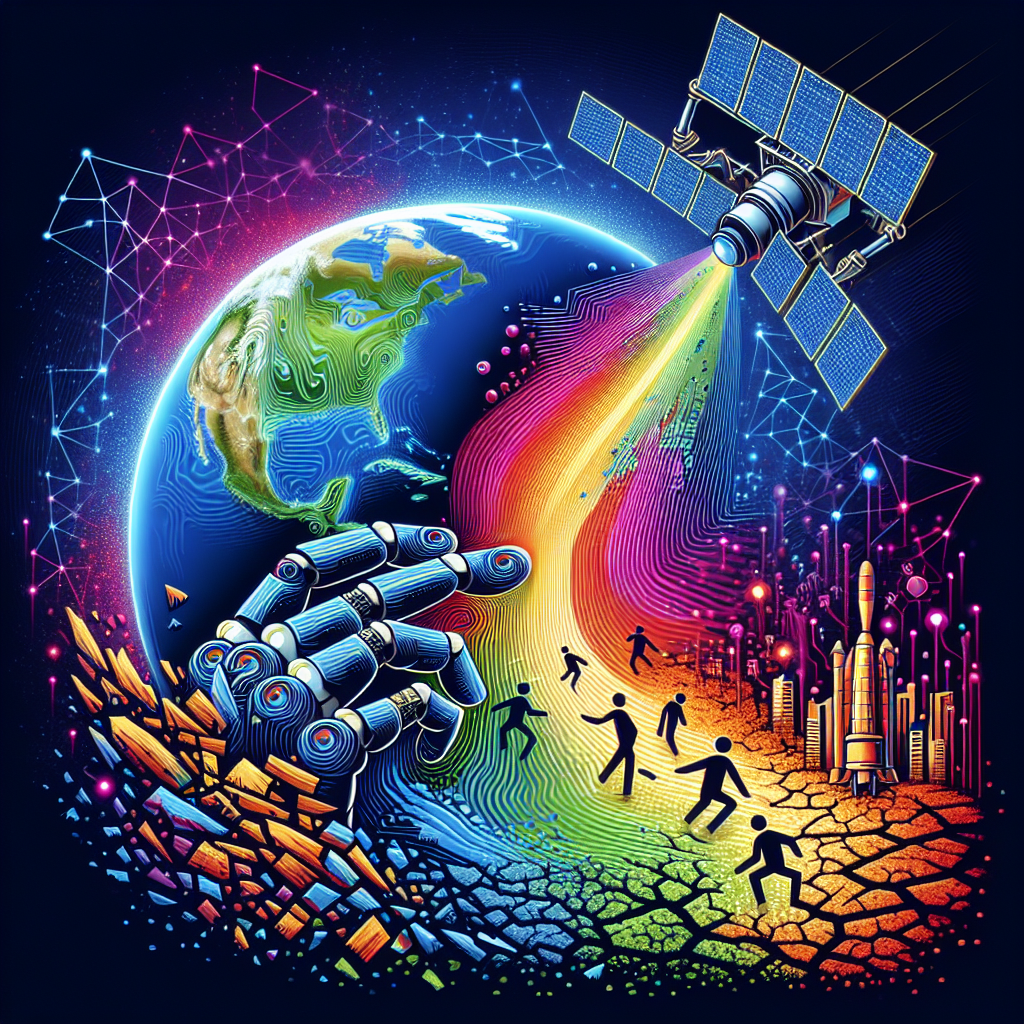
Artificial Intelligence (AI) has been revolutionizing various industries, including disaster response. With the increasing frequency and intensity of natural disasters such as hurricanes, earthquakes, and wildfires, the need for efficient and effective disaster response solutions has never been greater. AI technologies have the potential to transform the way we prepare for, respond to, and recover from disasters.
AI development for disaster response encompasses a wide range of applications, from predictive modeling and early warning systems to real-time monitoring and response coordination. By leveraging AI algorithms and data analytics, emergency responders can make faster and more informed decisions, ultimately saving lives and reducing the impact of disasters on communities.
Predictive modeling is one of the key areas where AI is making a significant impact in disaster response. By analyzing historical data and real-time information, AI algorithms can predict the likelihood and severity of disasters, allowing authorities to take proactive measures to mitigate their impact. For example, AI-powered predictive modeling can help identify high-risk areas prone to flooding or landslides, enabling authorities to evacuate residents and allocate resources more effectively.
Early warning systems are another crucial application of AI in disaster response. By monitoring various environmental factors such as temperature, humidity, and wind speed, AI algorithms can detect potential disasters before they occur and issue timely warnings to at-risk populations. For instance, AI-powered early warning systems can alert residents about an incoming hurricane or tsunami, giving them enough time to evacuate to safety.
Real-time monitoring is essential for effective disaster response, as it allows authorities to assess the situation on the ground and coordinate their response efforts accordingly. AI technologies such as drones, satellites, and sensors can provide real-time data on the extent of damage, the location of survivors, and the availability of resources. This information can help emergency responders prioritize their actions and deploy resources where they are needed most.
Response coordination is another critical aspect of disaster response that can benefit from AI development. By analyzing vast amounts of data from multiple sources, AI algorithms can optimize the allocation of resources, such as food, water, and medical supplies, to affected areas. AI-powered coordination systems can also help emergency responders communicate and collaborate more effectively, ensuring a seamless response to disasters.
In addition to predictive modeling, early warning systems, real-time monitoring, and response coordination, AI is also being used in disaster recovery efforts. By analyzing data on the impact of disasters on infrastructure, economy, and social services, AI algorithms can help authorities plan and prioritize reconstruction efforts. For example, AI-powered analytics can identify the most critical infrastructure projects that need to be completed first, such as restoring power and water supplies to affected areas.
Overall, AI development for disaster response has the potential to revolutionize the way we prepare for and respond to natural disasters. By leveraging AI technologies, emergency responders can make faster and more informed decisions, ultimately saving lives and reducing the impact of disasters on communities. However, there are still some challenges and limitations to overcome in the field of AI development for disaster response.
One of the main challenges of AI development for disaster response is the availability and quality of data. AI algorithms rely on vast amounts of data to make accurate predictions and decisions, but in many cases, the data may be incomplete, outdated, or unreliable. Ensuring the availability of high-quality data is crucial for the effectiveness of AI technologies in disaster response.
Another challenge is the integration of AI technologies into existing disaster response systems. Many emergency responders may not be familiar with AI algorithms and data analytics, making it difficult for them to adopt and implement these technologies in their operations. Training and capacity-building programs are essential to ensure that emergency responders have the necessary skills and knowledge to effectively use AI technologies in disaster response.
Ethical considerations are also important when developing AI technologies for disaster response. For example, there may be concerns about the privacy and security of data collected by AI systems, as well as the potential for bias in AI algorithms. Ensuring transparency, accountability, and fairness in the development and deployment of AI technologies is essential to build trust and confidence in these systems.
Despite these challenges, the potential benefits of AI development for disaster response are immense. By harnessing the power of AI algorithms and data analytics, emergency responders can improve their ability to predict, detect, and respond to disasters, ultimately saving lives and reducing the impact on communities. As AI technologies continue to advance, we can expect to see even more innovative solutions for disaster response in the future.
FAQs:
What is AI development for disaster response?
AI development for disaster response involves the use of artificial intelligence technologies such as predictive modeling, early warning systems, real-time monitoring, and response coordination to improve the effectiveness and efficiency of emergency response efforts during natural disasters.
How can AI technologies help in disaster response?
AI technologies can help in disaster response by analyzing data from various sources to predict the likelihood and severity of disasters, issue early warnings to at-risk populations, monitor the situation on the ground in real-time, coordinate response efforts, and assist in recovery and reconstruction efforts.
What are the challenges of AI development for disaster response?
Some of the challenges of AI development for disaster response include the availability and quality of data, integration with existing response systems, ethical considerations such as privacy and bias, and the need for training and capacity-building programs for emergency responders to use AI technologies effectively.
What are the benefits of AI development for disaster response?
The benefits of AI development for disaster response include faster and more informed decision-making, improved coordination of response efforts, better allocation of resources, enhanced predictive capabilities, and ultimately, saving lives and reducing the impact of disasters on communities.