
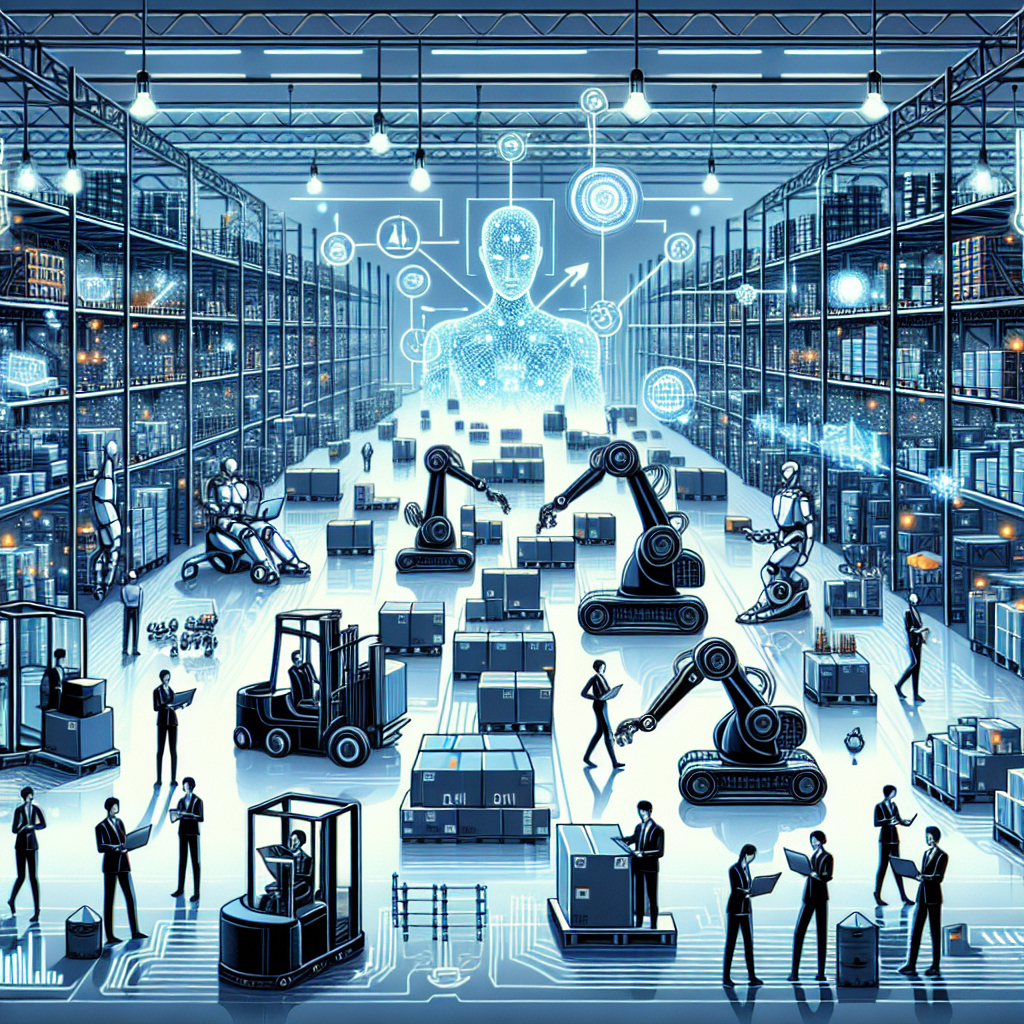
AI Integration is Revolutionizing Supply Chain Management
Supply chain management has always been a critical aspect of businesses, as it involves the coordination of all activities involved in the production and distribution of goods and services. In recent years, the integration of artificial intelligence (AI) technology into supply chain management processes has revolutionized the way companies operate and manage their supply chains. AI has the potential to optimize processes, improve efficiency, reduce costs, and enhance the overall performance of supply chains.
AI technology has the capability to analyze large amounts of data, identify patterns, and make predictions to help businesses make informed decisions. By integrating AI into supply chain management, companies can automate routine tasks, improve forecasting accuracy, optimize inventory levels, and enhance customer service. This article will explore how AI integration is revolutionizing supply chain management and the benefits it brings to businesses.
Benefits of AI Integration in Supply Chain Management
1. Improved Forecasting Accuracy: One of the key benefits of AI integration in supply chain management is the ability to improve forecasting accuracy. AI algorithms can analyze historical data, market trends, and other relevant factors to predict demand more accurately. This can help businesses optimize inventory levels, reduce stockouts, and minimize excess inventory.
2. Enhanced Efficiency: AI technology can automate routine tasks such as order processing, inventory management, and transportation planning. By automating these processes, businesses can reduce manual errors, improve efficiency, and streamline operations. This can also help businesses save time and resources, allowing them to focus on more strategic aspects of supply chain management.
3. Cost Reduction: AI integration can help businesses reduce costs by optimizing processes, improving efficiency, and minimizing waste. For example, AI algorithms can optimize transportation routes to reduce fuel consumption, lower shipping costs, and improve delivery times. This can result in significant cost savings for businesses and help them remain competitive in the market.
4. Real-time Visibility: AI technology can provide businesses with real-time visibility into their supply chains, allowing them to track inventory levels, monitor shipments, and identify potential disruptions. This visibility can help businesses make informed decisions, respond quickly to changes, and mitigate risks. By having real-time visibility, businesses can improve customer service, reduce lead times, and enhance overall supply chain performance.
5. Enhanced Customer Service: AI integration can help businesses improve customer service by providing accurate and timely information to customers. For example, AI-powered chatbots can answer customer inquiries, provide order status updates, and resolve issues in real-time. This can enhance the overall customer experience, increase customer satisfaction, and build brand loyalty.
6. Supply Chain Optimization: AI technology can optimize supply chain processes by analyzing data, identifying inefficiencies, and recommending improvements. For example, AI algorithms can optimize inventory levels, streamline production schedules, and improve supplier relationships. This can help businesses achieve operational excellence, reduce costs, and increase profitability.
FAQs
1. How does AI improve forecasting accuracy in supply chain management?
AI technology can analyze historical data, market trends, and other relevant factors to predict demand more accurately. By using AI algorithms, businesses can improve forecasting accuracy, optimize inventory levels, reduce stockouts, and minimize excess inventory.
2. How can AI technology enhance efficiency in supply chain management?
AI technology can automate routine tasks such as order processing, inventory management, and transportation planning. By automating these processes, businesses can reduce manual errors, improve efficiency, and streamline operations. This can help businesses save time and resources, allowing them to focus on more strategic aspects of supply chain management.
3. How does AI integration help reduce costs in supply chain management?
AI integration can help businesses reduce costs by optimizing processes, improving efficiency, and minimizing waste. For example, AI algorithms can optimize transportation routes to reduce fuel consumption, lower shipping costs, and improve delivery times. This can result in significant cost savings for businesses and help them remain competitive in the market.
4. How does AI technology provide real-time visibility in supply chain management?
AI technology can provide businesses with real-time visibility into their supply chains, allowing them to track inventory levels, monitor shipments, and identify potential disruptions. This visibility can help businesses make informed decisions, respond quickly to changes, and mitigate risks. By having real-time visibility, businesses can improve customer service, reduce lead times, and enhance overall supply chain performance.
5. How can AI integration enhance customer service in supply chain management?
AI integration can help businesses improve customer service by providing accurate and timely information to customers. For example, AI-powered chatbots can answer customer inquiries, provide order status updates, and resolve issues in real-time. This can enhance the overall customer experience, increase customer satisfaction, and build brand loyalty.
In conclusion, AI integration is revolutionizing supply chain management by improving forecasting accuracy, enhancing efficiency, reducing costs, providing real-time visibility, enhancing customer service, and optimizing supply chain processes. Businesses that leverage AI technology in their supply chain management processes can gain a competitive edge, improve performance, and achieve sustainable growth in the market. As AI technology continues to evolve, businesses must embrace this transformation to stay ahead of the competition and succeed in today’s fast-paced business environment.