
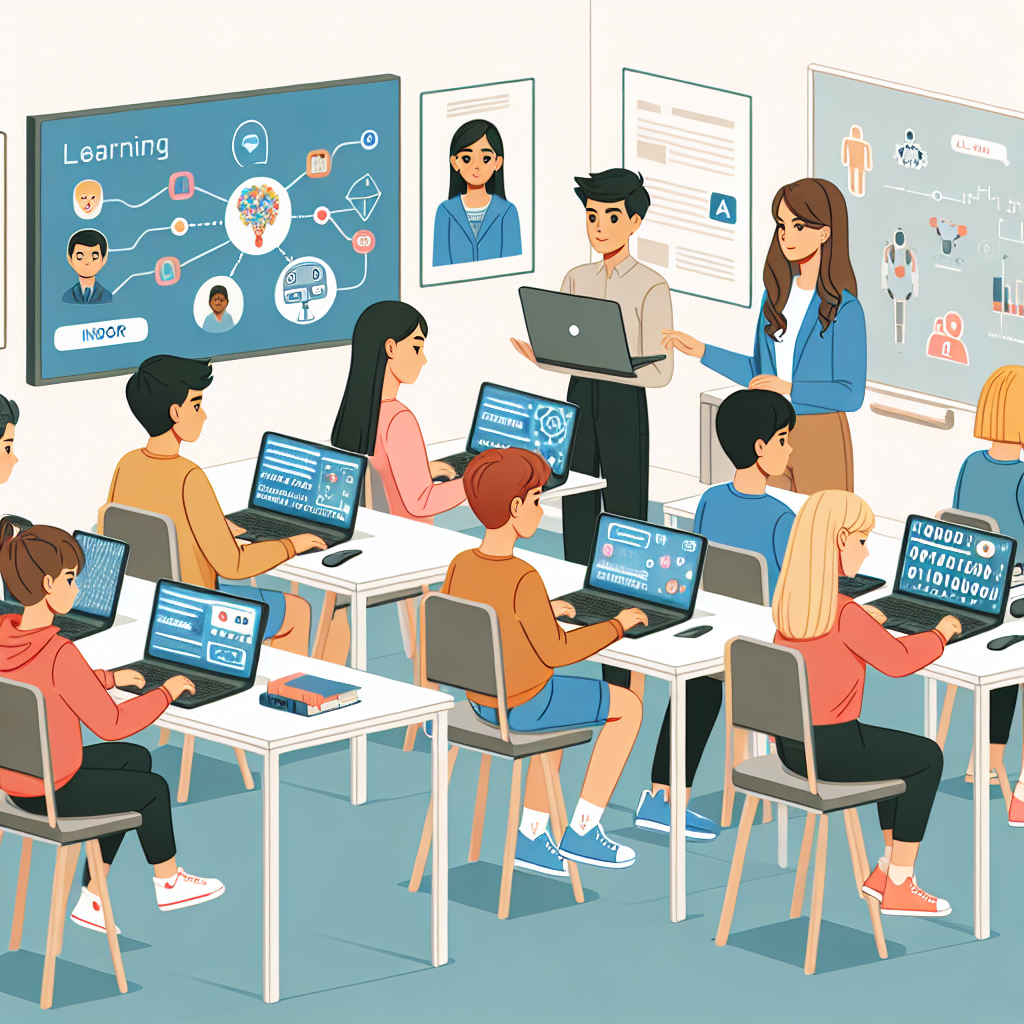
Artificial Intelligence (AI) has become an increasingly prevalent tool in education, with the potential to revolutionize the way students learn and interact with educational content. One of the key areas where AI is making a significant impact is in promoting student agency, which refers to the ability of students to take ownership of their learning and make informed decisions about their educational journey.
AI technology can empower students by providing personalized learning experiences tailored to their individual needs and preferences. By analyzing data on student performance, AI algorithms can identify areas where students may be struggling and provide targeted support and resources to help them succeed. This level of individualized attention can help students feel more engaged and motivated to learn, as they see their efforts directly impacting their progress.
Furthermore, AI can also facilitate greater student autonomy by offering tools and resources that enable students to explore topics of interest on their own terms. For example, AI-powered tutoring programs can provide students with real-time feedback and guidance as they work through problems, allowing them to take control of their learning process and make decisions about how to approach difficult concepts.
In addition to personalized learning experiences, AI can also enhance student agency by promoting collaboration and communication among students. For example, AI-powered platforms can facilitate group projects and discussions by matching students with peers who have similar interests and abilities, allowing them to work together towards common goals. This collaborative approach not only fosters a sense of community among students but also teaches valuable skills such as teamwork and communication.
Despite the many benefits of AI in promoting student agency, there are also concerns about the potential drawbacks of relying too heavily on technology in education. Some critics argue that AI may limit students’ creativity and critical thinking skills by providing them with answers and solutions too readily, without giving them the opportunity to think for themselves. Additionally, there are concerns about the ethical implications of using AI to collect and analyze data on students, as this raises questions about privacy and security.
Overall, the integration of AI in education has the potential to greatly enhance student agency by providing personalized learning experiences, promoting collaboration, and empowering students to take control of their educational journey. By leveraging the capabilities of AI technology, educators can create a more engaging and dynamic learning environment that meets the diverse needs of today’s students.
—
FAQs:
Q: How can AI promote student agency in education?
A: AI can promote student agency by providing personalized learning experiences, facilitating collaboration among students, and empowering students to take control of their educational journey.
Q: What are some concerns about using AI in education?
A: Some concerns about using AI in education include the potential to limit students’ creativity and critical thinking skills, as well as ethical concerns about data privacy and security.
Q: How can educators leverage AI technology to enhance student agency?
A: Educators can leverage AI technology by using personalized learning platforms, collaborative tools, and interactive resources to promote student agency in education.