
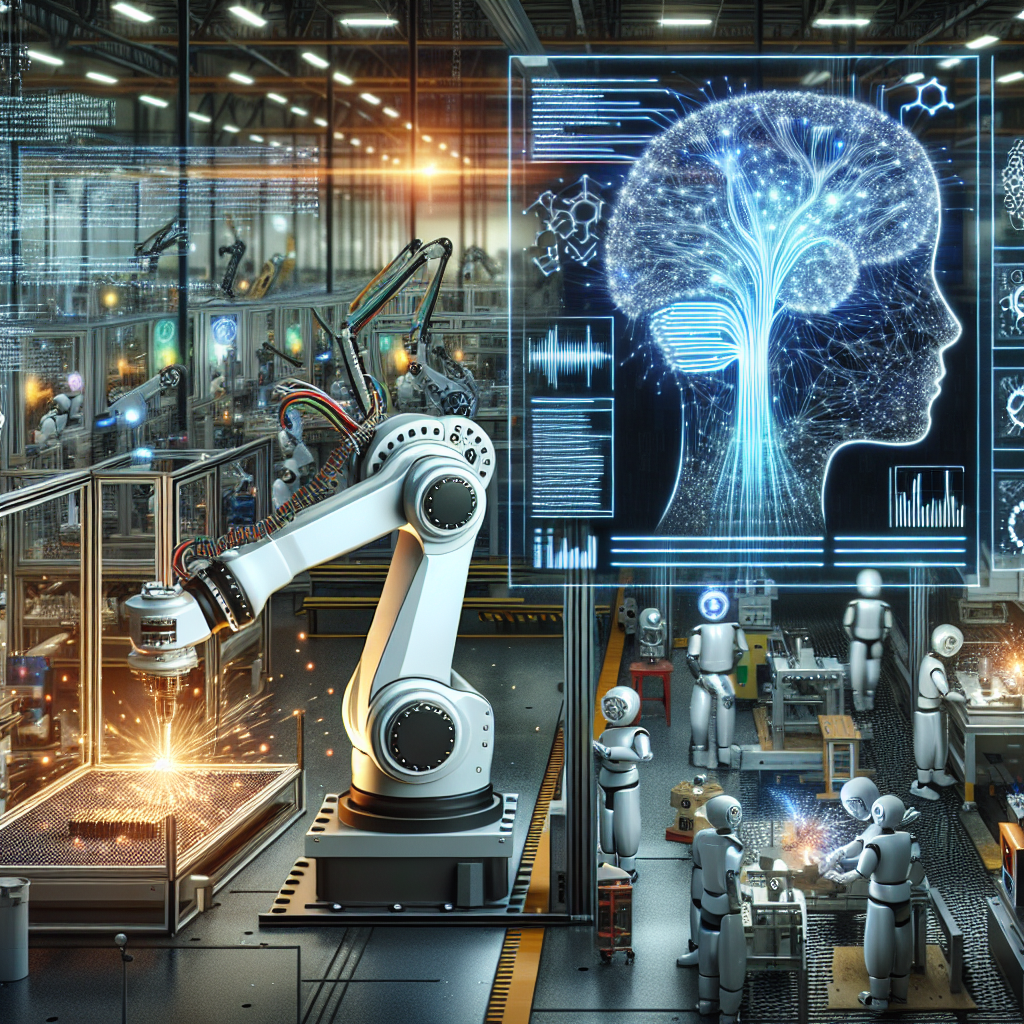
In today’s rapidly advancing manufacturing industry, precision machining plays a crucial role in creating high-quality products. From aerospace components to medical devices, precision machining requires strict quality control measures to ensure that the final product meets the required specifications. Traditionally, quality control in precision machining has been a labor-intensive and time-consuming process, relying on manual inspection and measurement techniques. However, with the advent of artificial intelligence (AI) technology, manufacturers can now leverage AI-driven quality control systems to improve the accuracy, efficiency, and reliability of their machining processes.
AI-driven quality control systems use machine learning algorithms to analyze large volumes of data collected from sensors and cameras installed on machining equipment. By continuously monitoring and analyzing this data in real-time, AI can detect anomalies, deviations, and defects in the machining process that may impact the quality of the final product. This proactive approach to quality control enables manufacturers to identify and address issues early on, minimizing scrap rates and rework costs.
One of the key benefits of AI-driven quality control for precision machining is its ability to enhance the accuracy and consistency of inspection tasks. Traditional manual inspection methods are prone to human error and subjectivity, leading to inconsistent results and potential quality issues. By automating the inspection process with AI, manufacturers can ensure that every part is inspected with the same level of precision and attention to detail, resulting in higher quality products and increased customer satisfaction.
Furthermore, AI-driven quality control systems can also improve the efficiency and productivity of precision machining operations. By continuously monitoring and analyzing data in real-time, AI can identify patterns and trends that can help optimize machining processes and reduce cycle times. This proactive approach to process optimization can lead to increased throughput, reduced lead times, and lower production costs, ultimately improving the overall competitiveness of manufacturing operations.
In addition to improving quality and efficiency, AI-driven quality control systems can also enhance the traceability and documentation of machining processes. By automatically recording and storing data from inspections and measurements, manufacturers can create a digital trail of each part’s production history, from raw material to finished product. This level of traceability is essential for meeting regulatory requirements, tracking quality metrics, and identifying opportunities for continuous improvement.
Overall, AI-driven quality control for precision machining offers manufacturers a powerful tool to enhance the quality, efficiency, and traceability of their manufacturing processes. By leveraging the capabilities of AI technology, manufacturers can achieve higher levels of precision, consistency, and productivity, ultimately leading to increased customer satisfaction and a competitive edge in the marketplace.
FAQs:
Q: How does AI-driven quality control improve the accuracy of precision machining processes?
A: AI-driven quality control systems use machine learning algorithms to analyze data collected from sensors and cameras on machining equipment. By continuously monitoring and analyzing this data in real-time, AI can detect anomalies, deviations, and defects in the machining process, leading to improved accuracy and consistency in inspection tasks.
Q: Can AI-driven quality control systems help reduce scrap rates and rework costs in precision machining?
A: Yes, AI-driven quality control systems can help manufacturers identify and address issues early on in the machining process, minimizing scrap rates and rework costs. By proactively detecting anomalies and defects, manufacturers can take corrective actions to ensure that every part meets the required specifications.
Q: How does AI technology optimize machining processes and reduce cycle times?
A: AI-driven quality control systems can analyze data in real-time to identify patterns and trends that can help optimize machining processes. By proactively optimizing tool paths, feed rates, and other parameters, AI can reduce cycle times, increase throughput, and improve overall productivity in precision machining operations.
Q: How does AI technology enhance traceability and documentation in precision machining?
A: AI-driven quality control systems automatically record and store data from inspections and measurements, creating a digital trail of each part’s production history. This level of traceability is essential for meeting regulatory requirements, tracking quality metrics, and identifying opportunities for continuous improvement in precision machining processes.