
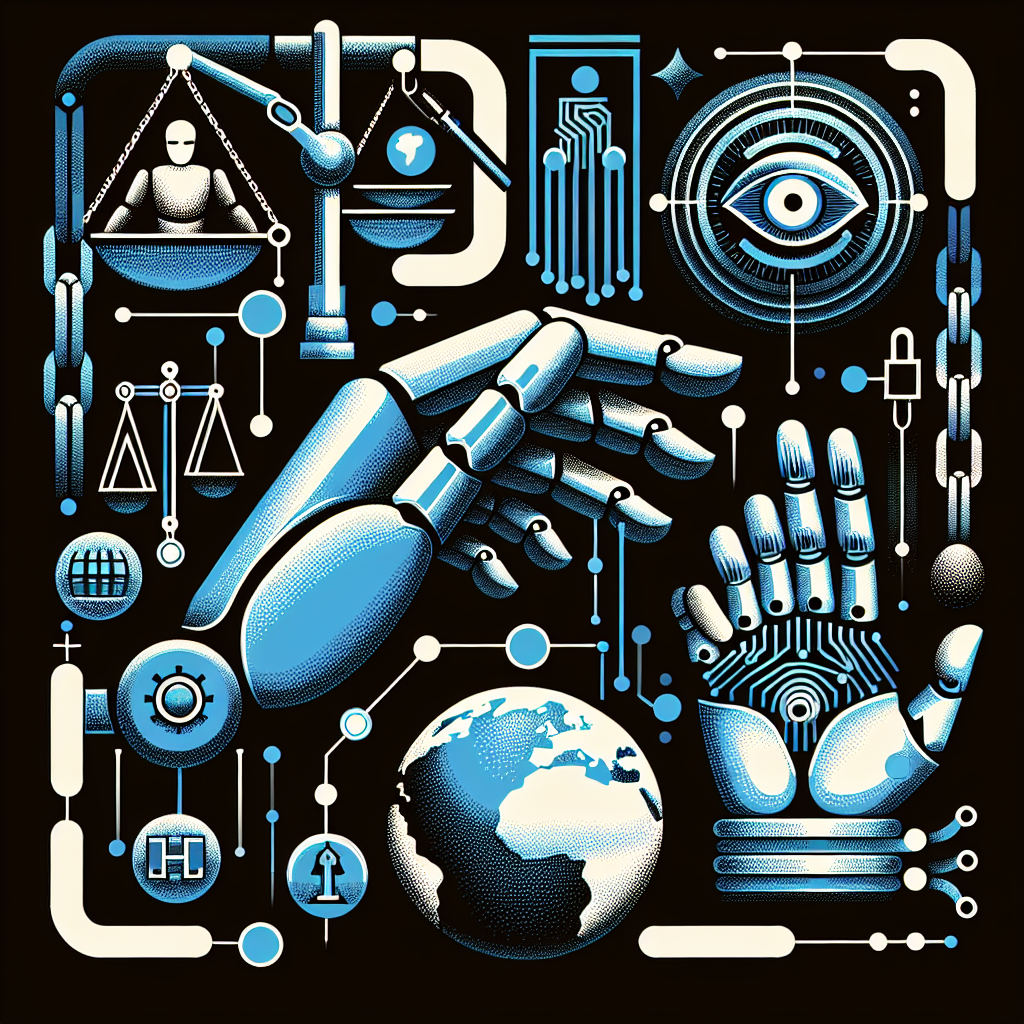
The Ethics of AI: Implications for Human Rights and Civil Liberties
Artificial intelligence (AI) has the potential to revolutionize the way we live, work, and interact with each other. From self-driving cars to personalized healthcare, AI technologies are transforming various industries and improving efficiency and convenience in many aspects of our lives. However, with this rapid advancement in AI comes a host of ethical considerations that must be addressed to ensure that these technologies are developed and used responsibly.
One of the key areas where the ethics of AI come into play is in relation to human rights and civil liberties. As AI systems become more integrated into our daily lives, questions arise about how these systems may impact our rights to privacy, freedom of expression, and non-discrimination. It is essential that we consider the ethical implications of AI in order to protect and uphold these fundamental rights.
Privacy Rights
One of the most pressing ethical concerns surrounding AI is the potential impact on privacy rights. AI technologies are capable of collecting and analyzing vast amounts of data about individuals, often without their knowledge or consent. This raises concerns about the potential for surveillance, profiling, and discrimination based on sensitive personal information.
For example, facial recognition technology has been widely criticized for its potential to infringe on individuals’ right to privacy. The use of facial recognition in public spaces, such as airports or shopping malls, raises concerns about mass surveillance and the tracking of individuals without their consent. This can have serious implications for civil liberties and the right to anonymity in public spaces.
To address these concerns, it is essential that AI developers and policymakers prioritize the protection of privacy rights in the design and implementation of AI systems. This may involve implementing robust data protection measures, such as encryption and anonymization, to ensure that individuals’ personal information is safeguarded. It may also require the development of clear guidelines and regulations governing the use of AI technologies to prevent misuse and abuse of personal data.
Freedom of Expression
Another key ethical consideration in the context of AI is the impact on freedom of expression. AI technologies have the potential to influence the information we receive and the content we are exposed to, raising questions about censorship, bias, and manipulation.
For example, social media platforms often use AI algorithms to curate content and personalize recommendations for users. While this can enhance the user experience, it also raises concerns about the potential for bias and manipulation in the information we are exposed to. AI systems may inadvertently promote certain viewpoints or suppress others, leading to a narrowing of the public discourse and a limitation of diverse perspectives.
To address these concerns, it is essential that AI developers and platform providers prioritize transparency and accountability in the design and implementation of AI systems. This may involve providing users with greater control over the algorithms that determine the content they see, as well as implementing mechanisms to detect and mitigate bias in AI systems. It may also require the development of clear guidelines and standards for ethical content moderation to ensure that freedom of expression is protected in the digital realm.
Non-Discrimination
AI technologies have the potential to perpetuate and exacerbate existing inequalities and discrimination in society. AI systems are trained on large datasets that may contain biases and prejudices, leading to discriminatory outcomes in decision-making processes.
For example, AI algorithms used in hiring processes have been shown to exhibit bias against certain demographic groups, such as women and minorities. This can perpetuate systemic inequalities in the workforce and limit opportunities for marginalized communities. Similarly, AI systems used in predictive policing have been criticized for targeting minority communities disproportionately, leading to concerns about racial profiling and discrimination.
To address these concerns, it is essential that AI developers and policymakers prioritize fairness and equity in the design and implementation of AI systems. This may involve implementing measures to detect and mitigate bias in AI algorithms, such as data auditing and algorithmic transparency. It may also require the development of clear guidelines and regulations to ensure that AI systems are used in a manner that upholds non-discrimination principles and promotes equal opportunities for all members of society.
FAQs
Q: What are some potential risks of AI in relation to human rights and civil liberties?
A: Some potential risks of AI include invasion of privacy, limitations on freedom of expression, and perpetuation of discrimination and inequality.
Q: How can we address the ethical implications of AI in relation to human rights?
A: We can address these implications by prioritizing the protection of privacy rights, promoting transparency and accountability in AI systems, and implementing measures to detect and mitigate bias and discrimination.
Q: What role do policymakers play in addressing the ethical implications of AI?
A: Policymakers play a crucial role in developing regulations and guidelines to ensure the responsible use of AI technologies and protect human rights and civil liberties.
Q: How can individuals advocate for ethical AI practices in their communities?
A: Individuals can advocate for ethical AI practices by raising awareness about the potential risks of AI, engaging with policymakers and industry stakeholders, and supporting initiatives that promote transparency and accountability in AI development and deployment.
In conclusion, the ethics of AI in relation to human rights and civil liberties are complex and multifaceted. It is essential that we consider these ethical implications in the design and implementation of AI systems to ensure that these technologies are developed and used responsibly. By prioritizing the protection of privacy rights, promoting transparency and accountability, and addressing bias and discrimination, we can harness the potential of AI to improve society while upholding fundamental rights and values.