
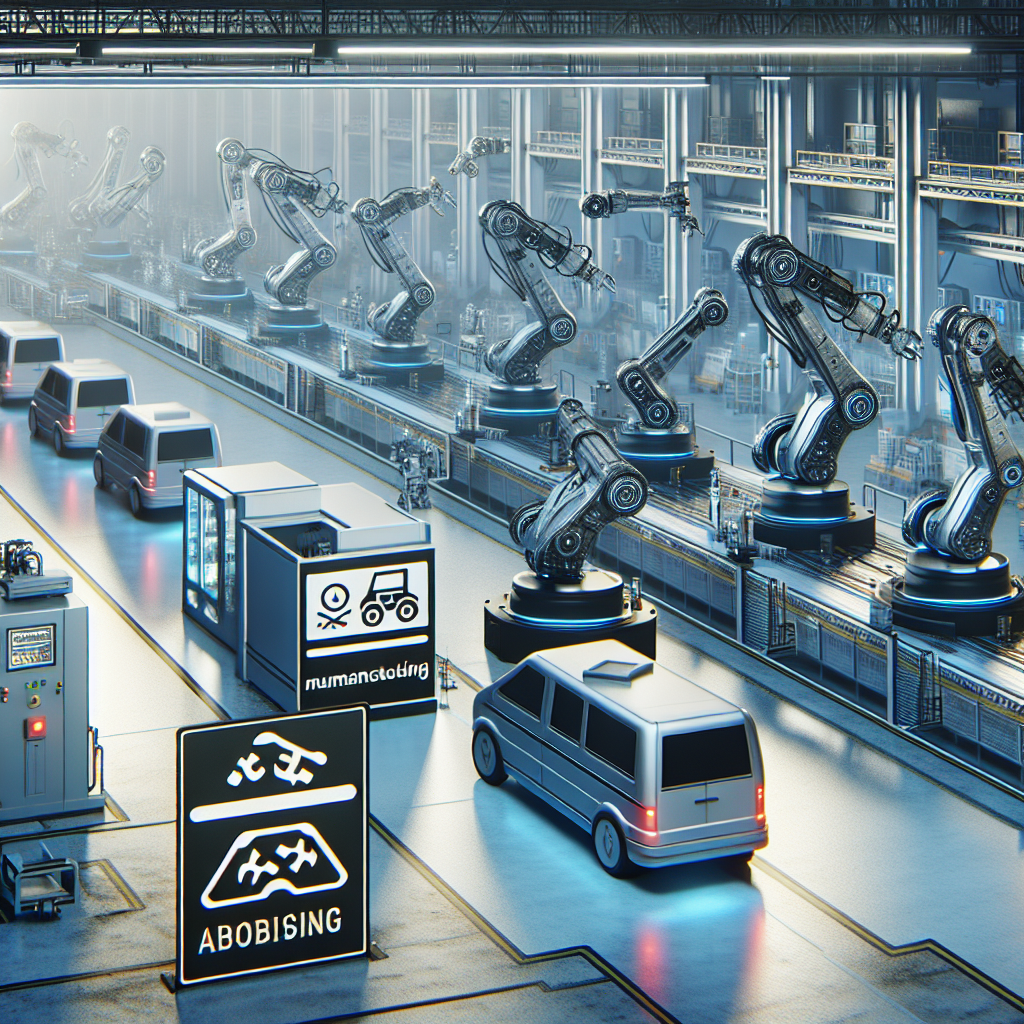
The Risks of AI in Autonomous Manufacturing Systems
Artificial Intelligence (AI) has revolutionized many industries, including manufacturing, by enabling autonomous systems to operate with speed and efficiency. AI-powered robots and machines can perform tasks that were once only possible for humans, such as assembly, quality control, and even decision-making. While the benefits of AI in manufacturing are undeniable, there are also risks associated with the use of AI in autonomous manufacturing systems.
One of the biggest risks of AI in autonomous manufacturing systems is the potential for job displacement. As AI-powered robots and machines become more advanced, they are able to perform tasks that were previously done by humans. This can lead to a decrease in the demand for human workers in the manufacturing industry, potentially leading to job loss and economic instability for those who are displaced.
Another risk of AI in autonomous manufacturing systems is the potential for errors and malfunctions. AI-powered systems rely on complex algorithms and data to make decisions and perform tasks, and if these algorithms are not properly designed or if the data is inaccurate, it can lead to errors in the manufacturing process. These errors can result in defective products, production delays, and even safety hazards for workers.
Additionally, there is a risk of cybersecurity threats in AI-powered autonomous manufacturing systems. As these systems become more connected to the internet and other networks, they become vulnerable to cyberattacks and hacking. If a malicious actor gains access to an AI-powered manufacturing system, they could potentially disrupt production, steal sensitive data, or even cause physical harm to workers.
Furthermore, there are ethical concerns surrounding the use of AI in autonomous manufacturing systems. AI-powered machines and robots do not have the ability to make moral judgments or consider the ethical implications of their actions. This can lead to situations where AI-powered systems prioritize efficiency and productivity over worker safety or environmental impact.
Despite these risks, the use of AI in autonomous manufacturing systems is likely to continue to grow as companies seek to increase efficiency and reduce costs. It is important for manufacturers to be aware of these risks and take steps to mitigate them, such as investing in cybersecurity measures, providing training for workers on how to interact with AI-powered systems safely, and implementing ethical guidelines for the use of AI in manufacturing.
FAQs:
Q: What are some examples of AI in autonomous manufacturing systems?
A: Some examples of AI in autonomous manufacturing systems include robots that can perform repetitive tasks such as assembly or welding, machine learning algorithms that can optimize production processes, and autonomous vehicles that can transport materials within a factory.
Q: How can manufacturers mitigate the risks of AI in autonomous manufacturing systems?
A: Manufacturers can mitigate the risks of AI in autonomous manufacturing systems by investing in cybersecurity measures, providing training for workers on how to interact with AI-powered systems safely, and implementing ethical guidelines for the use of AI in manufacturing.
Q: What are some of the ethical concerns surrounding the use of AI in autonomous manufacturing systems?
A: Some of the ethical concerns surrounding the use of AI in autonomous manufacturing systems include the potential for AI-powered systems to prioritize efficiency and productivity over worker safety or environmental impact, and the lack of moral judgment in AI-powered machines and robots.
In conclusion, while AI has the potential to revolutionize the manufacturing industry, there are risks associated with its use in autonomous manufacturing systems. Manufacturers must be aware of these risks and take steps to mitigate them in order to ensure the safe and effective use of AI in manufacturing.