
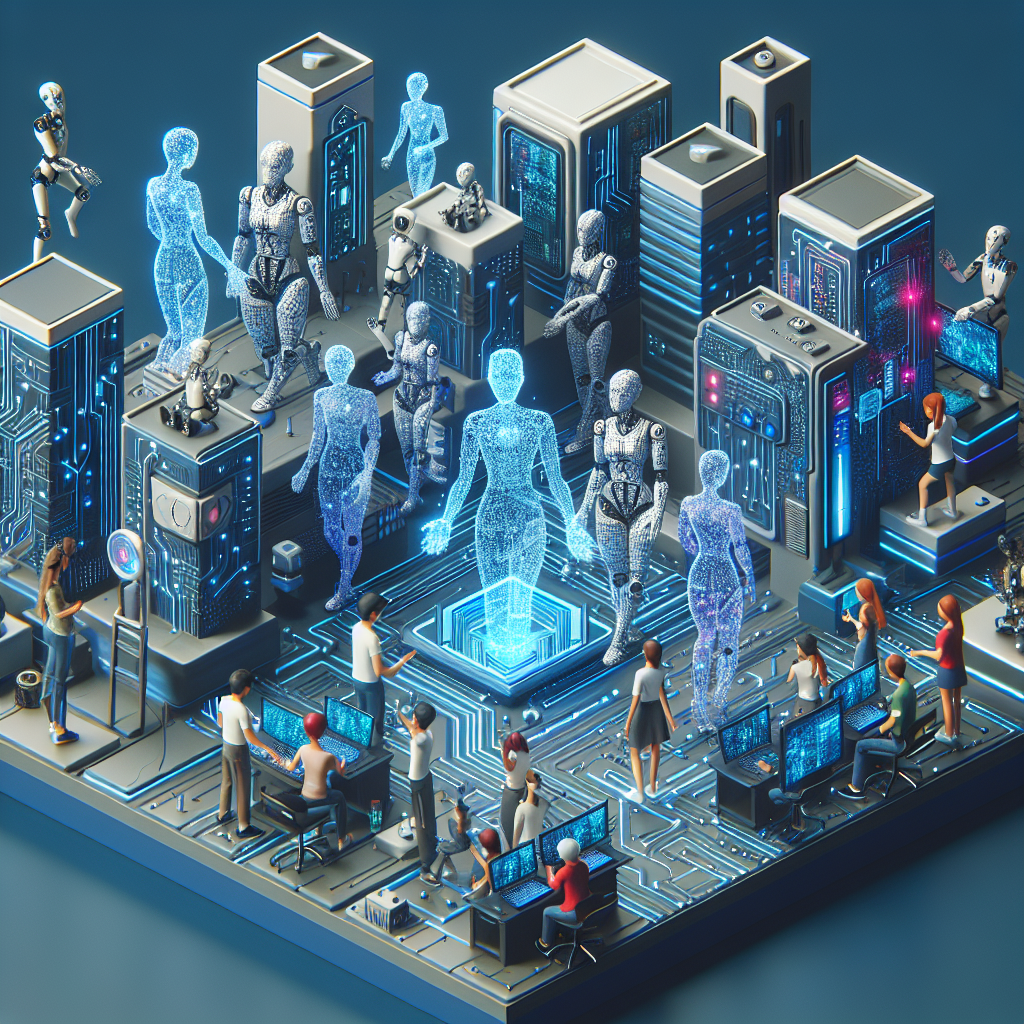
The gaming industry has seen tremendous growth over the past few years, with advancements in technology playing a major role in this expansion. One of the most significant technological advancements that have revolutionized the gaming industry is Artificial Intelligence (AI). AI has been integrated into various aspects of gaming, from improving gameplay to enhancing graphics and creating more immersive experiences for players. In this article, we will explore the benefits of AI in the gaming industry and how it is shaping the future of gaming.
1. Enhanced Gameplay
AI has the ability to make games more challenging and engaging for players. AI algorithms can be used to create intelligent opponents that adapt to the player’s skill level, making the gameplay more dynamic and exciting. This not only provides a more immersive gaming experience but also keeps players engaged for longer periods of time.
2. Personalized Gaming Experience
AI can also be used to personalize the gaming experience for individual players. By analyzing player data and behavior, AI algorithms can create customized experiences tailored to the player’s preferences. This can include recommending games based on past preferences, adjusting difficulty levels based on skill level, and even creating personalized in-game content.
3. Improved Graphics and Visuals
AI has also been used to enhance graphics and visuals in games. AI algorithms can be used to create more realistic and detailed environments, characters, and animations. This not only makes games more visually appealing but also helps create a more immersive gaming experience for players.
4. Faster and Smoother Gameplay
AI can help optimize game performance by improving load times, reducing lag, and minimizing glitches. By analyzing player behavior and game data, AI algorithms can predict when and where performance issues may occur and take proactive measures to prevent them. This results in faster and smoother gameplay, leading to a more enjoyable gaming experience for players.
5. Dynamic Storytelling
AI can also be used to create dynamic and evolving storylines in games. By analyzing player choices and interactions, AI algorithms can adjust the narrative in real-time to reflect the player’s decisions. This creates a more personalized and interactive storytelling experience for players, making the game more engaging and immersive.
6. Realistic NPC Behavior
AI can be used to create more realistic and natural behavior for non-player characters (NPCs) in games. AI algorithms can simulate human-like behavior in NPCs, making them more responsive to player actions and interactions. This not only enhances the overall gaming experience but also creates a more immersive and believable game world.
7. Efficient Game Testing and Development
AI can also be used to streamline game testing and development processes. AI algorithms can automate testing procedures, identify bugs and glitches, and provide feedback to developers in real-time. This helps speed up the game development process, reduce costs, and ensure a higher quality final product.
8. Increased Revenue Opportunities
AI can also help game developers and publishers identify new revenue opportunities. By analyzing player data and behavior, AI algorithms can provide insights into player preferences, spending habits, and trends. This information can be used to create targeted marketing campaigns, in-game promotions, and personalized offers to maximize revenue potential.
9. Community Building and Engagement
AI can be used to build and engage gaming communities. AI algorithms can analyze player interactions, preferences, and behavior to create personalized experiences for players. This can include matchmaking players with similar interests, creating in-game events and challenges, and fostering a sense of community among players.
10. Predictive Analytics
AI can be used to predict player behavior and trends, helping game developers and publishers make informed decisions about game development, marketing, and monetization strategies. By analyzing player data and behavior, AI algorithms can provide insights into player preferences, spending habits, and engagement patterns. This information can help developers create more engaging and profitable games.
Overall, AI has the potential to revolutionize the gaming industry by enhancing gameplay, creating more immersive experiences, improving graphics and visuals, optimizing performance, and streamlining game development processes. As AI continues to advance, we can expect to see even more innovative applications of AI in gaming, leading to more exciting and engaging gaming experiences for players.
FAQs:
Q: How is AI used in game development?
A: AI is used in game development to improve gameplay, enhance graphics, personalize experiences, optimize performance, create dynamic storylines, and simulate realistic NPC behavior.
Q: Are there any downsides to using AI in gaming?
A: While AI offers many benefits to the gaming industry, there are potential downsides, such as privacy concerns, ethical implications, and the risk of bias in AI algorithms.
Q: How can players benefit from AI in gaming?
A: Players can benefit from AI in gaming by enjoying more challenging and engaging gameplay, personalized experiences, enhanced graphics and visuals, faster and smoother gameplay, dynamic storytelling, and realistic NPC behavior.
Q: How can game developers benefit from AI?
A: Game developers can benefit from AI by streamlining game testing and development processes, identifying new revenue opportunities, building and engaging gaming communities, and leveraging predictive analytics to make informed decisions.
Q: What are some examples of AI applications in gaming?
A: Some examples of AI applications in gaming include creating intelligent opponents, personalizing gameplay experiences, enhancing graphics and visuals, optimizing performance, creating dynamic storylines, simulating realistic NPC behavior, and streamlining game development processes.