
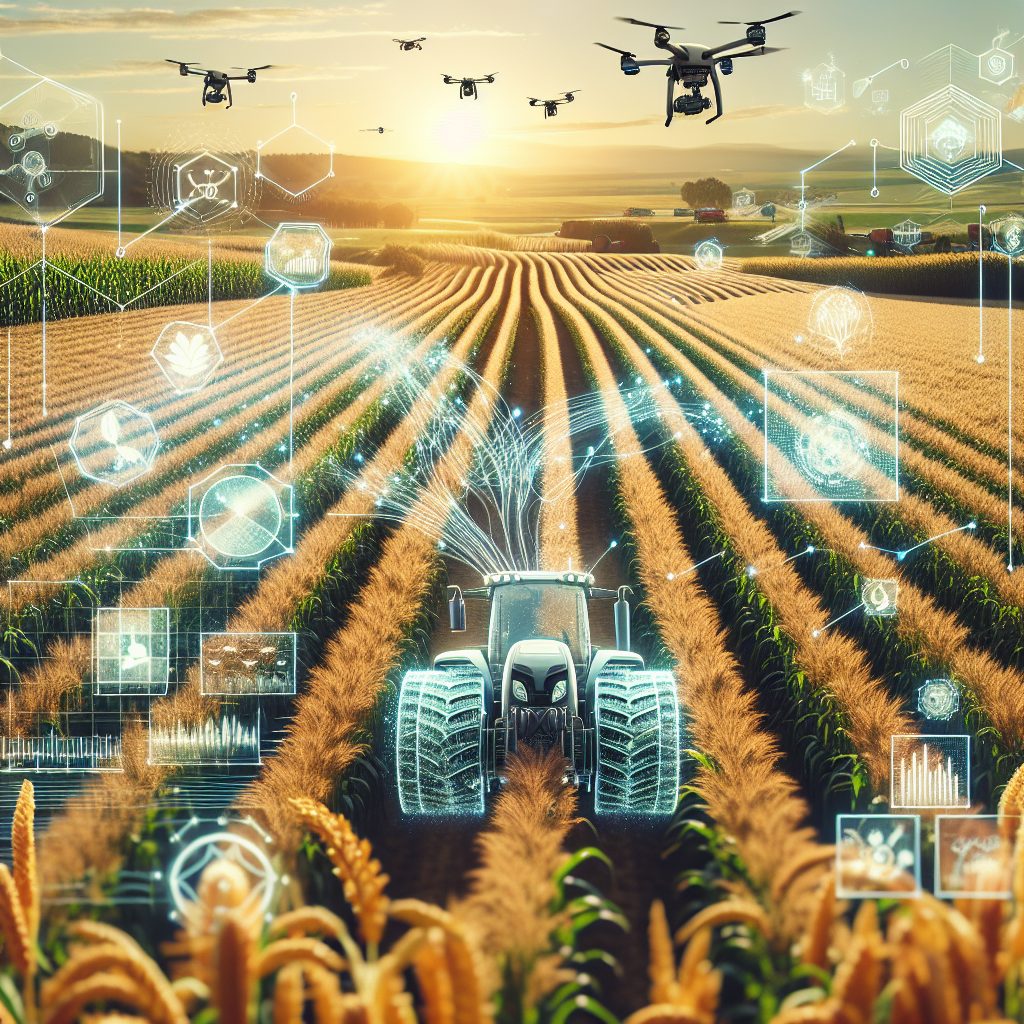
The Potential of AI in Agriculture
Artificial Intelligence (AI) has been making waves in a variety of industries, and agriculture is no exception. With the world’s population expected to reach 9.7 billion by 2050, there is an increasing need for innovative solutions to help meet the growing demand for food. AI has the potential to revolutionize the agriculture industry by improving crop yields, reducing waste, and increasing efficiency. In this article, we will explore the various ways AI is being used in agriculture and the potential benefits it offers.
How AI is being used in agriculture
AI is being used in agriculture in a variety of ways, from crop monitoring and management to soil analysis and pest control. One of the key benefits of AI in agriculture is its ability to collect and analyze large amounts of data in real-time, allowing farmers to make more informed decisions and optimize their operations.
One of the most common uses of AI in agriculture is in crop monitoring. AI-powered drones and satellites can capture high-resolution images of fields, allowing farmers to monitor crop health, detect diseases, and identify areas that need attention. This information can help farmers make timely decisions about irrigation, fertilization, and pest control, ultimately improving crop yields and reducing waste.
AI is also being used in soil analysis to help farmers better understand their soil health and make more informed decisions about planting and fertilization. By analyzing soil samples and historical data, AI algorithms can provide recommendations on the best crops to plant and the optimal amount of fertilizer to use, helping farmers maximize their yields while minimizing environmental impact.
Another way AI is being used in agriculture is in pest control. AI-powered sensors can detect pests and diseases in crops early on, allowing farmers to take action before they spread and cause significant damage. By using AI to monitor pest populations and predict outbreaks, farmers can reduce the need for chemical pesticides and adopt more sustainable pest management practices.
The potential benefits of AI in agriculture
The potential benefits of AI in agriculture are vast, ranging from increased crop yields and reduced waste to improved sustainability and efficiency. By harnessing the power of AI, farmers can optimize their operations, reduce costs, and improve their bottom line. Some of the key benefits of AI in agriculture include:
– Increased crop yields: By using AI to monitor crop health, optimize irrigation and fertilization, and detect pests and diseases early on, farmers can increase their crop yields and improve the overall quality of their produce.
– Reduced waste: AI can help farmers reduce waste by optimizing planting schedules, predicting crop yields, and identifying areas of inefficiency in their operations. By minimizing waste, farmers can improve their profitability and reduce their environmental impact.
– Improved sustainability: AI can help farmers adopt more sustainable farming practices by reducing the use of chemical pesticides and fertilizers, optimizing water usage, and promoting biodiversity. By using AI to monitor and manage their operations, farmers can reduce their environmental footprint and contribute to a more sustainable food system.
– Increased efficiency: AI can help farmers streamline their operations, automate repetitive tasks, and make more informed decisions. By using AI to analyze data and generate insights, farmers can save time and resources, improve their productivity, and focus on more strategic activities.
Frequently Asked Questions about AI in Agriculture
Q: How much does it cost to implement AI in agriculture?
A: The cost of implementing AI in agriculture varies depending on the size of the operation, the type of technology used, and the level of customization required. While some AI solutions can be relatively affordable, others may require a significant investment. However, the potential benefits of AI in agriculture, such as increased crop yields and reduced waste, can outweigh the initial costs in the long run.
Q: What are some of the challenges of using AI in agriculture?
A: Some of the challenges of using AI in agriculture include data privacy concerns, limited access to technology in rural areas, and the need for specialized skills and training. Additionally, AI algorithms may not always be accurate or reliable, leading to potential errors in decision-making. To overcome these challenges, farmers should work with trusted partners, invest in training and education, and carefully evaluate the performance of AI solutions.
Q: How can farmers benefit from using AI in agriculture?
A: Farmers can benefit from using AI in agriculture in a variety of ways, including increased crop yields, reduced waste, improved sustainability, and increased efficiency. By harnessing the power of AI, farmers can optimize their operations, make more informed decisions, and improve their overall profitability. Additionally, AI can help farmers adapt to changing environmental conditions, market demands, and regulatory requirements, ensuring their long-term success.
In conclusion, the potential of AI in agriculture is vast, with the ability to transform the way farmers grow, harvest, and distribute food. By harnessing the power of AI, farmers can increase their crop yields, reduce waste, improve sustainability, and increase efficiency. While there are challenges to overcome, the benefits of AI in agriculture far outweigh the costs, making it a valuable tool for the future of food production.