
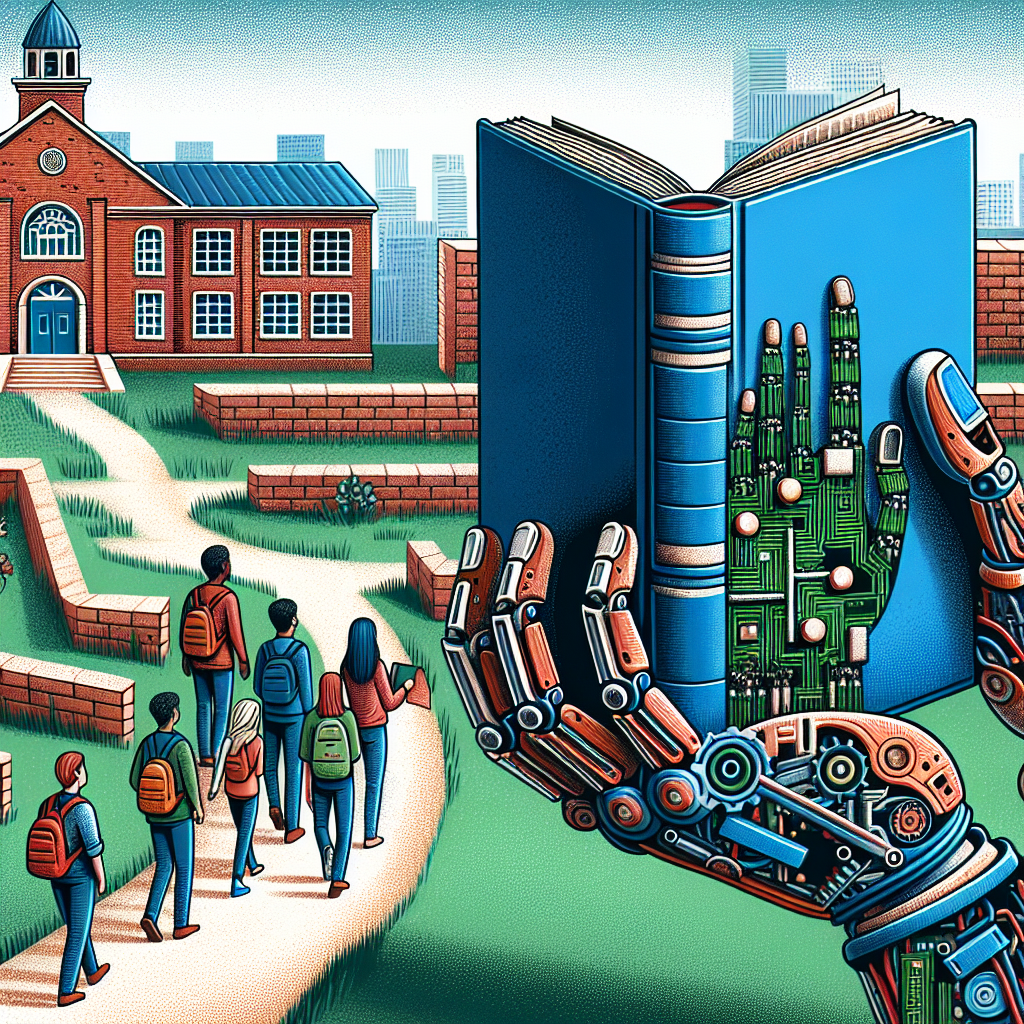
AI Consulting: Overcoming Challenges in Education
Artificial Intelligence (AI) has become a game-changer in various industries, including education. AI consulting services are increasingly being utilized by educational institutions to improve student learning outcomes, streamline administrative processes, and enhance overall efficiency. However, the adoption of AI in education comes with its own set of challenges. In this article, we will explore some of the key challenges faced by AI consulting in education and how they can be overcome.
Challenges in AI Consulting in Education
1. Resistance to Change: One of the major challenges faced by AI consulting in education is the resistance to change from teachers, administrators, and other stakeholders. Many educators are apprehensive about the role of AI in the classroom and fear that it may replace human teachers. This resistance can hinder the successful implementation of AI solutions in educational settings.
Solution: To overcome resistance to change, it is essential to involve teachers and other stakeholders in the decision-making process. Educators should be provided with training and support to help them understand the benefits of AI in education and how it can enhance teaching and learning. It is important to emphasize that AI is meant to complement and support teachers, not replace them.
2. Data Privacy and Security: Another challenge in AI consulting in education is the issue of data privacy and security. AI solutions in education rely on vast amounts of student data to personalize learning experiences and provide insights into student performance. However, there are concerns about the misuse of this data and the potential for breaches in data security.
Solution: To address data privacy and security concerns, educational institutions need to implement robust data protection measures. This includes ensuring compliance with data protection regulations, such as the General Data Protection Regulation (GDPR), and implementing secure data storage and encryption practices. Educators should also be trained on how to handle student data responsibly and ethically.
3. Lack of Technical Expertise: Many educational institutions lack the technical expertise required to implement and maintain AI solutions. This can hinder the successful deployment of AI consulting services in education, as institutions may struggle to integrate AI technologies into their existing systems and workflows.
Solution: To overcome the lack of technical expertise, educational institutions can partner with AI consulting firms that specialize in education. These firms can provide the necessary expertise and support to help institutions implement AI solutions effectively. Educators can also be provided with training on how to use AI technologies and incorporate them into their teaching practices.
4. Cost of Implementation: Implementing AI solutions in education can be costly, especially for smaller institutions with limited budgets. The cost of acquiring AI technologies, training staff, and maintaining the systems can be prohibitive for some educational institutions.
Solution: To address the cost of implementation, educational institutions can explore cost-effective AI consulting services that offer flexible pricing models. Some AI consulting firms offer subscription-based services or pay-as-you-go models, which can help institutions manage costs more effectively. Additionally, institutions can seek funding opportunities, such as grants or partnerships with industry stakeholders, to offset the cost of implementing AI solutions.
5. Ethical Concerns: AI technologies in education raise ethical concerns around issues such as bias, transparency, and accountability. There is a risk that AI algorithms may perpetuate existing biases and inequalities in education, leading to unfair outcomes for students. Educators and policymakers must address these ethical concerns to ensure that AI solutions are deployed responsibly and ethically.
Solution: To address ethical concerns, educational institutions should prioritize transparency and accountability in the deployment of AI technologies. Institutions should conduct regular audits of AI algorithms to identify and mitigate biases. Educators should also be trained on ethical considerations in using AI technologies and encouraged to engage in critical discussions around the ethical implications of AI in education.
FAQs
1. What is AI consulting in education?
AI consulting in education involves the use of artificial intelligence technologies to improve teaching and learning outcomes, streamline administrative processes, and enhance overall efficiency in educational settings. AI consulting firms provide expertise and support to help educational institutions implement AI solutions effectively.
2. How can AI consulting help improve student learning outcomes?
AI consulting can help improve student learning outcomes by personalizing learning experiences, providing real-time feedback to students, and identifying areas where students may need additional support. AI technologies can analyze vast amounts of student data to tailor instruction to individual learning needs and preferences, leading to improved academic performance.
3. What are some examples of AI solutions in education?
Some examples of AI solutions in education include intelligent tutoring systems, personalized learning platforms, virtual assistants for students and teachers, and predictive analytics for student retention. These technologies can help educators deliver more personalized and engaging learning experiences for students and streamline administrative processes.
4. How can educational institutions overcome resistance to AI in the classroom?
Educational institutions can overcome resistance to AI in the classroom by involving teachers and other stakeholders in the decision-making process, providing training and support to help educators understand the benefits of AI, and emphasizing that AI is meant to complement and support teachers, not replace them.
5. What are some best practices for ensuring data privacy and security in AI consulting in education?
Some best practices for ensuring data privacy and security in AI consulting in education include implementing robust data protection measures, ensuring compliance with data protection regulations, such as GDPR, and training educators on how to handle student data responsibly and ethically. Institutions should also partner with reputable AI consulting firms that prioritize data privacy and security.
In conclusion, AI consulting has the potential to transform education by improving student learning outcomes, streamlining administrative processes, and enhancing overall efficiency. By addressing key challenges such as resistance to change, data privacy and security, lack of technical expertise, cost of implementation, and ethical concerns, educational institutions can successfully harness the power of AI to create more personalized and engaging learning experiences for students. By partnering with AI consulting firms that specialize in education and prioritizing transparency, accountability, and ethical considerations, institutions can pave the way for a future where AI plays a central role in shaping the future of education.