
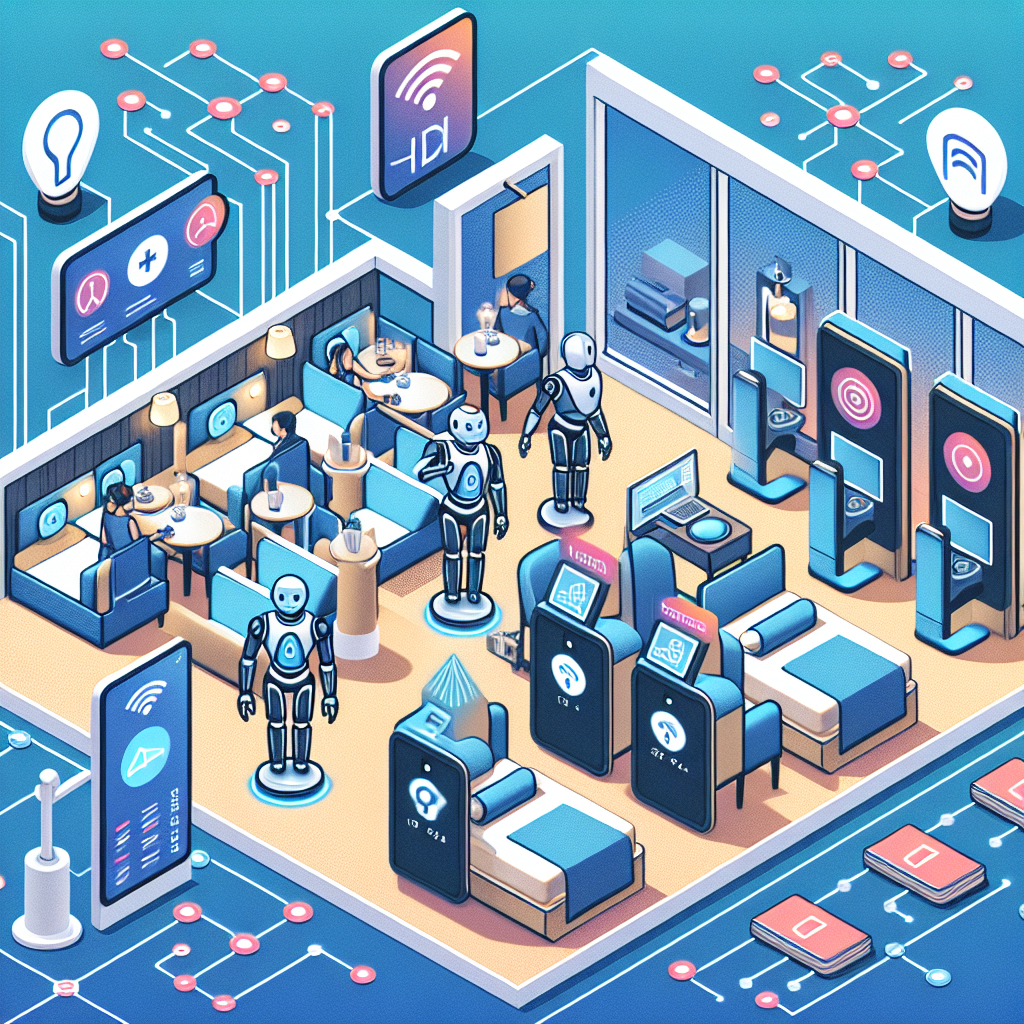
In recent years, the hospitality industry has seen a significant shift towards AI-driven customer service solutions in order to enhance guest experiences and streamline operations. Hotels are increasingly turning to artificial intelligence to provide personalized and efficient services to their guests, ultimately improving overall guest satisfaction and loyalty. In this article, we will explore the various ways in which AI is transforming customer service in the hotel industry and discuss some of the most popular AI-driven solutions currently being used.
AI-driven customer service solutions for hotels encompass a wide range of technologies and applications, from chatbots and virtual assistants to data analytics and predictive modeling. These tools are designed to help hotels better understand their guests’ preferences and behavior, anticipate their needs, and provide timely and relevant assistance when needed. By leveraging AI, hotels can deliver a more personalized and efficient service experience, leading to increased guest satisfaction and loyalty.
One of the most common AI-driven customer service solutions used in hotels is the implementation of chatbots and virtual assistants. These AI-powered tools can handle a wide range of guest inquiries and requests, from booking room reservations and checking in/out to providing recommendations for local attractions and dining options. Chatbots and virtual assistants are available 24/7, providing guests with immediate assistance whenever they need it. This not only improves the guest experience but also frees up hotel staff to focus on more complex and high-touch interactions with guests.
Another popular AI-driven customer service solution for hotels is the use of data analytics and predictive modeling to anticipate guest needs and preferences. By analyzing guest data such as booking history, preferences, and feedback, hotels can better understand their guests and tailor their services accordingly. For example, hotels can use predictive modeling to anticipate when a guest is likely to check out early or extend their stay, allowing them to proactively offer personalized incentives or upgrades to encourage them to stay longer. This not only helps increase guest satisfaction but also maximizes revenue for the hotel.
In addition to chatbots, virtual assistants, and data analytics, hotels are also leveraging AI for other customer service applications, such as voice recognition technology for in-room controls, facial recognition for check-in processes, and robotic concierge services. These AI-driven solutions not only enhance the guest experience but also improve operational efficiency and reduce costs for hotels. For example, robotic concierge services can assist guests with luggage delivery, room service orders, and directions to local attractions, freeing up hotel staff to focus on more high-touch interactions with guests.
Overall, AI-driven customer service solutions are revolutionizing the way hotels interact with their guests, providing personalized and efficient services that enhance the guest experience and drive loyalty. As AI technology continues to advance, we can expect to see even more innovative solutions that further improve customer service in the hotel industry.
FAQs:
Q: Are AI-driven customer service solutions expensive to implement?
A: While AI-driven customer service solutions can require an initial investment, many hotels find that the long-term benefits outweigh the costs. These solutions can help improve operational efficiency, increase revenue, and enhance guest satisfaction, ultimately providing a strong return on investment.
Q: Will AI-driven customer service solutions replace human interaction in hotels?
A: AI-driven customer service solutions are designed to augment human interaction, not replace it. While these tools can handle routine inquiries and tasks, hotel staff will still play a crucial role in providing personalized and high-touch services to guests.
Q: How can hotels ensure that AI-driven customer service solutions are implemented effectively?
A: To ensure the successful implementation of AI-driven customer service solutions, hotels should carefully evaluate their needs and goals, select the right technology partners, and provide adequate training and support for staff. Regular monitoring and feedback from guests can also help hotels fine-tune their AI-driven solutions to better meet guest needs.