
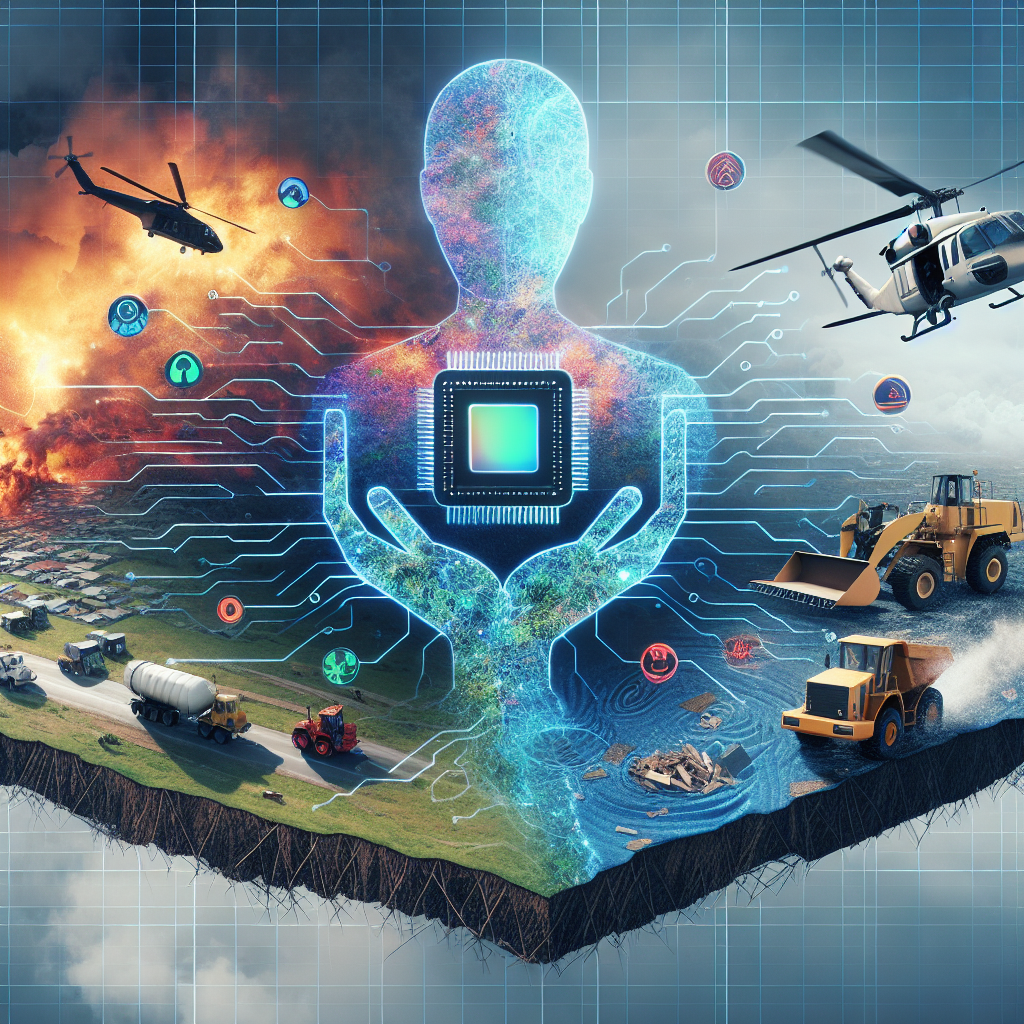
In recent years, natural disasters have become more frequent and severe, causing immense damage to communities and infrastructure around the world. From hurricanes and floods to wildfires and earthquakes, these events can have devastating impacts on people’s lives and livelihoods. In the aftermath of such disasters, it is crucial for emergency response teams to quickly and effectively coordinate recovery efforts to minimize further damage and help affected communities rebuild.
One technology that has the potential to revolutionize disaster recovery operations is artificial intelligence (AI). AI solutions can help streamline and automate various aspects of disaster response, from predicting the path of a storm to assessing damage and prioritizing resources. By harnessing the power of AI, emergency response teams can make faster and more informed decisions, ultimately saving lives and reducing the long-term impacts of disasters.
AI for Disaster Preparedness
One of the key ways AI can enhance disaster recovery operations is by improving preparedness. AI algorithms can analyze vast amounts of data from weather patterns, geographical features, and historical disaster events to predict when and where a disaster is likely to strike. By using this information, emergency response teams can proactively deploy resources and evacuate residents in high-risk areas before a disaster hits, potentially saving countless lives.
For example, AI-powered predictive analytics can help identify areas prone to flooding or landslides based on factors such as terrain elevation, soil type, and precipitation levels. This information can be used to create detailed risk maps that guide evacuation plans and resource allocation during a disaster. Additionally, AI can analyze social media posts and news reports to provide real-time updates on the situation on the ground, helping response teams make informed decisions in rapidly changing conditions.
AI for Damage Assessment
After a disaster strikes, one of the most critical tasks for emergency response teams is assessing the extent of damage to infrastructure and buildings. Traditionally, this process has been time-consuming and labor-intensive, requiring teams to manually inspect each affected area to determine the level of destruction. AI solutions can significantly speed up this process by analyzing satellite imagery, drone footage, and other sources of data to quickly assess damage and prioritize response efforts.
For example, AI algorithms can be trained to recognize patterns in images that indicate structural damage, such as collapsed buildings or flooded roads. By using machine learning techniques, these algorithms can automatically classify damage severity and generate detailed reports for response teams to act upon. This allows emergency responders to quickly identify areas in need of immediate attention and allocate resources accordingly, leading to a more efficient and effective recovery process.
AI for Resource Allocation
Another area where AI can make a significant impact on disaster recovery operations is in resource allocation. During a disaster, emergency response teams often face limited resources and must make difficult decisions about where to deploy personnel, equipment, and supplies. AI solutions can help optimize these decisions by analyzing real-time data on the ground and recommending the most efficient use of resources to maximize impact.
For example, AI algorithms can consider factors such as population density, road conditions, and available shelters to determine the best locations for setting up emergency aid stations. By using predictive modeling and optimization techniques, AI can suggest the most effective routes for delivering supplies and evacuating residents, reducing response times and improving overall coordination. This enables response teams to make informed decisions under pressure and allocate resources where they are needed most, ultimately saving lives and reducing the impact of disasters.
FAQs:
Q: How can AI help emergency response teams better prepare for disasters?
A: AI can analyze data from various sources to predict when and where a disaster is likely to strike, helping response teams proactively deploy resources and evacuate residents in high-risk areas.
Q: How does AI assist in damage assessment after a disaster?
A: AI algorithms can analyze satellite imagery, drone footage, and other data sources to quickly assess damage severity and prioritize response efforts, enabling emergency responders to identify areas in need of immediate attention.
Q: How can AI optimize resource allocation during a disaster?
A: AI solutions can analyze real-time data on the ground to recommend the most efficient use of resources, such as personnel, equipment, and supplies, to maximize impact and improve overall coordination.
In conclusion, AI solutions have the potential to enhance disaster recovery operations by improving preparedness, streamlining damage assessment, and optimizing resource allocation. By harnessing the power of AI, emergency response teams can make faster and more informed decisions, ultimately saving lives and reducing the long-term impacts of disasters. As the technology continues to evolve, we can expect to see even greater advancements in AI-driven disaster recovery solutions, helping communities around the world better prepare for and respond to natural disasters.