
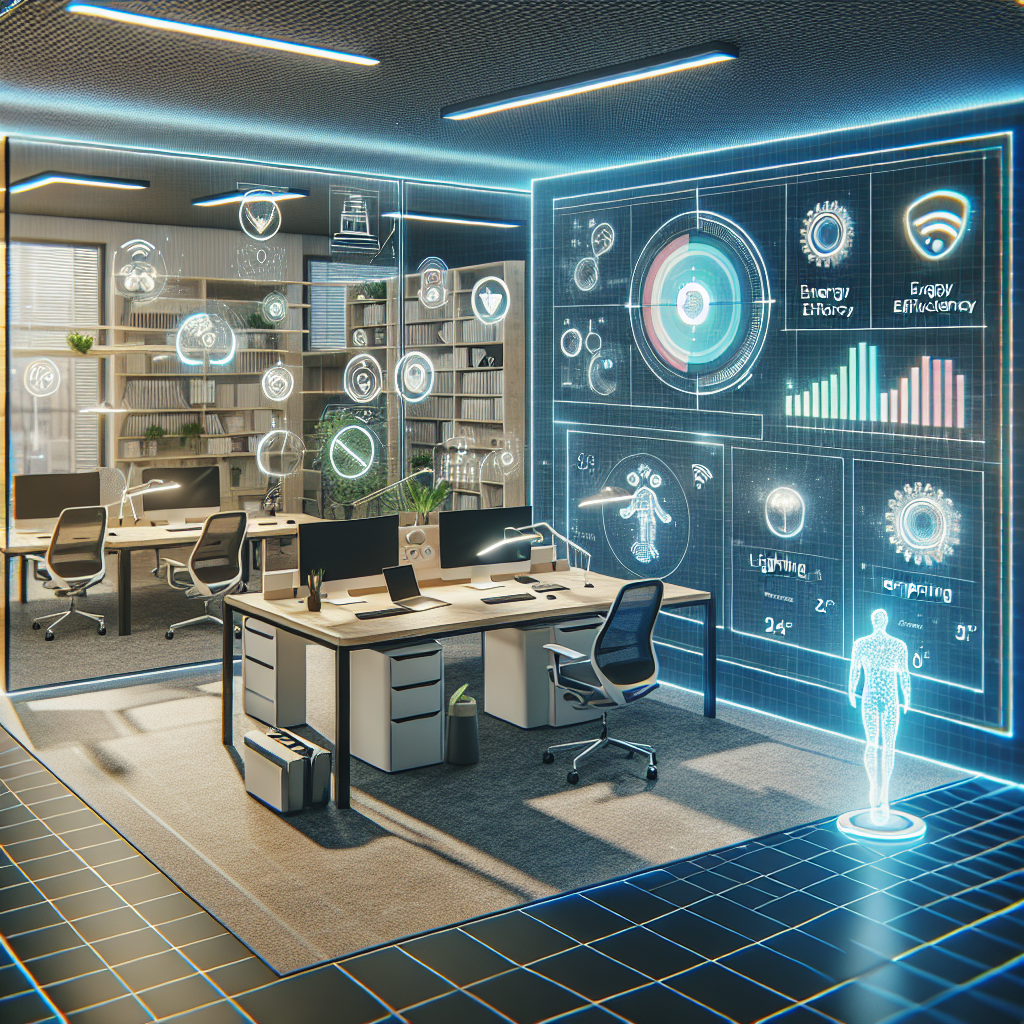
The Role of AI in Designing Healthy Workspaces
In recent years, the importance of designing healthy workspaces has gained significant attention. With the rise of remote work and the increasing focus on employee well-being, companies are looking for ways to create environments that promote productivity, creativity, and overall health. One emerging technology that is playing a crucial role in this process is artificial intelligence (AI).
AI is revolutionizing the way we design workspaces by analyzing data, predicting trends, and optimizing layouts to create spaces that are conducive to employee well-being. From improving air quality to enhancing lighting conditions, AI is transforming the workplace into a healthier and more productive environment.
One of the key ways AI is being used in workspace design is through the analysis of data collected from sensors embedded in the workplace. These sensors can monitor various environmental factors such as temperature, humidity, air quality, and lighting levels. By analyzing this data, AI algorithms can identify patterns and trends that can help designers optimize the workspace for maximum comfort and productivity.
For example, AI can analyze data on employee movement patterns to determine the most efficient layout for a workspace. By identifying high-traffic areas and bottlenecks, AI can help designers create layouts that promote collaboration and communication among employees. Additionally, AI can analyze data on employee preferences for lighting and temperature to create personalized workspaces that cater to individual needs.
AI is also being used to improve air quality in workspaces. By analyzing data on pollutants and ventilation levels, AI can optimize air filtration systems to ensure that employees are breathing clean air. This can have a significant impact on employee health and productivity, as poor air quality has been linked to a variety of health problems such as respiratory issues and fatigue.
Another way AI is being used in workspace design is through the creation of smart lighting systems. By analyzing data on natural light levels and employee preferences, AI can adjust lighting conditions to create a more comfortable and productive work environment. For example, AI can dim the lights in the afternoon to reduce eye strain or adjust the color temperature of the lights to boost employee mood and energy levels.
In addition to optimizing physical environments, AI is also being used to enhance employee well-being through the use of virtual assistants and chatbots. These AI-powered tools can provide employees with personalized recommendations on how to improve their health and well-being, such as taking breaks, staying hydrated, or practicing mindfulness techniques. By promoting healthy habits, AI can help employees stay productive and engaged throughout the workday.
Overall, AI is playing a crucial role in designing healthy workspaces that promote employee well-being and productivity. By analyzing data, predicting trends, and optimizing layouts, AI is transforming the workplace into a healthier and more efficient environment. As companies continue to prioritize employee well-being, AI will play an increasingly important role in creating workspaces that support the physical, mental, and emotional health of employees.
FAQs
Q: How does AI improve air quality in workspaces?
A: AI can analyze data on pollutants and ventilation levels to optimize air filtration systems, ensuring that employees are breathing clean air.
Q: How can AI help designers create personalized workspaces?
A: By analyzing data on employee preferences for lighting, temperature, and layout, AI can create personalized workspaces that cater to individual needs.
Q: How does AI enhance employee well-being in the workplace?
A: AI-powered virtual assistants and chatbots can provide employees with personalized recommendations on how to improve their health and well-being, promoting healthy habits and productivity.
Q: What are some of the benefits of using AI in workspace design?
A: AI can improve air quality, enhance lighting conditions, optimize layouts, and promote employee well-being, creating healthier and more productive workspaces.