
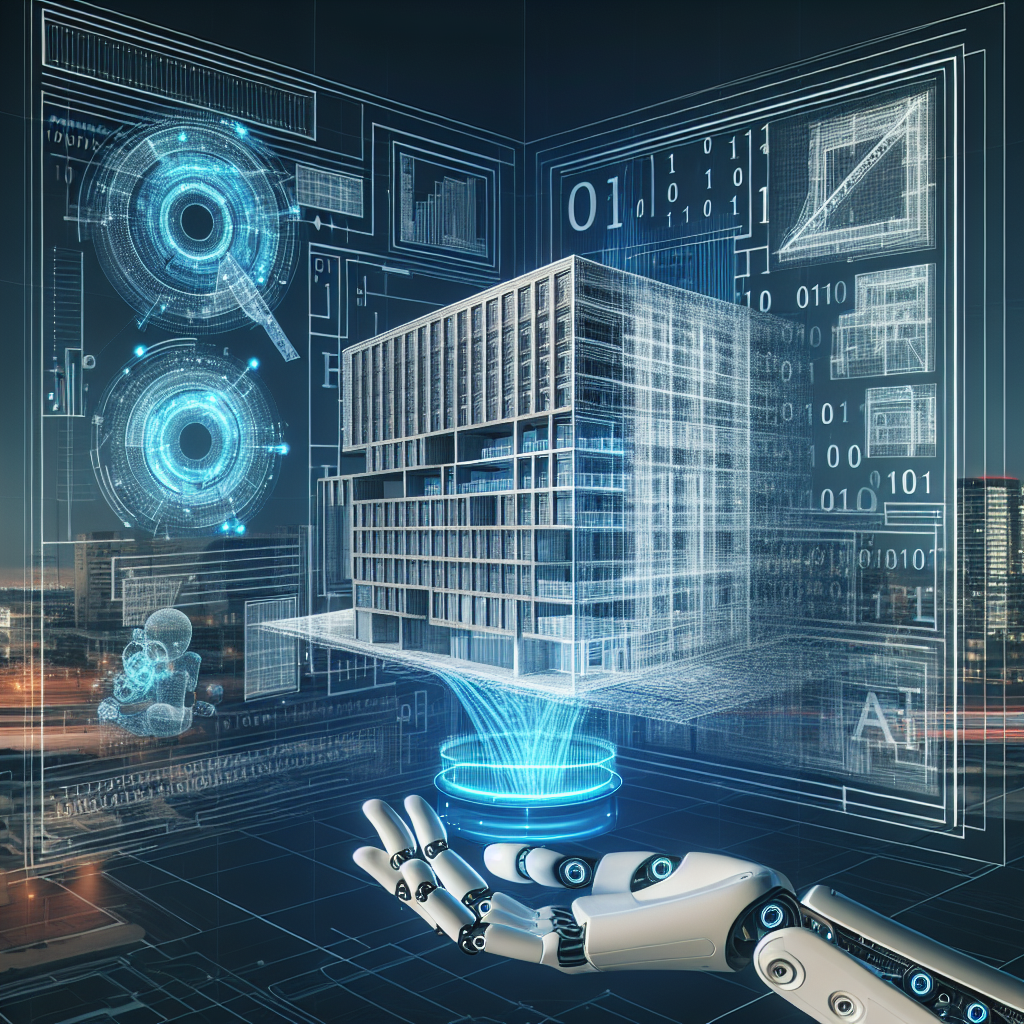
Artificial Intelligence (AI) has been making significant advancements in various industries, and architecture is no exception. The integration of AI in architectural representation techniques has revolutionized the way architects design and visualize their projects. From generating complex 3D models to creating realistic renderings, AI is enhancing the architectural process in ways that were never thought possible before. In this article, we will explore the impact of AI on architectural representation techniques and how it is shaping the future of the industry.
Advancements in Architectural Representation Techniques
Traditionally, architects have relied on manual drafting and rendering techniques to bring their designs to life. However, with the rise of AI technology, architects now have access to a wide range of tools and software that can automate and streamline the design process. One of the key advancements in architectural representation techniques is the use of AI-powered design software.
AI-powered design software, such as Autodesk’s Generative Design tool, allows architects to input their design parameters and let the software generate multiple design options based on those inputs. This not only speeds up the design process but also allows architects to explore a wider range of design possibilities that they may not have considered otherwise. Additionally, AI-powered design software can analyze data and optimize designs for factors such as energy efficiency, structural integrity, and cost-effectiveness.
Another significant advancement in architectural representation techniques is the use of AI-generated 3D models. Traditionally, architects would spend hours creating 3D models of their designs, but with AI technology, this process can now be automated. AI algorithms can analyze 2D drawings and generate accurate 3D models in a fraction of the time it would take a human designer. This not only saves time but also allows architects to visualize their designs in a more realistic and immersive way.
AI is also being used to create realistic renderings of architectural designs. Traditionally, architects would rely on rendering software to create realistic images of their designs, but with AI technology, this process has become even more sophisticated. AI algorithms can analyze lighting conditions, materials, and textures to create hyper-realistic renderings that are almost indistinguishable from photographs. This not only helps architects communicate their designs more effectively but also allows clients to visualize the final product before construction even begins.
Impact of AI on the Architectural Industry
The integration of AI in architectural representation techniques has had a profound impact on the industry as a whole. One of the key benefits of AI technology is its ability to streamline the design process and improve efficiency. By automating tasks that were previously done manually, architects can now focus more on the creative aspects of their work and spend less time on repetitive tasks. This not only improves productivity but also allows architects to explore more design possibilities and push the boundaries of what is possible in architecture.
AI technology has also democratized the design process, making it more accessible to a wider range of designers. Traditionally, only experienced architects with advanced technical skills could create complex 3D models and realistic renderings. However, with the rise of AI-powered design software, even novice designers can create sophisticated designs with minimal training. This has opened up new opportunities for emerging designers and has allowed them to compete on a level playing field with established firms.
Furthermore, AI technology is helping architects create more sustainable and environmentally-friendly designs. By analyzing data and optimizing designs for factors such as energy efficiency and material usage, AI algorithms can help architects create buildings that are more environmentally friendly and cost-effective. This not only benefits the environment but also helps architects meet the growing demand for sustainable design solutions.
FAQs
Q: How is AI technology revolutionizing architectural representation techniques?
A: AI technology is revolutionizing architectural representation techniques by automating tasks that were previously done manually, such as generating 3D models and creating realistic renderings. This not only speeds up the design process but also allows architects to explore a wider range of design possibilities and create more realistic and immersive visualizations of their designs.
Q: What are some of the key benefits of using AI technology in architecture?
A: Some of the key benefits of using AI technology in architecture include improved efficiency, streamlined design process, democratization of design, and creation of more sustainable and environmentally-friendly designs. AI technology allows architects to focus more on the creative aspects of their work and spend less time on repetitive tasks, leading to increased productivity and innovation in the industry.
Q: How accessible is AI technology to architects?
A: AI technology is becoming increasingly accessible to architects of all levels of experience. Many software providers offer AI-powered design tools that are user-friendly and require minimal training to use. This has made AI technology more accessible to a wider range of designers, including emerging designers and small firms, allowing them to compete on a level playing field with larger, more established firms.
In conclusion, AI technology is transforming the way architects design and visualize their projects. From generating complex 3D models to creating realistic renderings, AI-powered design tools are revolutionizing architectural representation techniques and shaping the future of the industry. By automating tasks, improving efficiency, and creating more sustainable designs, AI technology is helping architects push the boundaries of what is possible in architecture and create more innovative and inspiring designs.