
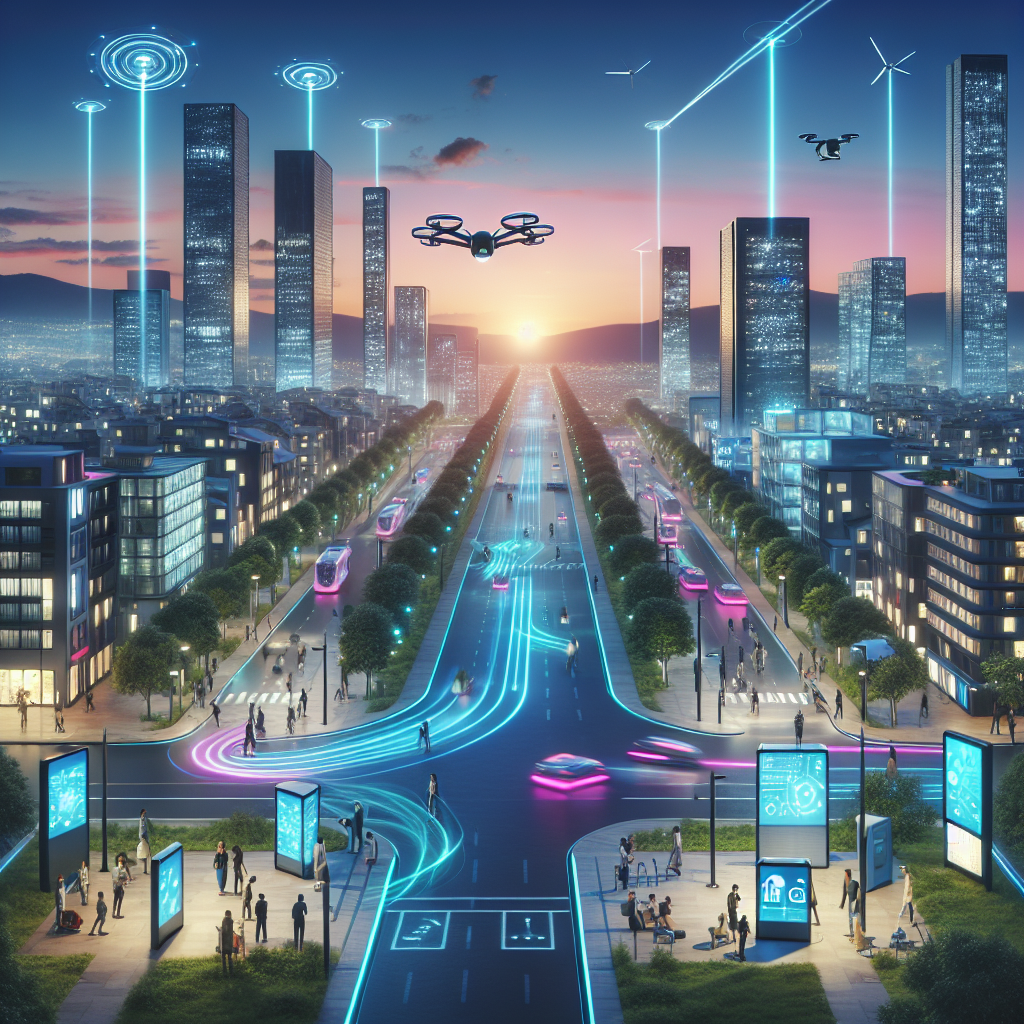
AI-driven Solutions for Smart Cities
In recent years, the concept of smart cities has gained significant traction as urban populations continue to grow at unprecedented rates. Smart cities use data and technology to improve the quality of life for residents, enhance sustainability, and optimize city operations. One of the key drivers of smart city initiatives is artificial intelligence (AI), which plays a crucial role in enabling cities to efficiently manage resources, reduce costs, and enhance overall livability.
AI-driven solutions are transforming the way cities operate and provide services to their residents. From traffic management to energy efficiency, AI is being used to analyze vast amounts of data in real-time, identify patterns, and make informed decisions to improve city services and infrastructure. In this article, we will explore some of the key AI-driven solutions that are revolutionizing the way cities function and address common questions about the use of AI in smart cities.
Traffic Management
Traffic congestion is a major challenge in urban areas, leading to increased pollution, longer commute times, and decreased quality of life for residents. AI-driven solutions are being used to optimize traffic flow, reduce congestion, and improve road safety. By analyzing data from traffic cameras, sensors, and GPS devices, AI can predict traffic patterns, identify bottlenecks, and recommend the most efficient routes for drivers.
One example of AI-driven traffic management is the use of predictive analytics to anticipate traffic congestion and adjust traffic signals in real-time to optimize traffic flow. By using AI algorithms to analyze historical traffic data and real-time information, cities can predict traffic patterns and adjust signal timings accordingly, reducing wait times and improving overall traffic flow.
Energy Efficiency
Energy consumption is another major concern for cities looking to reduce their environmental impact and lower costs. AI-driven solutions are being used to optimize energy usage in buildings, streetlights, and other infrastructure to reduce waste and improve efficiency. By analyzing data on energy consumption, weather patterns, and building occupancy, AI can identify opportunities to reduce energy usage and lower costs.
One example of AI-driven energy efficiency is the use of smart grids to manage electricity distribution more efficiently. By using AI algorithms to analyze data on energy consumption, weather conditions, and grid performance, cities can optimize the distribution of electricity to minimize waste and improve reliability. AI can also be used to predict energy demand and adjust power generation accordingly, reducing the need for costly peak-time energy production.
Public Safety
Ensuring public safety is a top priority for cities, and AI-driven solutions are being used to enhance security and emergency response capabilities. By analyzing data from surveillance cameras, social media, and other sources, AI can detect potential threats, identify suspicious behavior, and alert authorities in real-time. AI can also be used to analyze crime patterns and predict future crime hotspots, allowing law enforcement agencies to allocate resources more effectively.
One example of AI-driven public safety is the use of predictive policing to anticipate criminal activity and deploy officers to high-risk areas. By analyzing data on crime rates, demographics, and other factors, AI algorithms can identify patterns and predict where crimes are likely to occur. This information can help law enforcement agencies proactively address potential threats and prevent crimes before they happen.
Waste Management
Managing waste is a significant challenge for cities, with growing populations leading to increased demand for waste collection and disposal services. AI-driven solutions are being used to optimize waste collection routes, reduce costs, and improve recycling rates. By analyzing data on waste generation, collection schedules, and truck locations, AI can optimize collection routes to minimize travel time and fuel consumption.
One example of AI-driven waste management is the use of smart bins equipped with sensors to monitor waste levels and schedule collection automatically. By using AI algorithms to analyze data from sensors, cities can predict when bins will be full and dispatch collection trucks accordingly. This reduces the need for manual monitoring and ensures that bins are emptied at the right time, improving efficiency and reducing costs.
FAQs
Q: How does AI benefit smart cities?
A: AI benefits smart cities by enabling them to analyze vast amounts of data in real-time, identify patterns, and make informed decisions to improve city services and infrastructure. AI-driven solutions help cities optimize traffic flow, reduce energy consumption, enhance public safety, and improve waste management, leading to more efficient and sustainable urban environments.
Q: Is AI secure for use in smart cities?
A: Security is a top concern when implementing AI-driven solutions in smart cities. Cities must ensure that data collected and analyzed by AI systems is secure and protected from cyber threats. Implementing robust cybersecurity measures and encryption protocols is essential to safeguarding data and maintaining the privacy of residents.
Q: What are the challenges of implementing AI in smart cities?
A: Implementing AI in smart cities comes with several challenges, including data privacy concerns, regulatory compliance, and the need for skilled personnel to manage AI systems. Cities must also address issues related to data quality, interoperability, and scalability to effectively deploy AI-driven solutions and realize their full potential.
Q: How can residents benefit from AI-driven solutions in smart cities?
A: Residents can benefit from AI-driven solutions in smart cities in several ways, including reduced commute times, lower energy costs, improved public safety, and cleaner environments. AI enables cities to provide better services, optimize resources, and enhance overall livability for residents, leading to a higher quality of life in urban areas.
In conclusion, AI-driven solutions are transforming the way cities operate and provide services to their residents. From traffic management to energy efficiency, AI is revolutionizing the way cities function by analyzing data, identifying patterns, and making informed decisions to improve city services and infrastructure. By leveraging AI technology, cities can optimize resources, reduce costs, and enhance sustainability, creating smarter and more livable urban environments for residents.