
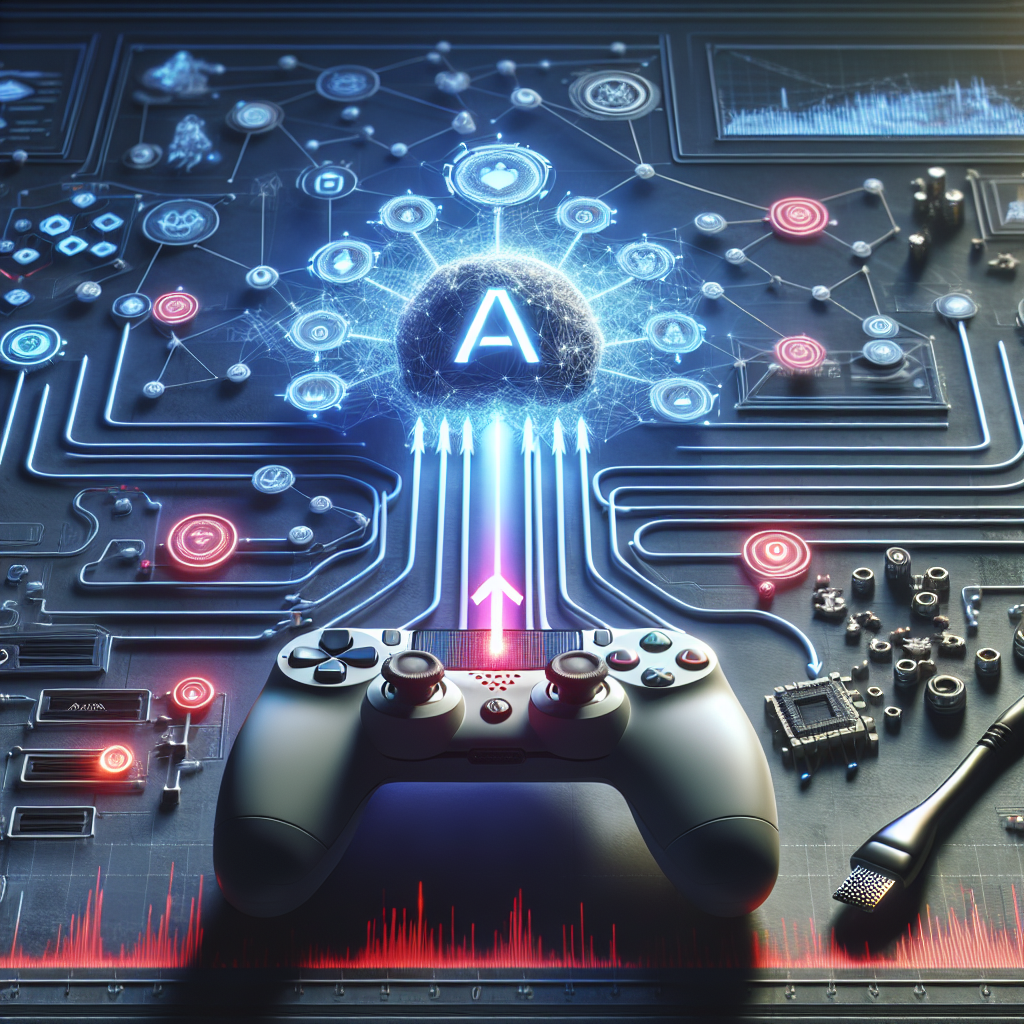
The Impact of AI on Game Development
Artificial intelligence (AI) has been making significant strides in various industries, including game development. The integration of AI technology in game development has brought about numerous advancements, revolutionizing the way games are created and played. From enhancing the gaming experience to improving game design and development processes, AI is playing a critical role in shaping the future of the gaming industry.
One of the key areas where AI is making a significant impact on game development is in the creation of more immersive and engaging gaming experiences. AI-powered algorithms can analyze player behavior and preferences, allowing game developers to tailor the gaming experience to individual players. This level of personalization not only enhances player engagement but also helps game developers create more compelling and addictive games that keep players coming back for more.
AI is also being used to improve game design and development processes. Game developers can use AI-powered tools to automate time-consuming tasks such as testing, bug fixing, and level design. This not only speeds up the game development process but also helps ensure that games are of higher quality and more polished. AI algorithms can also be used to generate game content, such as procedurally generated levels, characters, and environments, reducing the workload on developers and allowing them to focus on more creative aspects of game design.
Furthermore, AI is revolutionizing the way games are played and experienced. AI-powered agents can be used to create more challenging and intelligent non-player characters (NPCs) that adapt to player behavior and provide a more dynamic and realistic gaming experience. AI can also be used to enhance game graphics and visuals, creating more realistic and immersive worlds for players to explore. Additionally, AI can be used to improve player matchmaking and balancing, ensuring that players are matched with opponents of similar skill levels for a more enjoyable gaming experience.
In addition to enhancing the gaming experience, AI is also being used to drive innovation in game development. AI-powered tools and technologies are enabling game developers to explore new game mechanics, genres, and gameplay experiences that were previously not possible. For example, AI can be used to create more realistic virtual worlds, simulate complex behaviors and interactions, and generate dynamic and unpredictable game scenarios. This opens up new possibilities for game developers to create groundbreaking and innovative games that push the boundaries of what is possible in the gaming industry.
Overall, the impact of AI on game development is profound and far-reaching. From enhancing the gaming experience to improving game design and development processes, AI is revolutionizing the way games are created and played. As AI continues to evolve and advance, we can expect to see even more exciting innovations and advancements in the gaming industry in the years to come.
FAQs
Q: How is AI being used in game development?
A: AI is being used in game development to enhance the gaming experience, improve game design and development processes, and drive innovation in the industry. AI-powered algorithms can analyze player behavior and preferences, automate time-consuming tasks, generate game content, and create more challenging and intelligent NPCs, among other applications.
Q: What are some examples of AI in game development?
A: Some examples of AI in game development include personalized gaming experiences, automated testing and bug fixing, procedurally generated content, intelligent NPCs, and realistic game graphics and visuals. AI is also being used to drive innovation in game development by enabling new game mechanics, genres, and gameplay experiences.
Q: How does AI impact the gaming experience?
A: AI impacts the gaming experience by creating more immersive and engaging games that are tailored to individual players. AI-powered algorithms can analyze player behavior and preferences to personalize the gaming experience, creating more compelling and addictive games that keep players coming back for more.
Q: How does AI improve game design and development processes?
A: AI improves game design and development processes by automating time-consuming tasks such as testing, bug fixing, and level design. AI-powered tools can also generate game content, such as procedurally generated levels, characters, and environments, reducing the workload on developers and allowing them to focus on more creative aspects of game design.
Q: What are some future trends in AI and game development?
A: Some future trends in AI and game development include the use of AI to create more realistic virtual worlds, simulate complex behaviors and interactions, and generate dynamic and unpredictable game scenarios. AI is also expected to drive further innovation in game development, enabling new game mechanics, genres, and gameplay experiences that push the boundaries of what is possible in the gaming industry.