
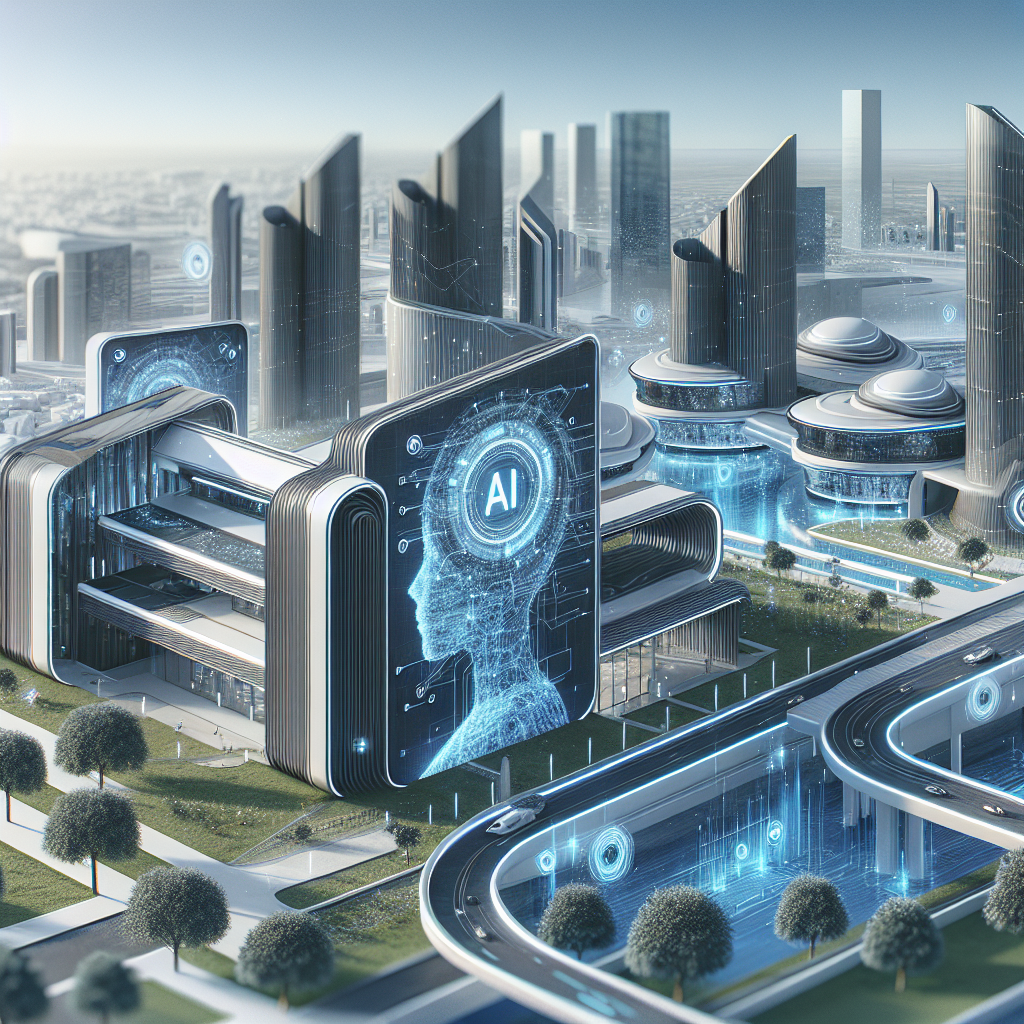
Artificial intelligence (AI) has been making significant strides in various industries, including architecture. The integration of AI in architectural theory has the potential to revolutionize the way buildings are designed, constructed, and even maintained in the future. This article will explore the impact of AI on architectural theory and discuss the potential benefits and challenges that come with it.
AI in Architectural Theory
AI has the ability to enhance the design process by providing architects with tools that can analyze and generate complex design solutions. For example, AI can help architects generate multiple design options based on specific parameters and constraints, allowing them to explore a wider range of possibilities in a shorter amount of time. This can lead to more innovative and efficient designs that meet the needs of clients and users.
AI can also help architects optimize building performance by simulating various environmental conditions and analyzing the impact on energy consumption, daylighting, and thermal comfort. This can lead to more sustainable and energy-efficient buildings that reduce the overall environmental footprint.
Furthermore, AI can assist architects in the construction phase by providing real-time monitoring and analysis of construction processes. This can help identify potential issues early on and ensure that the project stays on track and within budget. AI can also be used to automate repetitive tasks, such as scheduling and material procurement, allowing architects to focus on more creative aspects of the project.
Overall, the integration of AI in architectural theory has the potential to streamline the design and construction process, improve building performance, and enhance the overall quality of architectural projects.
Benefits of AI in Architectural Theory
1. Enhanced design capabilities: AI can help architects generate and analyze design options quickly and efficiently, allowing them to explore a wider range of possibilities and come up with more innovative solutions.
2. Improved building performance: AI can simulate various environmental conditions and analyze the impact on building performance, leading to more sustainable and energy-efficient designs.
3. Real-time monitoring and analysis: AI can provide real-time monitoring and analysis of construction processes, helping identify potential issues early on and ensuring that the project stays on track and within budget.
4. Automation of repetitive tasks: AI can automate repetitive tasks, such as scheduling and material procurement, allowing architects to focus on more creative aspects of the project.
Challenges of AI in Architectural Theory
1. Data privacy and security: AI relies on large amounts of data to function effectively, raising concerns about data privacy and security. Architects must ensure that sensitive information is protected and used responsibly.
2. Bias and ethics: AI algorithms can be biased based on the data they are trained on, leading to potential ethical issues in architectural design. Architects must be aware of these biases and take steps to mitigate them.
3. Skills and training: Architects need to acquire new skills and training to effectively use AI tools and technologies in their practice. Continuous learning and professional development are essential to keep up with the rapid advancements in AI.
4. Cost and accessibility: AI technologies can be costly to implement and maintain, making them less accessible to smaller firms and individual architects. Architects must consider the cost-benefit analysis of using AI in their practice.
FAQs
1. How can AI enhance the design process in architecture?
AI can enhance the design process by providing architects with tools that can analyze and generate complex design solutions. AI can help architects generate multiple design options based on specific parameters and constraints, allowing them to explore a wider range of possibilities in a shorter amount of time.
2. What are some of the benefits of using AI in architectural theory?
Some of the benefits of using AI in architectural theory include enhanced design capabilities, improved building performance, real-time monitoring and analysis of construction processes, and automation of repetitive tasks.
3. What are some of the challenges of using AI in architectural theory?
Some of the challenges of using AI in architectural theory include data privacy and security concerns, bias and ethics issues, the need for skills and training, and the cost and accessibility of AI technologies.
4. How can architects mitigate bias in AI algorithms?
Architects can mitigate bias in AI algorithms by being aware of the biases that may exist in the data they are using to train the AI, and taking steps to address and correct these biases. This may include using diverse and representative data sets, testing for bias in the algorithms, and being transparent about the limitations of AI technologies.
5. How can architects stay up to date with the latest advancements in AI?
Architects can stay up to date with the latest advancements in AI by participating in professional development programs, attending conferences and workshops, and networking with experts in the field. Continuous learning and adapting to new technologies are essential for architects to remain competitive in the industry.