
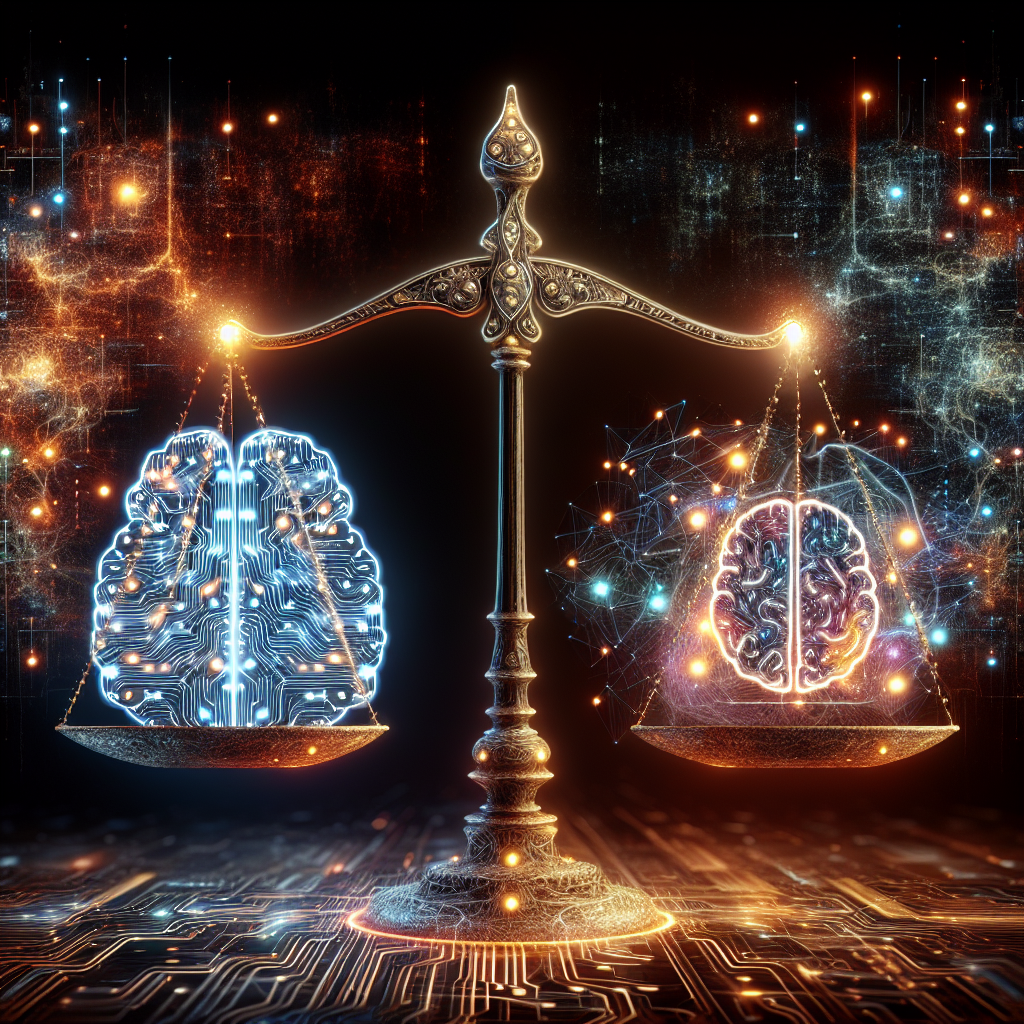
The Ethics of AI: Implications for Privacy and Security
Artificial Intelligence (AI) has become an integral part of our daily lives, from personal assistants like Siri and Alexa to self-driving cars and predictive algorithms used in healthcare and finance. While the benefits of AI are numerous, there are also ethical considerations that must be taken into account, particularly when it comes to privacy and security.
AI has the potential to collect and analyze vast amounts of data, often without the knowledge or consent of individuals. This raises concerns about the privacy of personal information and the potential for misuse of data by companies or governments. In addition, AI systems can be vulnerable to cyber attacks, posing a threat to the security of sensitive information.
The ethical implications of AI in regards to privacy and security are complex and multifaceted. On one hand, AI has the potential to enhance security measures by detecting and preventing cyber attacks more effectively than human operators. AI can also be used to protect privacy by anonymizing data and implementing robust encryption techniques.
However, there are also risks associated with the use of AI in privacy and security. For example, AI algorithms may be biased or discriminatory, leading to unfair treatment of certain groups of people. In addition, the widespread adoption of AI technologies could lead to a loss of jobs and economic insecurity for many individuals.
To address these ethical challenges, policymakers, technologists, and ethicists must work together to develop guidelines and regulations that ensure the responsible use of AI in privacy and security. This may include implementing transparency measures that allow individuals to understand how their data is being used, as well as establishing mechanisms for accountability and oversight.
Frequently Asked Questions (FAQs)
Q: How does AI impact privacy?
A: AI can impact privacy by collecting and analyzing vast amounts of data, often without the knowledge or consent of individuals. This raises concerns about the potential misuse of personal information by companies or governments.
Q: What are some examples of AI technologies that pose privacy risks?
A: Examples of AI technologies that pose privacy risks include facial recognition systems, predictive analytics used in hiring and lending decisions, and personalized advertising algorithms that track user behavior online.
Q: How can AI be used to protect privacy?
A: AI can be used to protect privacy by anonymizing data, implementing robust encryption techniques, and detecting and preventing cyber attacks more effectively than human operators.
Q: What are some ethical considerations when using AI for security purposes?
A: Some ethical considerations when using AI for security purposes include ensuring that AI algorithms are not biased or discriminatory, implementing transparency measures that allow individuals to understand how their data is being used, and establishing mechanisms for accountability and oversight.
Q: How can policymakers and technologists address the ethical challenges of AI in privacy and security?
A: Policymakers and technologists can address the ethical challenges of AI in privacy and security by developing guidelines and regulations that ensure the responsible use of AI, implementing transparency measures, and establishing mechanisms for accountability and oversight.