
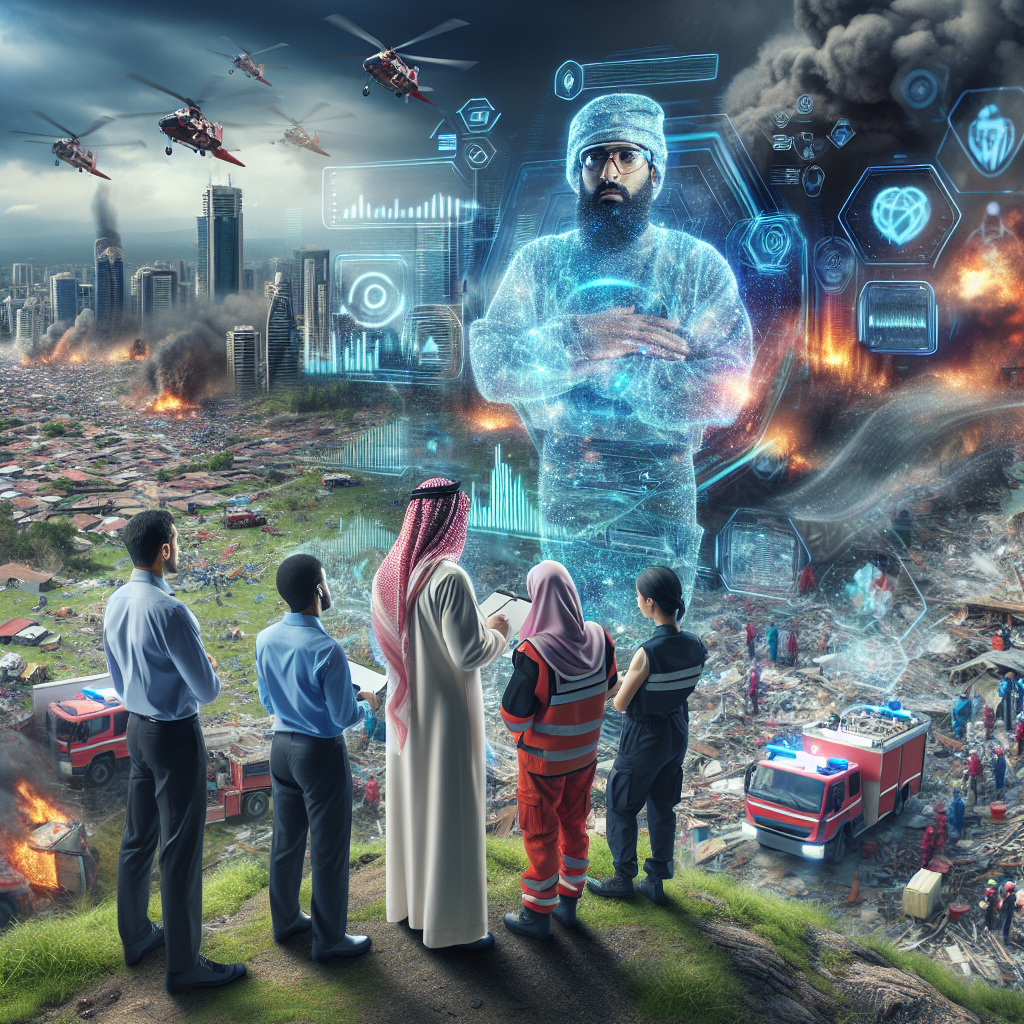
In recent years, artificial intelligence (AI) has been playing an increasingly important role in disaster response efforts. From predicting natural disasters to coordinating rescue operations and managing resources, AI has the potential to revolutionize the way we prepare for and respond to emergencies. However, implementing AI technologies in disaster response requires specialized knowledge and expertise. This is where AI consultants come into play.
AI consultants are experts in the field of artificial intelligence who work with organizations to develop and implement AI solutions tailored to their specific needs. In the context of disaster response, AI consultants can help organizations leverage AI technologies to improve their disaster preparedness and response capabilities. In this article, we will explore the role of AI consultants in disaster response and how they can help organizations better prepare for and respond to emergencies.
The Role of AI Consultants in Disaster Response
1. Developing AI-powered prediction models: One of the key roles of AI consultants in disaster response is developing AI-powered prediction models. These models use data from various sources, such as weather patterns, geological surveys, and historical data, to predict when and where disasters are likely to occur. By analyzing this data, AI consultants can help organizations identify high-risk areas and take proactive measures to mitigate the impact of disasters.
2. Optimizing resource allocation: In the aftermath of a disaster, it is crucial to allocate resources efficiently to ensure that affected populations receive the help they need. AI consultants can help organizations optimize their resource allocation by developing AI algorithms that prioritize the distribution of resources based on factors such as population density, infrastructure damage, and access to essential services.
3. Enhancing communication and coordination: Effective communication and coordination are essential during disaster response efforts. AI consultants can help organizations improve their communication and coordination by developing AI-powered systems that streamline communication between different response teams, automate the sharing of information, and ensure that critical updates are delivered in real-time.
4. Automating data analysis: In the chaos of a disaster, organizations are often overwhelmed with data from various sources. AI consultants can help organizations automate the analysis of this data by developing AI algorithms that can process large volumes of data quickly and accurately. This allows organizations to make informed decisions based on real-time information, leading to more effective disaster response efforts.
5. Providing training and support: Implementing AI technologies in disaster response requires specialized knowledge and expertise. AI consultants can provide training and support to organizations to help them understand how AI technologies work, how to integrate them into their existing systems, and how to leverage them to improve their disaster response capabilities.
Frequently Asked Questions (FAQs)
Q: What are some examples of AI technologies used in disaster response?
A: Some examples of AI technologies used in disaster response include predictive analytics models, natural language processing algorithms, computer vision systems, and robotic process automation.
Q: How can AI consultants help organizations prepare for disasters?
A: AI consultants can help organizations prepare for disasters by developing AI-powered prediction models, optimizing resource allocation, enhancing communication and coordination, automating data analysis, and providing training and support.
Q: How can organizations benefit from working with AI consultants?
A: Organizations can benefit from working with AI consultants by gaining access to specialized knowledge and expertise, leveraging AI technologies to improve their disaster response capabilities, and increasing their efficiency and effectiveness in responding to emergencies.
Q: What are some challenges organizations may face when implementing AI technologies in disaster response?
A: Some challenges organizations may face when implementing AI technologies in disaster response include data privacy and security concerns, limited access to high-quality data, lack of technical expertise, and resistance to change within the organization.
Q: How can organizations find the right AI consultants to work with?
A: Organizations can find the right AI consultants to work with by conducting thorough research, asking for recommendations from trusted sources, evaluating the consultant’s experience and expertise, and discussing their specific needs and requirements before entering into a partnership.
In conclusion, the role of AI consultants in disaster response is crucial in helping organizations leverage AI technologies to improve their disaster preparedness and response capabilities. By developing AI-powered prediction models, optimizing resource allocation, enhancing communication and coordination, automating data analysis, and providing training and support, AI consultants can help organizations better prepare for and respond to emergencies. If you are an organization looking to enhance your disaster response capabilities, working with AI consultants may be the key to achieving your goals.