
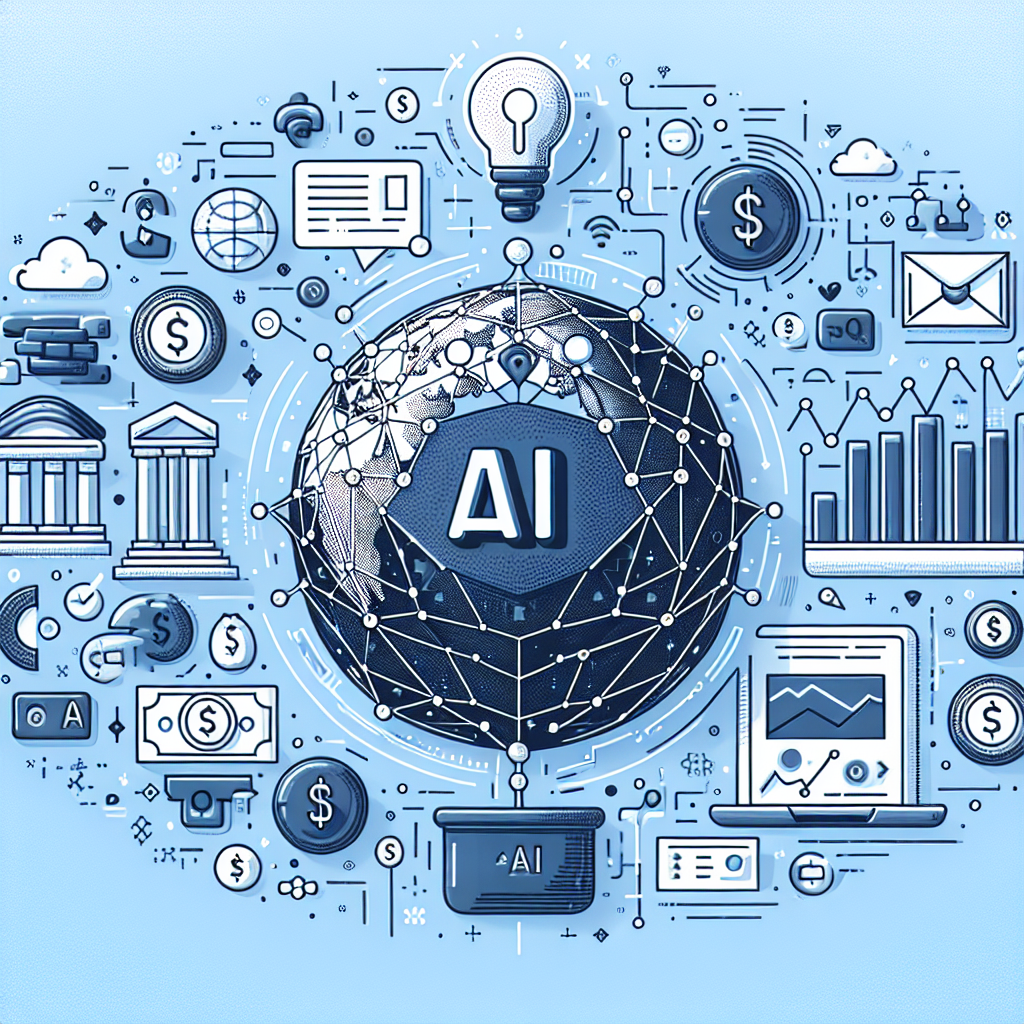
Artificial Intelligence (AI) has revolutionized the way businesses operate, and the banking industry is no exception. With the vast amount of data being generated in the banking sector, leveraging AI for predictive analytics has become a game-changer for financial institutions. By using advanced algorithms and machine learning techniques, banks can now analyze historical data to make accurate predictions about customer behavior, market trends, and potential risks. In this article, we will explore how banks are using AI for predictive analytics and the benefits it brings to the industry.
Predictive analytics in banking involves using historical data to make predictions about future events. By analyzing patterns and trends in customer behavior, banks can anticipate their needs and preferences, allowing them to tailor their services to meet those needs. This not only improves customer satisfaction but also helps banks to increase their revenue and reduce risks.
One of the key areas where AI is being leveraged for predictive analytics in banking is in customer relationship management. By analyzing customer data, banks can identify patterns in customer behavior and predict future actions. For example, AI algorithms can analyze transaction history to identify customers who are likely to churn and take proactive steps to retain them. This could involve offering personalized discounts or incentives to encourage them to stay with the bank.
Another area where AI is making a significant impact is in fraud detection. Banks are constantly under threat from cybercriminals who are becoming increasingly sophisticated in their methods. By using AI algorithms to analyze transaction data in real-time, banks can detect unusual patterns that may indicate fraudulent activity. This allows them to take immediate action to prevent the fraud from occurring and protect their customers’ assets.
AI is also being used in credit risk management to assess the creditworthiness of borrowers. By analyzing a wide range of data points, including credit history, income, and spending habits, banks can make more accurate predictions about the likelihood of a borrower defaulting on their loan. This allows them to offer loans to customers who are less likely to default and reduce the overall risk in their loan portfolio.
The benefits of leveraging AI for predictive analytics in banking are numerous. Firstly, it allows banks to make more informed decisions based on data-driven insights rather than gut feelings. This can lead to better financial performance and increased efficiency in operations. Secondly, AI can help banks to improve customer experience by offering personalized services and recommendations based on customer preferences. This can lead to higher customer satisfaction and loyalty. Lastly, AI can help banks to reduce risks by identifying potential threats and taking proactive measures to mitigate them.
Despite the many benefits of leveraging AI for predictive analytics in banking, there are also some challenges that banks need to overcome. One of the main challenges is data quality and availability. Banks need to ensure that they have access to high-quality data that is relevant to the predictive analytics process. This may require investing in data management systems and processes to ensure that data is accurate and up-to-date.
Another challenge is the need for skilled data scientists and analysts who can interpret the results of the predictive analytics process. Banks need to invest in training their staff or hiring external experts to ensure that they can make sense of the data and use it effectively to make informed decisions.
Overall, leveraging AI for predictive analytics in banking has the potential to transform the industry and drive innovation. By harnessing the power of advanced algorithms and machine learning techniques, banks can gain valuable insights into customer behavior, market trends, and potential risks. This allows them to make more informed decisions, improve customer experience, and reduce risks. As AI continues to evolve, we can expect to see even more advanced applications of predictive analytics in banking that will further revolutionize the industry.
FAQs:
Q: How can banks ensure the security of customer data when using AI for predictive analytics?
A: Banks need to invest in robust security measures to protect customer data from cyber threats. This may involve using encryption techniques, implementing access controls, and regularly monitoring for unusual activity.
Q: Can AI algorithms be biased in their predictions?
A: Yes, AI algorithms can be biased if they are trained on biased data. Banks need to be mindful of this and take steps to ensure that their algorithms are fair and unbiased.
Q: What are some of the ethical considerations when using AI for predictive analytics in banking?
A: Banks need to consider issues such as data privacy, transparency, and accountability when using AI for predictive analytics. They should be transparent with customers about how their data is being used and take steps to ensure that their algorithms are fair and unbiased.
Q: How can banks measure the success of their predictive analytics initiatives?
A: Banks can measure the success of their predictive analytics initiatives by tracking key performance indicators such as customer satisfaction, revenue growth, and risk reduction. They can also conduct regular audits to assess the accuracy and effectiveness of their algorithms.