
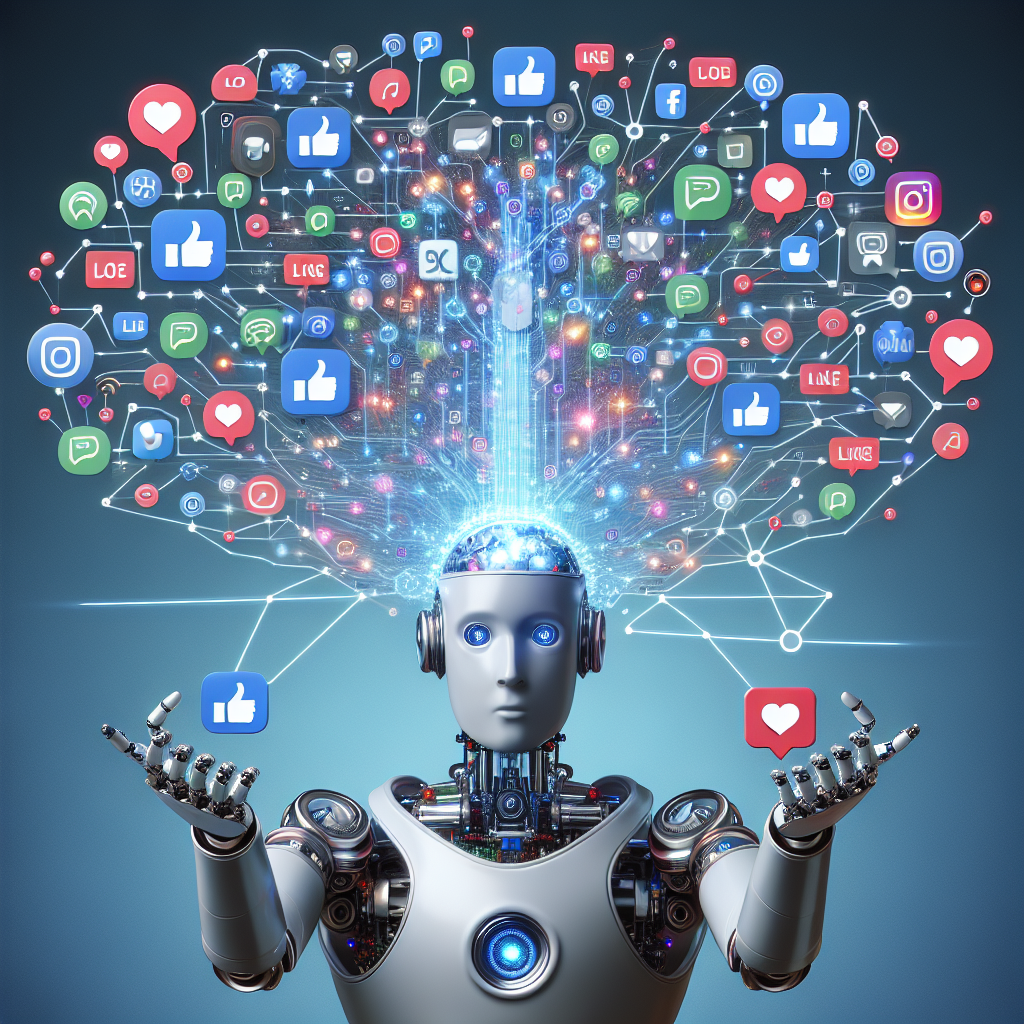
AI and Social Media: The Future is Now
Artificial Intelligence (AI) has become an integral part of our daily lives, impacting various industries including social media. The combination of AI and social media has revolutionized the way we connect, communicate, and consume information. From personalized recommendations to automated customer service, AI has enhanced the user experience and transformed the way brands engage with their audience. In this article, we will explore the role of AI in social media, its benefits and challenges, and how it is shaping the future of digital marketing.
The Role of AI in Social Media
AI technologies such as machine learning, natural language processing, and computer vision have enabled social media platforms to analyze vast amounts of data, predict user behavior, and deliver personalized content. These technologies power algorithms that determine what content users see on their feed, recommend products, and target advertisements. AI also plays a crucial role in content moderation, detecting and removing harmful or inappropriate content such as hate speech, fake news, and spam.
One of the most significant applications of AI in social media is sentiment analysis, which involves analyzing user-generated content to determine the sentiment or emotion behind it. This allows brands to understand how their audience feels about their products or services, identify potential issues, and tailor their marketing strategies accordingly. Sentiment analysis can also help brands identify influencers or brand advocates who can help promote their products to a wider audience.
AI-powered chatbots are another popular application of AI in social media. These virtual assistants can engage with users in real-time, answer their questions, and provide personalized recommendations. Chatbots are used for customer service, lead generation, and even sales, providing a seamless and efficient communication channel for brands and users.
Benefits of AI in Social Media
The integration of AI in social media offers numerous benefits for both users and brands. For users, AI-powered algorithms can personalize their feed based on their interests, preferences, and behavior, ensuring that they see relevant and engaging content. AI also enables users to discover new products and services that match their needs, preferences, and budget, making shopping and decision-making easier.
For brands, AI provides valuable insights into consumer behavior, helping them understand their audience better and tailor their marketing strategies accordingly. AI-powered analytics tools can track key metrics such as engagement, reach, and conversion rates, allowing brands to measure the effectiveness of their social media campaigns and make data-driven decisions. AI also enables brands to automate repetitive tasks such as scheduling posts, responding to comments, and analyzing performance, freeing up time for more strategic activities.
Challenges of AI in Social Media
While AI offers a wide range of benefits for social media, it also presents several challenges that need to be addressed. One of the main concerns is the potential for bias in AI algorithms, which can lead to discrimination, misinformation, and unethical practices. AI algorithms are trained on historical data, which may contain biases that can perpetuate stereotypes or marginalize certain groups. It is essential for developers and organizations to ensure that AI systems are trained on diverse and representative data sets to minimize bias and promote fairness and equality.
Another challenge is the issue of data privacy and security. AI algorithms rely on vast amounts of user data to personalize content and make recommendations, raising concerns about data privacy and unauthorized access. It is crucial for social media platforms to implement robust security measures, such as encryption, authentication, and access controls, to protect user data from cyberattacks and breaches. Users should also be informed about how their data is collected, used, and shared, and given the option to opt-out or delete their data if they choose.
The Future of AI in Social Media
Despite the challenges, the future of AI in social media looks promising, with continued advancements in technology and innovation. As AI algorithms become more sophisticated and powerful, they will be able to deliver even more personalized and engaging experiences for users, driving higher levels of engagement and loyalty. AI will also enable brands to create more targeted and effective marketing campaigns, reaching the right audience with the right message at the right time.
In the coming years, we can expect to see AI being used in new and innovative ways in social media. For example, AI-powered virtual influencers, such as Lil Miquela and Shudu, are becoming increasingly popular on platforms like Instagram, engaging with followers and promoting brands in a highly authentic and relatable way. These virtual influencers are created using computer-generated imagery and AI algorithms, blurring the lines between reality and virtuality.
FAQs
Q: How does AI enhance user experience on social media?
A: AI algorithms analyze user data to personalize content, recommend products, and target advertisements, ensuring that users see relevant and engaging content on their feed. AI-powered chatbots provide real-time assistance and personalized recommendations, enhancing the overall user experience.
Q: What are the benefits of using AI for social media marketing?
A: AI provides valuable insights into consumer behavior, enabling brands to understand their audience better and tailor their marketing strategies accordingly. AI-powered analytics tools track key metrics such as engagement, reach, and conversion rates, allowing brands to measure the effectiveness of their social media campaigns and make data-driven decisions.
Q: How can brands ensure that AI algorithms are unbiased?
A: Developers and organizations should ensure that AI systems are trained on diverse and representative data sets to minimize bias and promote fairness and equality. Regular audits and reviews of AI algorithms can help identify and address any biases that may arise.
Q: What are the privacy concerns associated with AI in social media?
A: AI algorithms rely on vast amounts of user data to personalize content and make recommendations, raising concerns about data privacy and unauthorized access. Social media platforms should implement robust security measures, such as encryption and authentication, to protect user data from cyberattacks and breaches.
In conclusion, AI has transformed the way we interact with social media, providing personalized experiences for users and valuable insights for brands. While there are challenges to overcome, the future of AI in social media looks promising, with continued advancements in technology and innovation. By leveraging the power of AI, social media platforms and brands can create more engaging, targeted, and effective experiences for users, shaping the future of digital marketing.