
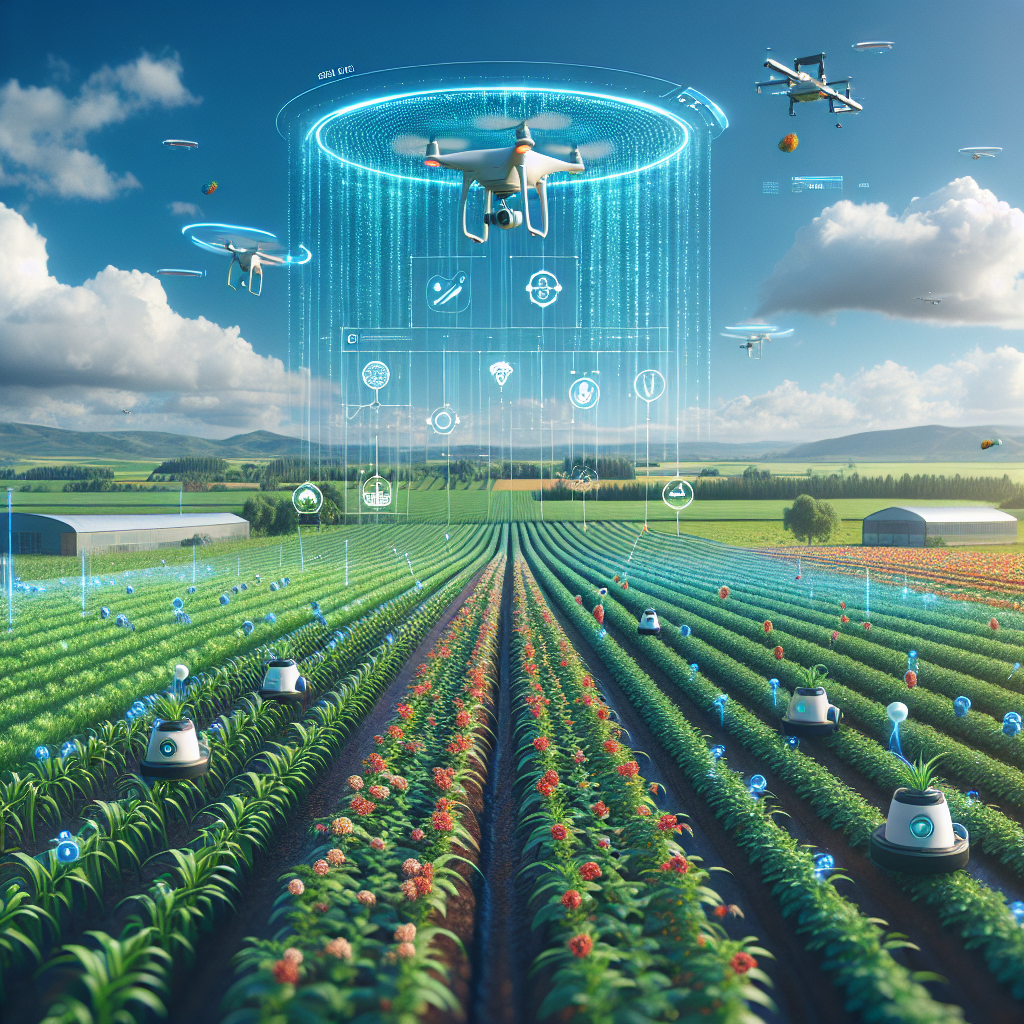
Artificial intelligence (AI) is revolutionizing the way we approach crop pest management. By leveraging AI-driven solutions, farmers can now detect and monitor pests more effectively, make data-driven decisions, and optimize the use of pesticides. In this article, we will explore the various AI-driven solutions available for enhancing crop pest management and how they can benefit farmers.
AI-powered Pest Detection and Monitoring
One of the main challenges in crop pest management is the timely detection and monitoring of pests. AI-powered solutions, such as computer vision and machine learning algorithms, can help farmers identify pests more accurately and quickly. These technologies can analyze images of crops taken from drones, satellites, or cameras installed in the field to detect signs of pest infestation.
For example, a machine learning algorithm can be trained to recognize specific patterns and shapes associated with different types of pests. By analyzing images of crops, the algorithm can identify the presence of pests and alert farmers in real-time. This early detection allows farmers to take immediate action to prevent the spread of pests and minimize crop damage.
AI-driven solutions can also monitor pest populations over time, providing farmers with valuable insights into pest behavior and trends. By tracking pest populations, farmers can make informed decisions about when and where to apply pesticides, reducing the risk of overusing chemicals and minimizing the impact on the environment.
Optimizing Pest Control Strategies
AI can also help farmers optimize their pest control strategies by providing personalized recommendations based on real-time data. By analyzing a combination of factors such as weather conditions, crop health, and pest populations, AI-driven solutions can suggest the most effective and sustainable pest control methods for each individual farm.
For example, an AI-powered system can analyze data from sensors installed in the field to determine the optimal timing and dosage of pesticides. By taking into account factors such as temperature, humidity, and wind speed, the system can recommend the best time to apply pesticides to maximize their effectiveness and minimize their impact on the environment.
AI can also help farmers identify alternative pest control methods, such as biological control or integrated pest management. By analyzing historical data and trends, AI-driven solutions can suggest innovative strategies to reduce pest populations while preserving the natural ecosystem.
Benefits of AI-driven Solutions for Crop Pest Management
There are several benefits of using AI-driven solutions for enhancing crop pest management:
1. Improved accuracy: AI-powered systems can analyze vast amounts of data with precision, providing farmers with accurate and reliable information about pest infestations and control strategies.
2. Cost-effective: By optimizing pest control strategies, AI-driven solutions can help farmers reduce the use of pesticides and minimize crop damage, leading to cost savings in the long run.
3. Sustainable farming practices: AI can help farmers adopt more sustainable pest control methods, reducing the environmental impact of agriculture and promoting biodiversity.
4. Increased productivity: By detecting pests early and optimizing pest control strategies, AI-driven solutions can help farmers increase their crop yields and overall productivity.
Frequently Asked Questions (FAQs)
Q: How can AI help farmers detect pests in their crops?
A: AI-powered solutions use computer vision and machine learning algorithms to analyze images of crops and identify signs of pest infestation. By analyzing images taken from drones, satellites, or cameras installed in the field, AI can detect pests more accurately and quickly than traditional methods.
Q: How can AI optimize pest control strategies for farmers?
A: AI-driven solutions can analyze a combination of factors such as weather conditions, crop health, and pest populations to provide personalized recommendations for pest control. By taking into account various factors, AI can suggest the most effective and sustainable pest control methods for each individual farm.
Q: Are AI-driven solutions cost-effective for farmers?
A: Yes, AI-driven solutions can help farmers reduce the use of pesticides and minimize crop damage, leading to cost savings in the long run. By optimizing pest control strategies, AI can help farmers achieve higher yields and increase their overall productivity.
Q: Can AI help farmers adopt more sustainable farming practices?
A: Yes, AI can help farmers adopt more sustainable pest control methods, such as integrated pest management or biological control. By analyzing data and trends, AI-driven solutions can suggest innovative strategies to reduce pest populations while preserving the natural ecosystem.
In conclusion, AI-driven solutions are transforming the way farmers approach crop pest management. By leveraging the power of AI, farmers can detect pests more accurately, optimize pest control strategies, and adopt more sustainable farming practices. With the help of AI, farmers can increase their crop yields, reduce the environmental impact of agriculture, and promote biodiversity. In the future, we can expect to see even more advanced AI-driven solutions that will further enhance crop pest management and revolutionize the agricultural industry.