
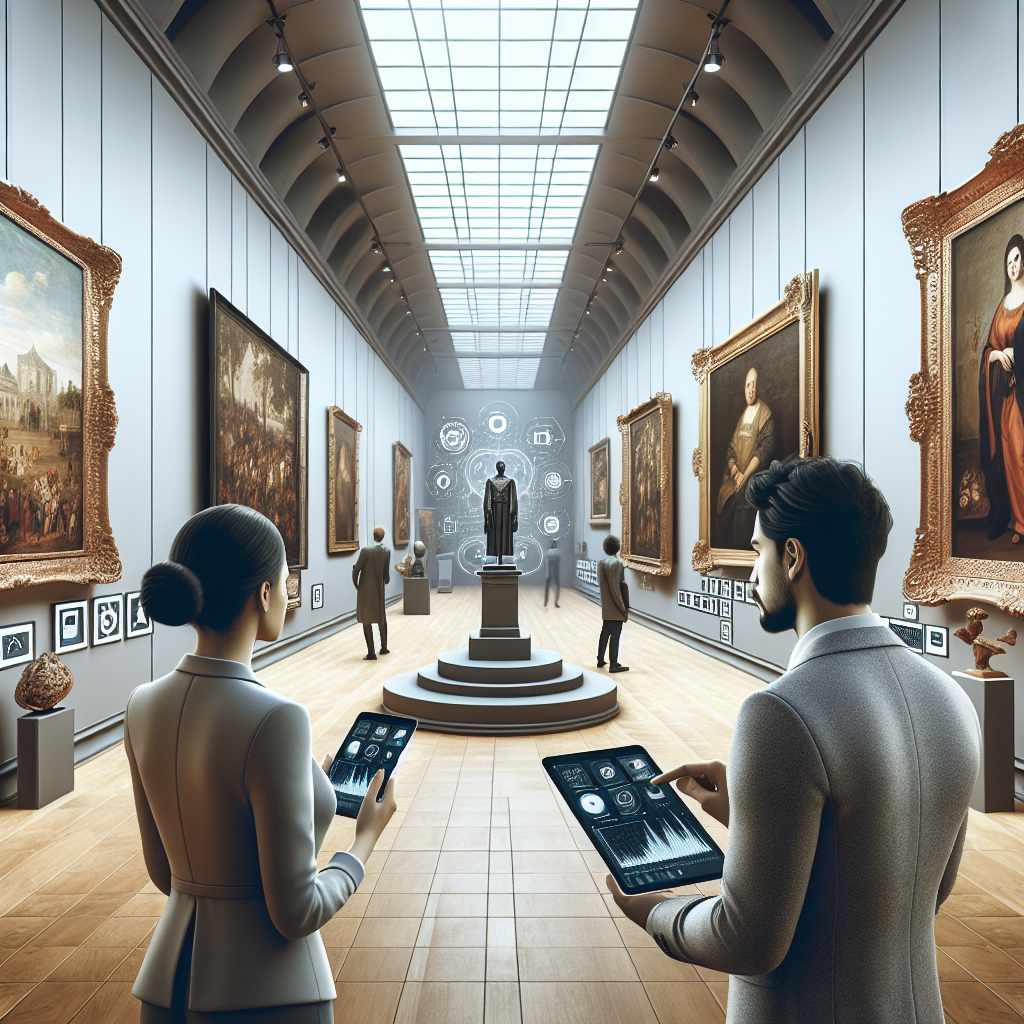
In today’s fast-paced digital world, businesses are constantly looking for ways to gain a competitive edge. One way that companies are increasingly turning to is the use of AI-powered insights for art and culture analytics in business intelligence. By leveraging the power of artificial intelligence, businesses can gain valuable insights into consumer preferences, trends, and behaviors in the art and culture sector.
Art and culture analytics is a growing field that focuses on using data and analytics to understand the impact of art and culture on society, as well as how businesses can leverage this information to drive growth and innovation. By analyzing data from various sources such as social media, sales data, and consumer surveys, businesses can gain a better understanding of their target audience and tailor their products and services to meet their needs.
AI-powered insights play a crucial role in this process by helping businesses uncover patterns and trends in the data that would be difficult, if not impossible, to identify through traditional methods. By using machine learning algorithms, businesses can analyze large volumes of data quickly and accurately, providing them with actionable insights that can drive strategic decision-making.
One of the key benefits of using AI-powered insights for art and culture analytics in business intelligence is the ability to personalize the customer experience. By understanding consumer preferences and behaviors, businesses can create targeted marketing campaigns that resonate with their target audience. For example, a museum may use data analytics to identify which exhibits are most popular with visitors and tailor their marketing efforts accordingly.
AI-powered insights can also help businesses identify emerging trends in the art and culture sector, allowing them to stay ahead of the competition and capitalize on new opportunities. By analyzing social media data, businesses can track conversations and sentiment around certain artists, exhibitions, or cultural events, giving them valuable insights into what is resonating with consumers.
Furthermore, AI-powered insights can help businesses optimize their operations and improve efficiency. By analyzing sales data, businesses can identify which products are selling well and which are underperforming, allowing them to make informed decisions about inventory management and pricing strategies. This can lead to cost savings and increased profitability for businesses in the art and culture sector.
In addition to these benefits, AI-powered insights can also help businesses better understand the impact of art and culture on society. By analyzing data on cultural events, exhibitions, and performances, businesses can gain insights into how art and culture influence consumer behavior and attitudes. This information can help businesses create more meaningful and impactful experiences for their customers, leading to increased brand loyalty and customer satisfaction.
Overall, AI-powered insights for art and culture analytics in business intelligence have the potential to revolutionize the way businesses in the art and culture sector operate. By leveraging the power of artificial intelligence, businesses can gain valuable insights into consumer preferences, trends, and behaviors, allowing them to make data-driven decisions that drive growth and innovation.
FAQs:
Q: How can businesses in the art and culture sector benefit from AI-powered insights?
A: Businesses in the art and culture sector can benefit from AI-powered insights by gaining valuable insights into consumer preferences, trends, and behaviors. This information can help businesses personalize the customer experience, identify emerging trends, optimize operations, and better understand the impact of art and culture on society.
Q: What types of data can be analyzed using AI-powered insights for art and culture analytics?
A: Businesses can analyze a wide range of data sources using AI-powered insights, including social media data, sales data, consumer surveys, and data on cultural events and exhibitions. By analyzing this data, businesses can gain valuable insights into consumer preferences and behaviors in the art and culture sector.
Q: How can businesses leverage AI-powered insights to personalize the customer experience?
A: By analyzing data on consumer preferences and behaviors, businesses can create targeted marketing campaigns that resonate with their target audience. This can help businesses personalize the customer experience and drive customer loyalty and satisfaction.
Q: How can businesses use AI-powered insights to identify emerging trends in the art and culture sector?
A: By analyzing social media data and other sources of data, businesses can track conversations and sentiment around certain artists, exhibitions, or cultural events. This can help businesses identify emerging trends and capitalize on new opportunities in the art and culture sector.
Q: What are some examples of how businesses have successfully used AI-powered insights for art and culture analytics?
A: Some businesses have successfully used AI-powered insights to personalize the customer experience, optimize operations, and identify emerging trends in the art and culture sector. For example, museums have used data analytics to identify popular exhibits and tailor their marketing efforts accordingly, leading to increased visitor engagement and satisfaction.