
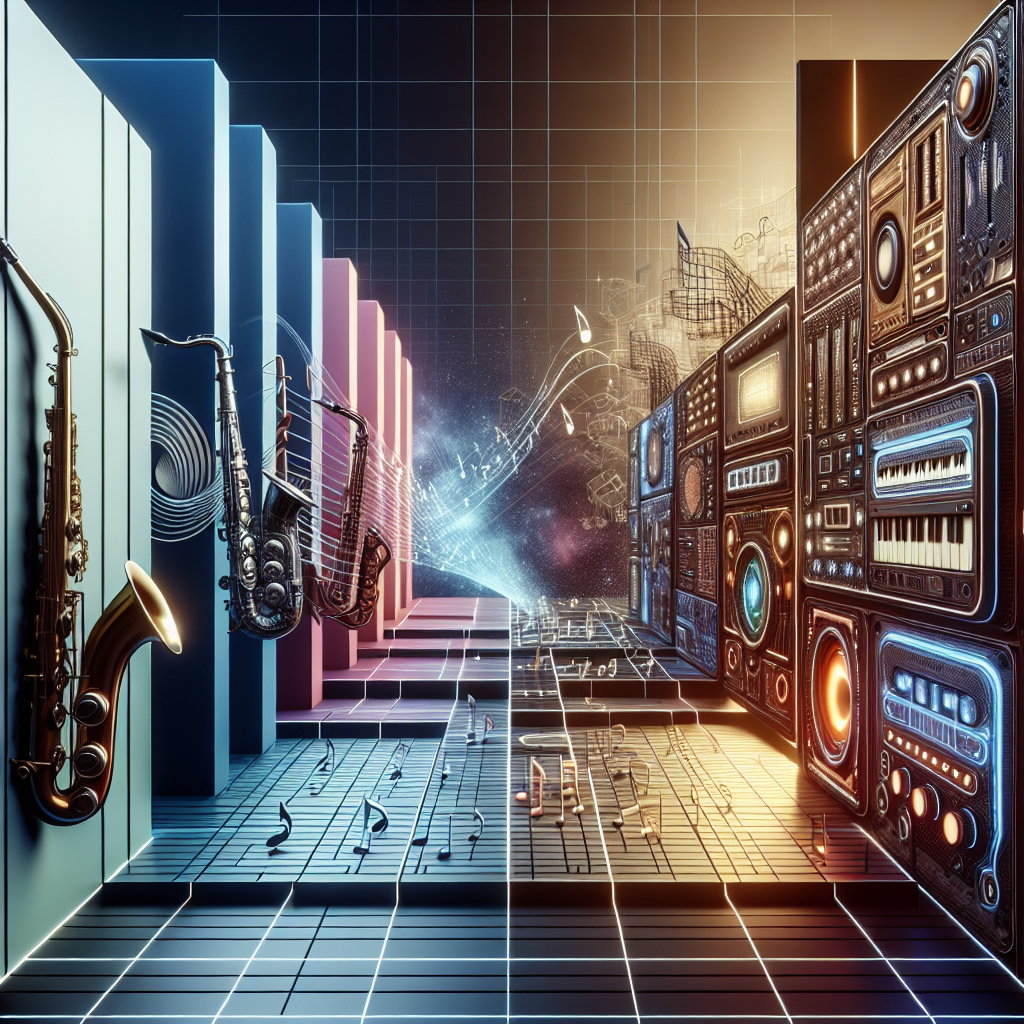
The Benefits of AI in Music Industry
Artificial Intelligence (AI) has revolutionized many industries, and the music industry is no exception. With the ability to analyze vast amounts of data and create unique compositions, AI is changing the way music is created, distributed, and consumed. In this article, we will explore the benefits of AI in the music industry and how it is shaping the future of music.
1. Songwriting and Composition
One of the most significant benefits of AI in the music industry is its ability to help with songwriting and composition. AI algorithms can analyze existing songs and trends to create new melodies, harmonies, and lyrics. This can be a valuable tool for songwriters looking for inspiration or struggling to come up with new ideas.
AI can also help with the composition process by generating chord progressions, arranging instrumentation, and even mixing and mastering tracks. This can save musicians time and money by automating tasks that would typically require a team of professionals.
2. Personalized Music Recommendations
AI algorithms are also being used to improve music recommendation systems. By analyzing user data and listening habits, AI can create personalized playlists and recommendations tailored to each individual’s tastes. This can help music streaming services like Spotify and Apple Music retain customers and keep them engaged with new music.
AI can also help artists and record labels better understand their audience and target their marketing efforts more effectively. By analyzing social media data and listening patterns, AI can identify trends and preferences that can inform promotional strategies and help artists reach new fans.
3. Music Production and Editing
AI technology is also being used to improve the production and editing of music. AI algorithms can analyze audio files to remove background noise, enhance vocals, and even create new sounds and effects. This can help musicians and producers achieve a polished and professional sound without the need for expensive equipment or extensive training.
AI can also help with the editing process by automating tasks like pitch correction, time alignment, and tempo adjustments. This can save musicians time and allow them to focus on the creative aspects of music production.
4. Copyright Protection
AI technology is also being used to protect artists’ intellectual property and prevent copyright infringement. By analyzing music files and comparing them to existing databases, AI algorithms can identify unauthorized use of copyrighted material and help artists enforce their rights.
AI can also help with licensing and royalty payments by tracking the use of music across various platforms and ensuring that artists are properly compensated for their work. This can help artists and record labels protect their revenue streams and ensure that their music is used legally and ethically.
5. Live Performances
AI technology is even being used to enhance live performances and create interactive experiences for audiences. AI-powered lighting and visual effects can synchronize with music to create immersive and engaging shows. AI can also be used to analyze audience reactions and adjust the performance in real-time to create a more dynamic and personalized experience.
FAQs
1. How is AI used in music creation?
AI is used in music creation by analyzing existing songs and trends to generate new melodies, harmonies, and lyrics. AI algorithms can also help with composition by creating chord progressions, arranging instrumentation, and even mixing and mastering tracks.
2. How does AI improve music recommendation systems?
AI improves music recommendation systems by analyzing user data and listening habits to create personalized playlists and recommendations tailored to each individual’s tastes. This helps music streaming services retain customers and keep them engaged with new music.
3. How can AI help with music production and editing?
AI can help with music production and editing by analyzing audio files to remove background noise, enhance vocals, and create new sounds and effects. AI algorithms can also automate tasks like pitch correction, time alignment, and tempo adjustments to save musicians time and improve the quality of their recordings.
4. How does AI protect artists’ intellectual property?
AI protects artists’ intellectual property by analyzing music files to identify unauthorized use of copyrighted material and prevent copyright infringement. AI can also help with licensing and royalty payments by tracking the use of music across various platforms and ensuring that artists are properly compensated for their work.
5. How is AI used in live performances?
AI is used in live performances to enhance shows with synchronized lighting and visual effects that create immersive and engaging experiences for audiences. AI can also analyze audience reactions and adjust the performance in real-time to create a more dynamic and personalized experience.
In conclusion, AI is transforming the music industry in many ways, from helping with songwriting and composition to improving music recommendation systems and protecting artists’ intellectual property. As AI technology continues to evolve, we can expect to see even more innovation and creativity in music creation, distribution, and consumption. The future of music is bright with AI leading the way.