
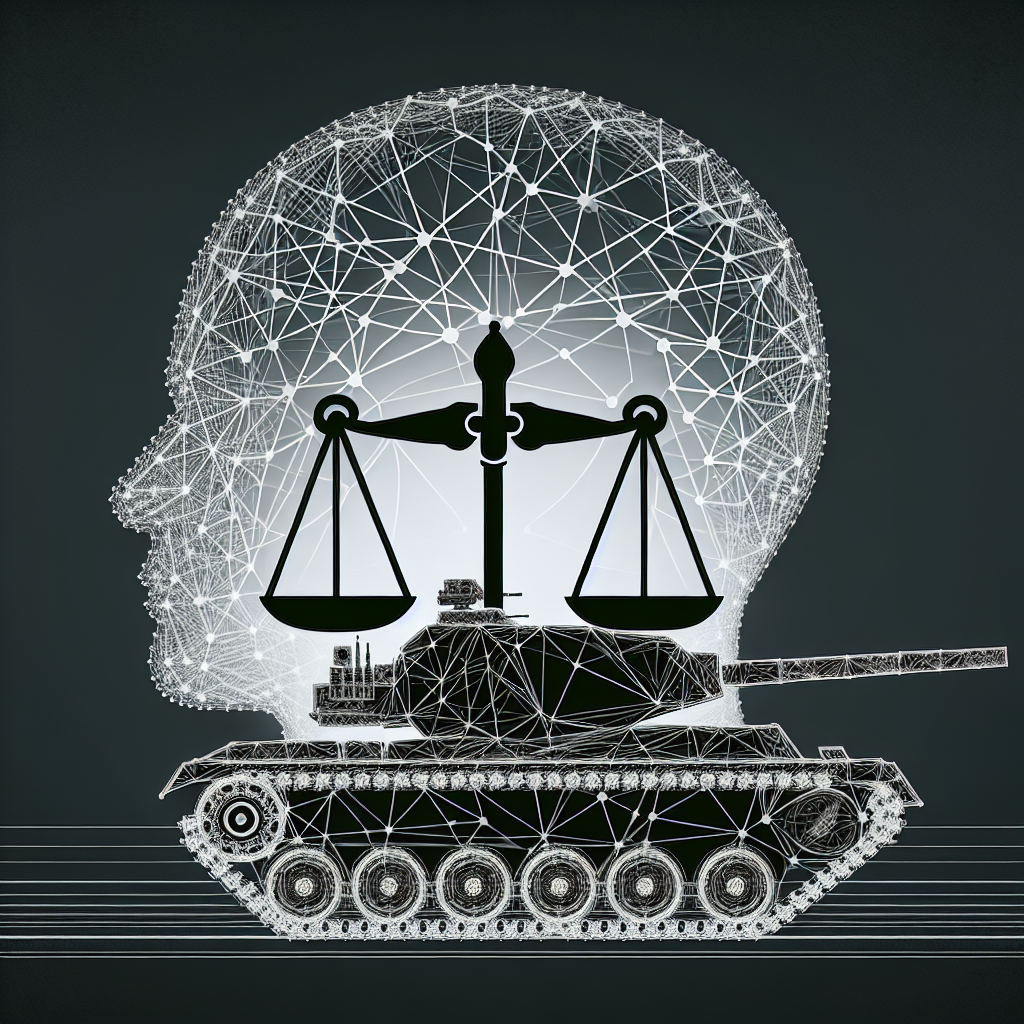
The use of artificial intelligence (AI) in warfare has raised many ethical considerations and concerns. As AI technology continues to advance, it is becoming increasingly integrated into military operations, raising questions about the implications of using AI in conflict. In this article, we will explore the ethical considerations of AI in warfare and discuss the potential implications of its use.
One of the main ethical considerations surrounding AI in warfare is the issue of autonomy and human control. AI systems have the potential to make decisions and carry out actions independently, raising concerns about the lack of human oversight and accountability in military operations. There is a fear that autonomous AI systems could lead to a loss of human control over the decision-making process, potentially resulting in unintended consequences and violations of ethical norms.
Another ethical consideration is the issue of accountability and responsibility. In the event of an AI system making a mistake or committing a war crime, it can be difficult to assign blame and hold individuals accountable for their actions. This raises questions about the legal and ethical implications of using AI in warfare and the potential for accountability gaps in the event of misconduct.
Additionally, there are concerns about the potential for bias and discrimination in AI systems used in warfare. AI algorithms are trained on large datasets, which can contain biases and prejudices that can be perpetuated in the decision-making process. This raises questions about the fairness and equity of AI systems in warfare and the potential for discriminatory outcomes.
Furthermore, there are concerns about the potential for AI systems to escalate conflicts and increase the likelihood of violence. AI technology has the potential to make military operations more efficient and effective, but it also raises questions about the potential for AI to be used in ways that increase the likelihood of conflict and violence. There is a fear that the use of AI in warfare could lead to an arms race and the proliferation of autonomous weapons systems, potentially increasing the likelihood of conflict and casualties.
In light of these ethical considerations, there have been calls for the development of international regulations and norms to govern the use of AI in warfare. Organizations such as the United Nations and the International Committee of the Red Cross have called for a ban on autonomous weapons systems and have advocated for the development of ethical guidelines for the use of AI in conflict. These efforts are aimed at promoting transparency, accountability, and human oversight in the use of AI in warfare and ensuring that ethical considerations are taken into account in military operations.
In conclusion, the ethical considerations of AI in warfare are complex and multifaceted. There are concerns about autonomy, accountability, bias, and escalation, all of which raise important questions about the implications of using AI in conflict. As AI technology continues to advance, it is important for policymakers, military leaders, and ethicists to consider these ethical considerations and work towards developing regulations and guidelines to ensure that the use of AI in warfare is conducted in a responsible and ethical manner.
FAQs:
Q: What are some examples of AI systems used in warfare?
A: Some examples of AI systems used in warfare include autonomous drones, unmanned ground vehicles, and AI-powered surveillance and reconnaissance systems.
Q: How can bias and discrimination be mitigated in AI systems used in warfare?
A: Bias and discrimination in AI systems can be mitigated through the use of diverse and representative datasets, transparent algorithms, and regular audits and reviews of AI systems to ensure fairness and equity.
Q: What are some potential benefits of using AI in warfare?
A: Some potential benefits of using AI in warfare include increased efficiency, effectiveness, and precision in military operations, as well as the potential to reduce casualties and civilian harm.
Q: How can accountability be ensured in the use of AI in warfare?
A: Accountability in the use of AI in warfare can be ensured through the development of clear guidelines and regulations, human oversight and control over AI systems, and mechanisms for holding individuals responsible for the actions of AI systems.