
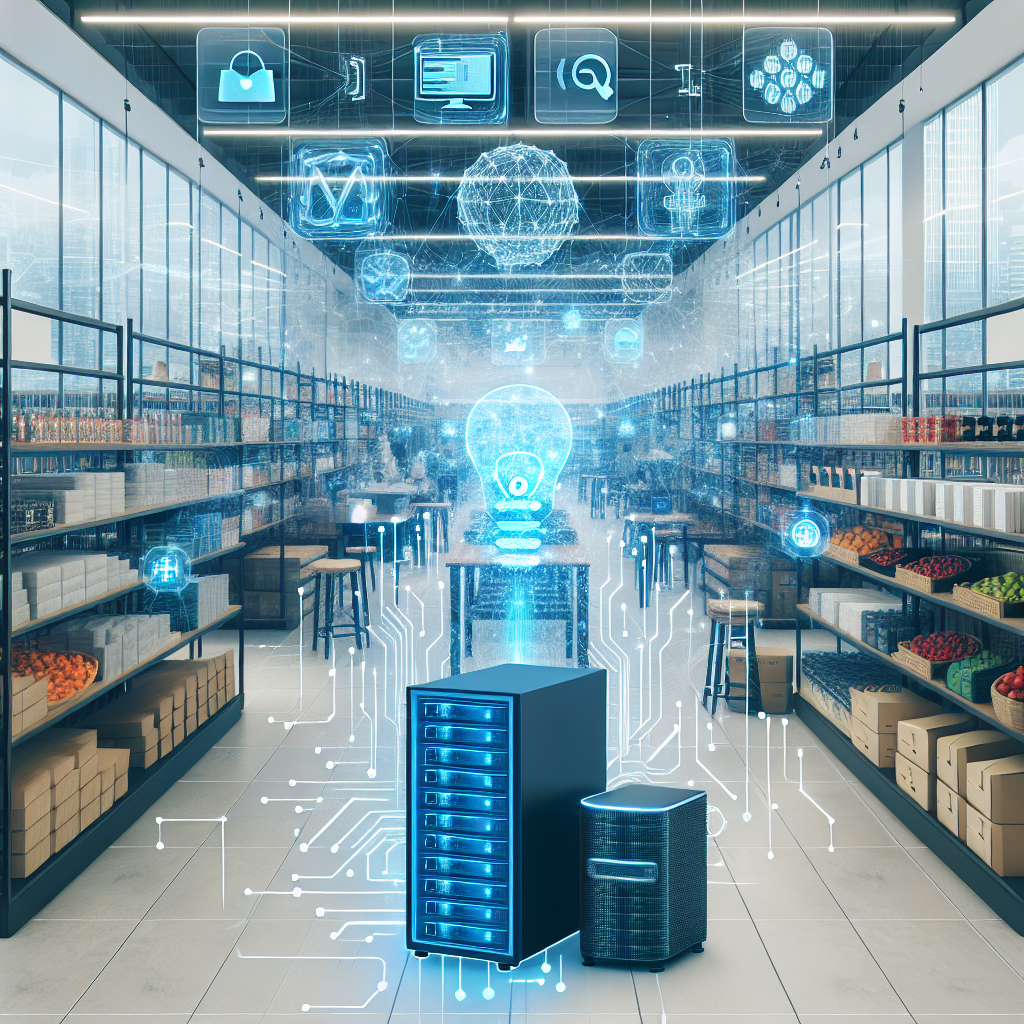
In today’s rapidly evolving retail landscape, staying competitive and meeting customer expectations requires retailers to adopt cutting-edge technologies. One such technology that is revolutionizing the retail industry is artificial intelligence (AI). AI has the potential to enhance retail operations in numerous ways, from improving customer service to optimizing inventory management. In this article, we will explore how AI is transforming the retail sector and the benefits it can offer to retailers.
One of the key areas where AI can make a significant impact on retail operations is in customer service. AI-powered chatbots and virtual assistants can provide customers with personalized recommendations, answer their queries, and assist them in making purchasing decisions. These AI-driven solutions can operate 24/7, providing round-the-clock customer support and improving the overall shopping experience for customers. By leveraging AI for customer service, retailers can increase customer satisfaction and loyalty, leading to higher sales and revenue.
AI can also help retailers optimize their inventory management processes. By analyzing historical sales data, market trends, and other relevant factors, AI algorithms can predict demand for products with a high degree of accuracy. This enables retailers to stock the right products in the right quantities, reducing the risk of overstocking or stockouts. AI can also help retailers identify slow-moving or obsolete inventory, allowing them to take proactive measures to clear out excess stock and maximize profitability.
Furthermore, AI can enhance the efficiency of supply chain management in the retail industry. By analyzing real-time data from various sources, such as weather forecasts, traffic conditions, and supplier performance metrics, AI algorithms can optimize supply chain operations and improve the overall performance of the retail supply chain. This can lead to reduced lead times, lower transportation costs, and improved inventory turnover rates, ultimately driving greater profitability for retailers.
Another area where AI can add value to retail operations is in pricing and promotions. AI-powered algorithms can analyze pricing trends, competitor pricing strategies, and customer buying behavior to recommend optimal pricing strategies for retailers. By dynamically adjusting prices based on real-time market conditions, retailers can maximize revenue while remaining competitive in the market. AI can also help retailers design targeted promotions and discounts to drive sales and attract new customers.
In addition to enhancing customer service, inventory management, supply chain operations, and pricing strategies, AI can also improve the overall efficiency of retail operations. For example, AI-powered predictive analytics can forecast sales trends, helping retailers allocate resources more effectively and make informed business decisions. AI can also automate routine tasks, such as data entry and order processing, freeing up employees to focus on more strategic initiatives. By streamlining operations and increasing productivity, AI can help retailers achieve greater operational efficiency and profitability.
Despite the numerous benefits that AI can offer to retailers, there are some challenges and considerations that need to be taken into account when implementing AI solutions in retail operations. For example, retailers need to ensure that they have access to high-quality data to train AI algorithms effectively. They also need to invest in the right infrastructure and technology to support AI initiatives. Additionally, retailers need to consider the ethical implications of using AI, such as data privacy and security concerns.
Overall, AI has the potential to revolutionize retail operations and drive significant value for retailers. By leveraging AI for customer service, inventory management, supply chain operations, pricing strategies, and overall operational efficiency, retailers can enhance the shopping experience for customers, increase profitability, and stay ahead of the competition in today’s competitive retail landscape.
FAQs
Q: How can AI improve customer service in retail operations?
A: AI-powered chatbots and virtual assistants can provide personalized recommendations, answer customer queries, and assist in making purchasing decisions, leading to improved customer satisfaction and loyalty.
Q: How can AI optimize inventory management in retail operations?
A: By analyzing historical sales data, market trends, and other relevant factors, AI algorithms can predict demand for products with a high degree of accuracy, enabling retailers to stock the right products in the right quantities and reduce the risk of overstocking or stockouts.
Q: How can AI enhance supply chain management in retail operations?
A: AI algorithms can analyze real-time data from various sources to optimize supply chain operations, reduce lead times, lower transportation costs, and improve inventory turnover rates, ultimately driving greater profitability for retailers.
Q: What are some challenges of implementing AI in retail operations?
A: Retailers need to ensure they have access to high-quality data, invest in the right infrastructure and technology, and consider ethical implications such as data privacy and security concerns when implementing AI solutions in retail operations.