
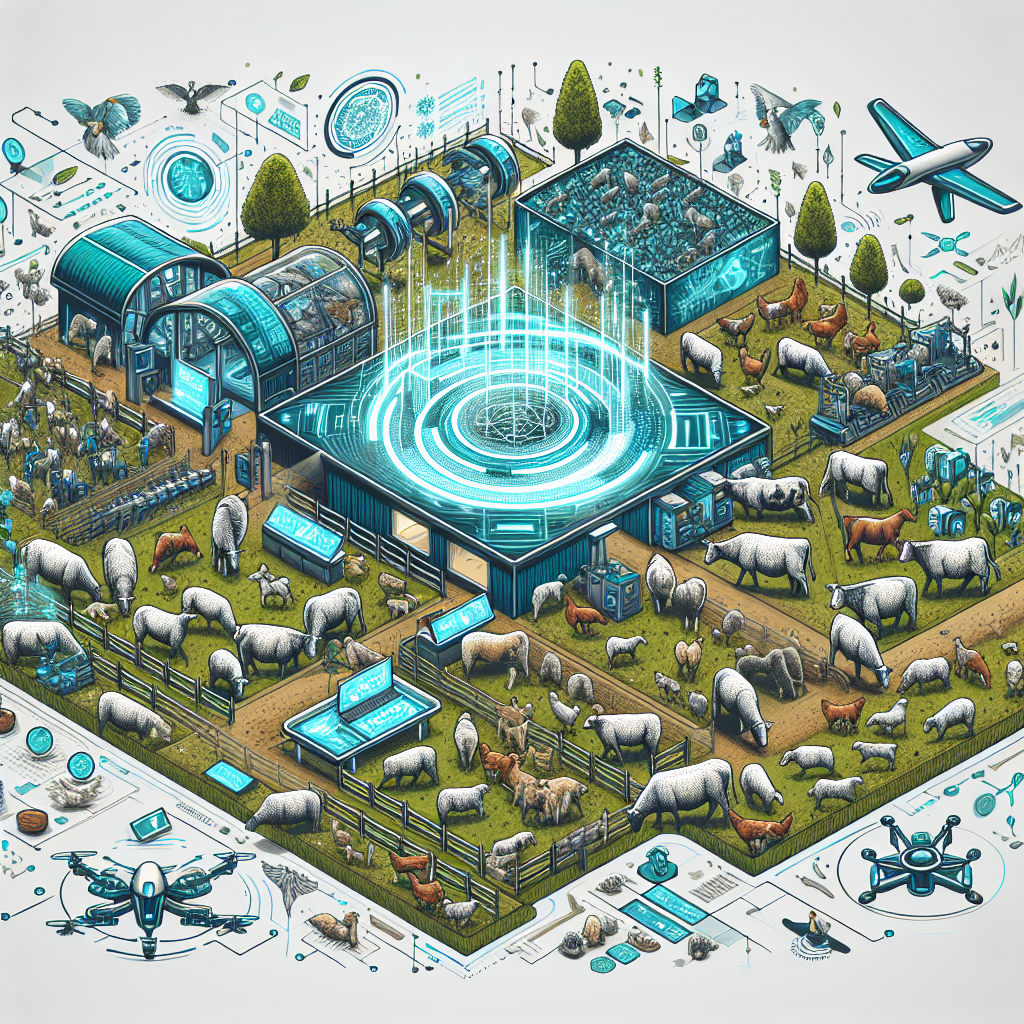
In recent years, the use of artificial intelligence (AI) in the agricultural industry has increased significantly, particularly in the area of livestock disease control. AI technologies such as machine learning, computer vision, and natural language processing have proven to be valuable tools in helping farmers and veterinarians manage and prevent diseases in livestock more effectively. In this article, we will explore the various applications of AI in enhancing livestock disease control and how these technologies are revolutionizing the way we approach animal health.
AI Applications in Livestock Disease Control
1. Disease Detection and Diagnosis: One of the primary applications of AI in livestock disease control is in the early detection and diagnosis of diseases. Machine learning algorithms can analyze data from various sources, such as sensor data, medical records, and genetic information, to identify patterns and trends that may indicate the presence of a disease. This can help farmers and veterinarians detect diseases in their early stages, allowing for prompt treatment and containment.
2. Predictive Analytics: AI can also be used to predict the likelihood of disease outbreaks in livestock populations. By analyzing historical data and environmental factors, machine learning algorithms can forecast the risk of diseases such as foot-and-mouth disease, avian influenza, and swine flu. This information can help farmers take preventive measures to reduce the impact of potential outbreaks and minimize economic losses.
3. Precision Livestock Farming: AI technologies are also being used in precision livestock farming, where sensors and cameras are deployed to monitor the health and behavior of individual animals in real-time. By analyzing this data, AI systems can detect deviations from normal behavior or health parameters, allowing farmers to intervene early and prevent the spread of diseases within the herd.
4. Vaccine Development: AI is playing a crucial role in accelerating the development of vaccines for livestock diseases. By analyzing genetic data and simulating the behavior of pathogens, AI can help researchers identify potential vaccine candidates and optimize their efficacy. This can lead to the development of more effective vaccines that can protect livestock against a wide range of diseases.
5. Disease Tracking and Monitoring: AI technologies can track the movement of livestock and monitor their health status in real-time. By analyzing data from GPS trackers, sensors, and satellite imagery, AI systems can identify potential disease hotspots and provide early warning alerts to farmers and veterinarians. This allows for targeted interventions and containment measures to be implemented quickly and effectively.
FAQs
Q: How accurate are AI algorithms in detecting livestock diseases?
A: AI algorithms have shown high levels of accuracy in detecting livestock diseases, with some studies reporting accuracy rates of over 90%. However, the accuracy of AI systems can vary depending on the quality and quantity of data used for training, as well as the complexity of the disease being detected.
Q: Can AI technologies replace the role of veterinarians in livestock disease control?
A: While AI technologies can assist veterinarians in disease control efforts, they are not intended to replace the expertise of trained professionals. Veterinarians play a crucial role in interpreting AI-generated data, making treatment decisions, and implementing disease control measures on the ground.
Q: How accessible are AI technologies for small-scale farmers?
A: The cost of implementing AI technologies for disease control in livestock can vary depending on the complexity of the system and the scale of operation. While some AI solutions may be more affordable and accessible for large-scale commercial farms, there are also simpler and more cost-effective options available for small-scale farmers.
Q: Are there any ethical concerns associated with the use of AI in livestock disease control?
A: As with any technology, the use of AI in livestock disease control raises ethical considerations, such as data privacy, algorithm bias, and the potential for job displacement. It is important for stakeholders to address these concerns proactively and ensure that AI is used responsibly and ethically in the agricultural industry.
In conclusion, AI technologies have the potential to revolutionize the way we approach livestock disease control, enabling farmers and veterinarians to detect, prevent, and manage diseases more effectively. By leveraging the power of AI in disease detection, predictive analytics, precision farming, vaccine development, and disease tracking, we can improve animal health outcomes, reduce economic losses, and ensure the sustainability of the livestock industry for future generations.