
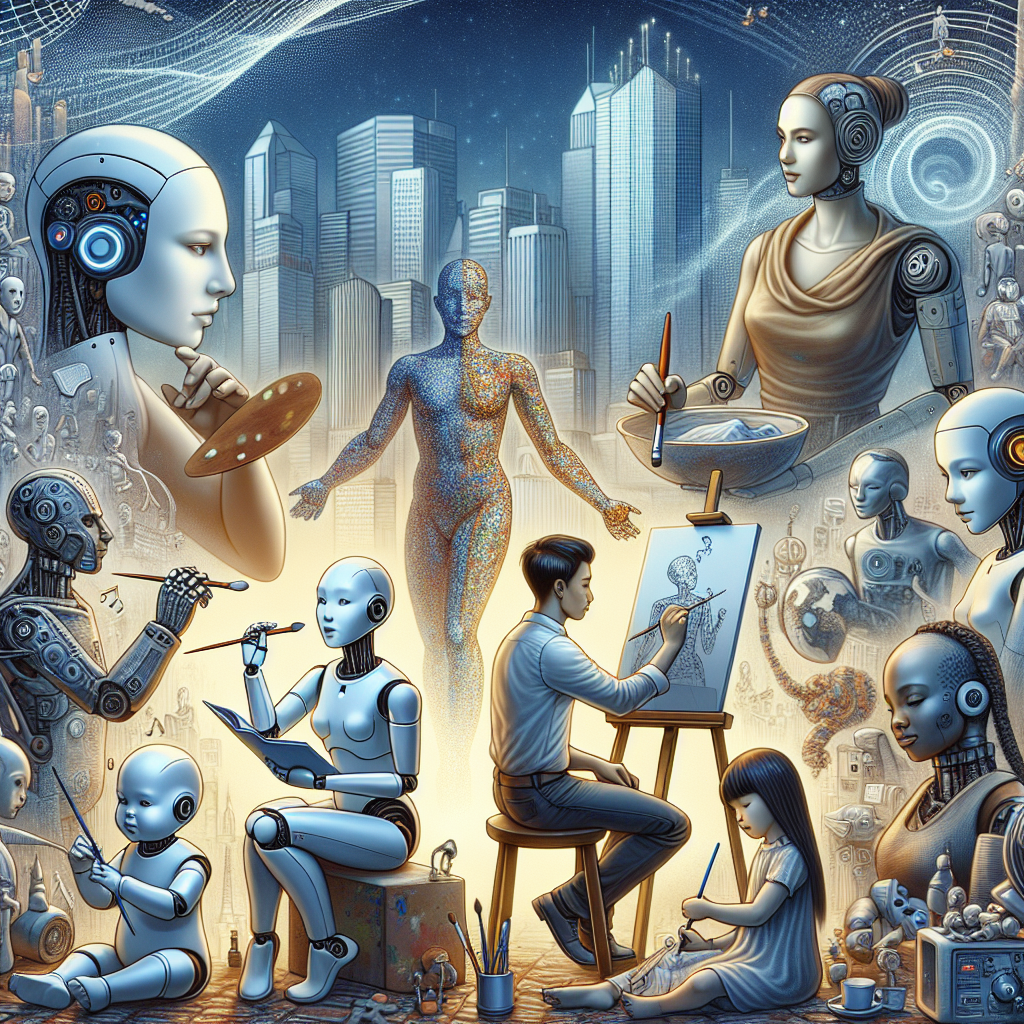
The Creative Side of AI: How Technology is Inspiring Innovation
Artificial intelligence (AI) has been a transformative force in many industries, from healthcare to finance to entertainment. But one of the most exciting aspects of AI is its ability to inspire creativity and innovation. With AI tools and technologies, artists, designers, and creators are pushing the boundaries of what’s possible and redefining the creative process. In this article, we’ll explore how AI is fueling innovation in the creative industry and what the future holds for AI-driven creativity.
AI in the Creative Industry
AI is revolutionizing the creative industry in a number of ways, from helping artists and designers generate new ideas to assisting in the creation process itself. One of the most prominent applications of AI in the creative industry is in the field of generative art. Generative art is a form of art that is created using algorithms and AI, allowing artists to explore new forms, patterns, and structures that would be impossible to create by hand.
In addition to generative art, AI is also being used in fields such as graphic design, music composition, and fashion design. For example, AI-powered design tools can help designers create stunning visuals and graphics in a fraction of the time it would take using traditional methods. AI can also analyze data and trends to predict future design trends, helping designers stay ahead of the curve.
AI is also playing a significant role in music composition, with AI algorithms capable of generating melodies, harmonies, and rhythms that rival those created by human composers. AI-powered music composition tools can help musicians and composers explore new genres and styles, pushing the boundaries of what’s possible in music creation.
In the fashion industry, AI is being used to streamline the design process and create personalized clothing and accessories. AI-powered fashion design tools can analyze customer data and preferences to create custom designs that cater to individual tastes and styles. This level of personalization is revolutionizing the fashion industry and changing the way we think about clothing and accessories.
AI is also making its mark in the film and entertainment industry, with AI-powered tools helping filmmakers and animators create stunning visual effects and realistic animations. AI algorithms can analyze footage and generate realistic backgrounds, characters, and special effects, saving time and money in the production process.
The Future of AI-Driven Creativity
The future of AI-driven creativity is bright, with new technologies and tools constantly being developed to push the boundaries of what’s possible. As AI continues to evolve and improve, we can expect to see even more innovative applications of AI in the creative industry.
One exciting development is the use of AI in immersive experiences, such as virtual reality (VR) and augmented reality (AR). AI algorithms can analyze user behavior and preferences to create personalized and interactive experiences that engage and delight audiences. From interactive art installations to immersive storytelling experiences, AI is transforming the way we experience and interact with art and design.
Another exciting trend is the use of AI in collaborative creativity. AI-powered tools can help artists and designers collaborate on projects in real-time, regardless of their location. This level of collaboration is breaking down barriers and allowing creatives to work together in ways that were previously impossible.
AI is also being used to democratize creativity, making it more accessible to people of all skill levels. AI-powered design tools, for example, can help amateur designers create professional-looking graphics and visuals with ease. AI algorithms can also analyze user input and preferences to generate personalized recommendations and suggestions, helping creatives overcome creative blocks and generate new ideas.
FAQs
Q: How is AI being used in the creative industry?
A: AI is being used in a variety of ways in the creative industry, from generative art to music composition to fashion design. AI-powered tools and technologies are helping artists, designers, and creators push the boundaries of what’s possible and redefine the creative process.
Q: What are some examples of AI-driven creativity?
A: Some examples of AI-driven creativity include generative art, AI-powered design tools, music composition algorithms, and personalized fashion design. These applications of AI are revolutionizing the creative industry and inspiring new forms of art and design.
Q: What is the future of AI-driven creativity?
A: The future of AI-driven creativity is bright, with new technologies and tools constantly being developed to push the boundaries of what’s possible. We can expect to see even more innovative applications of AI in the creative industry, including immersive experiences, collaborative creativity, and democratized creativity.
In conclusion, AI is inspiring innovation in the creative industry in ways we never thought possible. From generative art to personalized fashion design to immersive experiences, AI is pushing the boundaries of creativity and redefining the creative process. As AI continues to evolve and improve, we can expect to see even more exciting developments in AI-driven creativity in the years to come.