
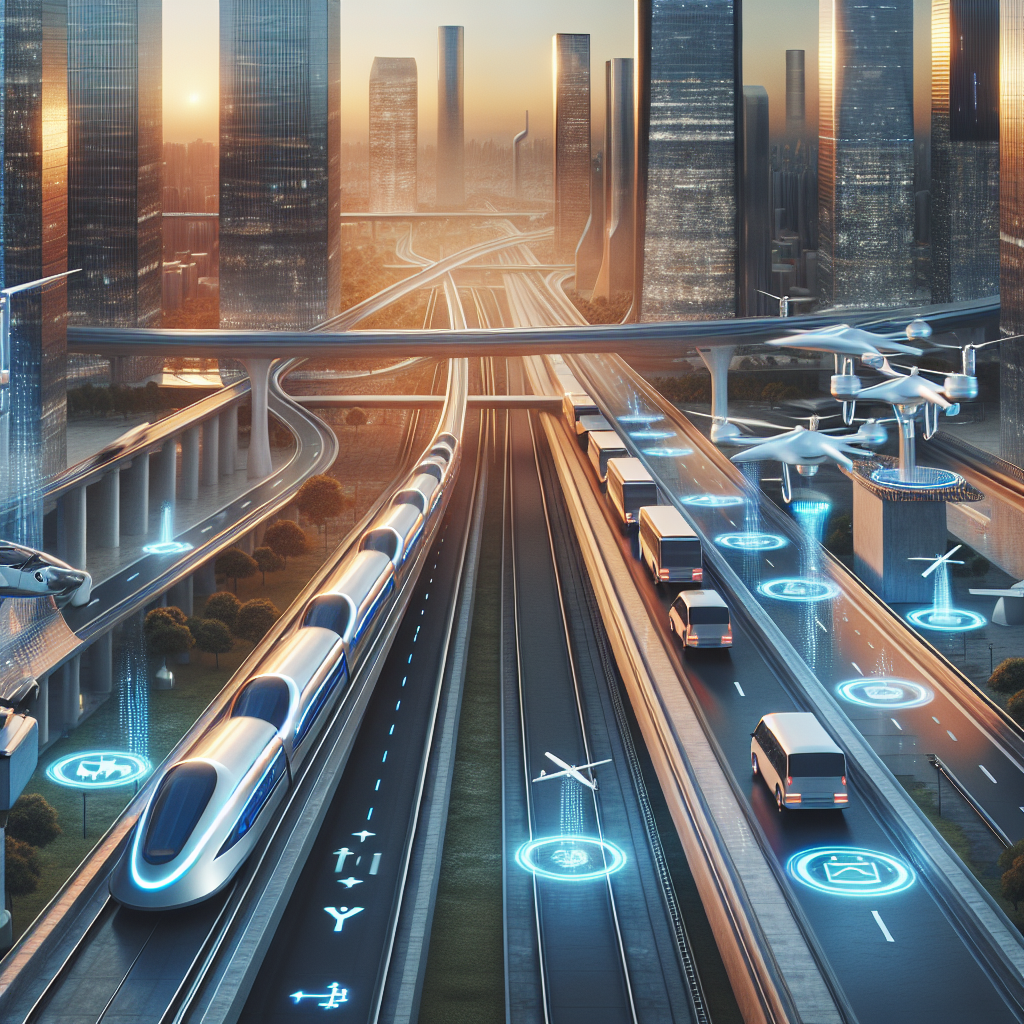
Artificial intelligence (AI) is revolutionizing the way we interact with the world around us, and one area where AI has the potential to make a significant impact is in public transportation systems. From optimizing traffic flow to predicting rider demand, AI technologies are helping to make public transportation more efficient, reliable, and convenient for passengers.
AI-powered systems are being used in a variety of ways to improve public transportation. One of the key areas where AI is making a difference is in traffic management. AI algorithms can analyze real-time traffic data to optimize traffic flow, reduce congestion, and minimize delays. By adjusting traffic signals, rerouting buses, and coordinating the movement of vehicles, AI can help to improve the overall efficiency of public transportation systems.
Another way AI is being used in public transportation is in predicting rider demand. By analyzing historical data, weather patterns, and other factors, AI algorithms can predict when and where riders are likely to need transportation services. This information can be used to adjust service schedules, allocate resources more effectively, and improve the overall quality of service for passengers.
AI technologies are also being used to improve the safety and security of public transportation systems. For example, AI-powered surveillance systems can monitor stations and vehicles for suspicious behavior, alerting authorities to potential threats in real-time. This can help to prevent accidents, reduce crime, and improve the overall safety of public transportation systems.
In addition to these applications, AI is also being used to improve the accessibility of public transportation for passengers with disabilities. By analyzing data on accessibility features, such as ramps, elevators, and large-print signage, AI algorithms can help to identify barriers to access and suggest ways to improve the overall accessibility of public transportation systems.
Overall, AI has the potential to transform public transportation systems in a variety of ways, making them more efficient, reliable, and convenient for passengers. As AI technologies continue to advance, we can expect to see even more improvements in the way public transportation is managed and delivered.
FAQs:
Q: How is AI being used to optimize traffic flow in public transportation systems?
A: AI algorithms can analyze real-time traffic data to optimize traffic flow, reduce congestion, and minimize delays. By adjusting traffic signals, rerouting buses, and coordinating the movement of vehicles, AI can help to improve the overall efficiency of public transportation systems.
Q: How is AI being used to predict rider demand in public transportation systems?
A: AI algorithms analyze historical data, weather patterns, and other factors to predict when and where riders are likely to need transportation services. This information can be used to adjust service schedules, allocate resources more effectively, and improve the overall quality of service for passengers.
Q: How is AI being used to improve the safety and security of public transportation systems?
A: AI-powered surveillance systems can monitor stations and vehicles for suspicious behavior, alerting authorities to potential threats in real-time. This can help to prevent accidents, reduce crime, and improve the overall safety of public transportation systems.
Q: How is AI being used to improve the accessibility of public transportation for passengers with disabilities?
A: AI algorithms analyze data on accessibility features, such as ramps, elevators, and large-print signage, to identify barriers to access and suggest ways to improve the overall accessibility of public transportation systems.