
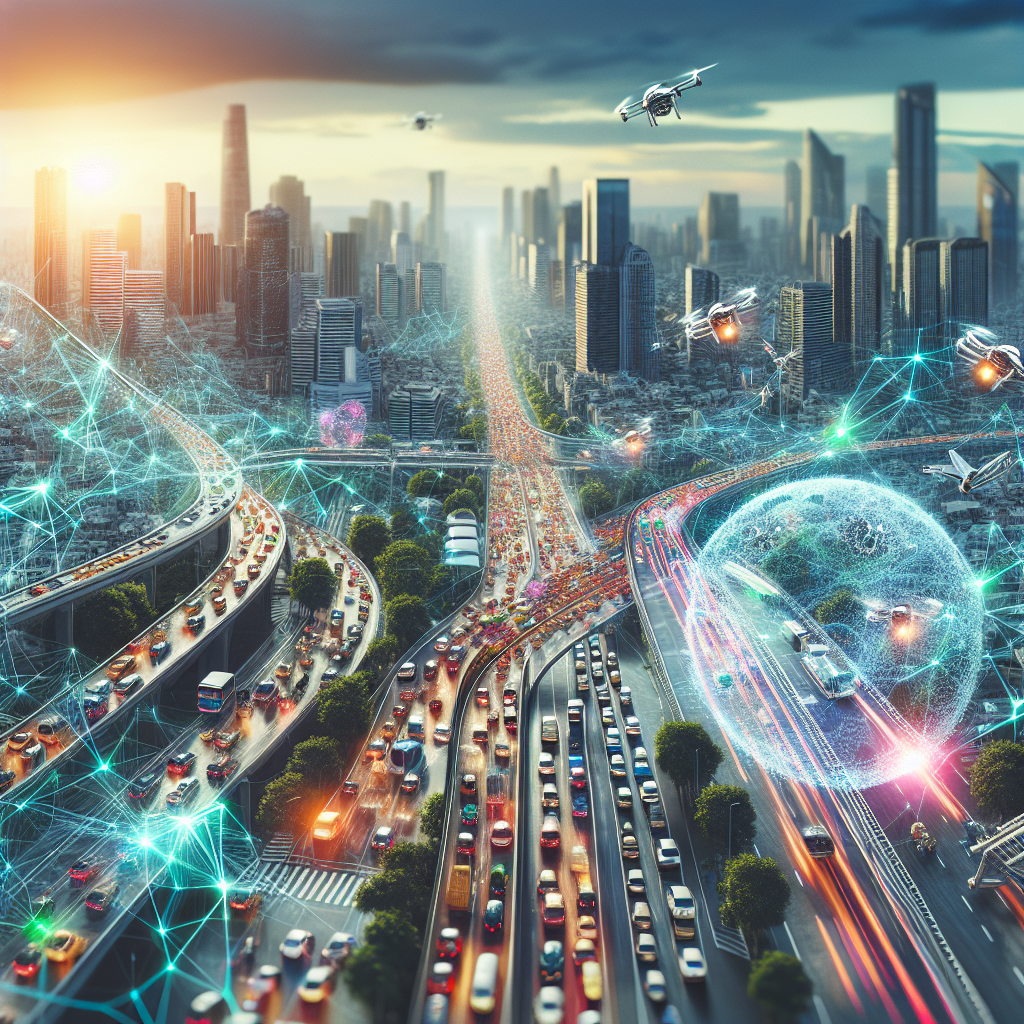
With the rise of urbanization and population growth, cities around the world are facing increasing challenges in managing transportation systems efficiently. Traffic congestion, air pollution, and lack of accessibility are some of the key issues that urban transportation planners are grappling with. In recent years, there has been a growing interest in the use of artificial intelligence (AI) in urban transportation planning to address these challenges and create smarter, more sustainable cities.
AI technologies have the potential to revolutionize urban transportation planning by providing valuable insights into traffic patterns, optimizing routes, and improving the overall efficiency of transportation systems. From self-driving cars to predictive analytics, AI has the ability to transform the way we move around cities and make transportation more accessible, safe, and sustainable.
One of the key areas where AI is making a significant impact in urban transportation planning is in traffic management. AI-powered traffic management systems can analyze real-time traffic data from sensors, cameras, and other sources to predict traffic patterns, optimize traffic flow, and reduce congestion. By using algorithms and machine learning techniques, these systems can adjust traffic signals, reroute vehicles, and prioritize public transportation to improve overall traffic efficiency.
Another area where AI is being used in urban transportation planning is in route optimization. AI algorithms can analyze data on traffic conditions, weather, and other factors to recommend the most efficient routes for vehicles, reducing travel time and fuel consumption. This is particularly valuable for public transportation systems, where optimizing routes can improve service reliability and reduce costs.
AI is also being used to improve the safety of urban transportation systems. Self-driving cars, for example, use AI algorithms to navigate traffic, detect obstacles, and make decisions in real-time. These vehicles have the potential to reduce accidents and improve road safety by eliminating human error. AI-powered systems can also analyze data on traffic accidents and identify high-risk areas, allowing transportation planners to implement targeted safety measures.
In addition to traffic management, route optimization, and safety, AI is also being used to enhance the overall user experience in urban transportation systems. For example, AI-powered apps can provide real-time information on public transportation schedules, delays, and availability, helping commuters plan their journeys more efficiently. AI can also personalize transportation services based on individual preferences, making transportation more convenient and accessible for all users.
Overall, the future of AI in urban transportation planning is promising. By harnessing the power of AI technologies, cities can create more efficient, sustainable, and user-friendly transportation systems that meet the needs of a growing population. However, there are also some challenges and considerations that need to be addressed to fully realize the potential of AI in urban transportation planning.
One of the key challenges of implementing AI in urban transportation planning is data availability and quality. AI algorithms rely on large amounts of data to make accurate predictions and recommendations. Cities need to invest in collecting and maintaining high-quality data on traffic patterns, road conditions, and other factors to ensure that AI systems can operate effectively. This may require collaboration with private companies, government agencies, and other stakeholders to share data and resources.
Another challenge is the integration of AI technologies into existing transportation infrastructure. Many cities have legacy systems and infrastructure that may not be compatible with AI-powered solutions. Transportation planners need to consider how to seamlessly integrate AI technologies into existing systems to maximize their benefits and minimize disruption. This may require investing in new infrastructure, upgrading existing systems, and training staff to use AI tools effectively.
There are also ethical and privacy considerations that need to be addressed when using AI in urban transportation planning. For example, self-driving cars raise questions about liability in the event of accidents, as well as concerns about data privacy and security. Transportation planners need to establish clear guidelines and regulations to ensure that AI technologies are used ethically and responsibly, and that user data is protected.
Despite these challenges, the potential benefits of AI in urban transportation planning are significant. By leveraging AI technologies, cities can reduce traffic congestion, improve air quality, enhance safety, and create more accessible and user-friendly transportation systems. As AI continues to advance and mature, it will play an increasingly important role in shaping the future of urban transportation planning.
FAQs:
1. How will AI impact public transportation systems?
AI has the potential to revolutionize public transportation systems by optimizing routes, improving service reliability, and enhancing the overall user experience. AI-powered systems can analyze data on passenger demand, traffic patterns, and other factors to recommend the most efficient routes and schedules for buses, trains, and other modes of public transportation. This can help reduce wait times, overcrowding, and delays, making public transportation more convenient and accessible for all users.
2. What are the key benefits of using AI in urban transportation planning?
Some of the key benefits of using AI in urban transportation planning include:
-Reduced traffic congestion: AI-powered traffic management systems can optimize traffic flow, reduce congestion, and improve overall traffic efficiency.
-Improved safety: AI technologies, such as self-driving cars, can reduce accidents and improve road safety by eliminating human error.
-Enhanced user experience: AI-powered apps can provide real-time information on public transportation schedules, delays, and availability, helping commuters plan their journeys more efficiently.
-Sustainability: AI can help reduce fuel consumption, emissions, and environmental impact by optimizing routes and promoting the use of public transportation.
3. What are some of the challenges of implementing AI in urban transportation planning?
Some of the key challenges of implementing AI in urban transportation planning include:
-Data availability and quality: AI algorithms rely on large amounts of data to make accurate predictions and recommendations. Cities need to invest in collecting and maintaining high-quality data on traffic patterns, road conditions, and other factors.
-Integration with existing infrastructure: Many cities have legacy systems and infrastructure that may not be compatible with AI-powered solutions. Transportation planners need to consider how to seamlessly integrate AI technologies into existing systems.
-Ethical and privacy considerations: AI raises questions about liability, data privacy, and security. Transportation planners need to establish clear guidelines and regulations to ensure that AI technologies are used ethically and responsibly.
4. How can cities prepare for the future of AI in urban transportation planning?
Cities can prepare for the future of AI in urban transportation planning by:
-Investing in data collection and maintenance: Cities need to collect and maintain high-quality data on traffic patterns, road conditions, and other factors to support AI-powered systems.
-Upgrading infrastructure: Cities may need to invest in new infrastructure and upgrade existing systems to support AI technologies.
-Establishing guidelines and regulations: Cities need to establish clear guidelines and regulations to ensure that AI technologies are used ethically and responsibly, and that user data is protected.
-Training staff: Cities need to train staff to use AI tools effectively and to integrate AI technologies into existing transportation systems.
In conclusion, the future of AI in urban transportation planning is promising. By leveraging AI technologies, cities can create more efficient, sustainable, and user-friendly transportation systems that meet the needs of a growing population. However, there are challenges and considerations that need to be addressed to fully realize the potential of AI in urban transportation planning. By investing in data collection, infrastructure upgrades, guidelines and regulations, and staff training, cities can prepare for the future of AI in urban transportation planning and create smarter, more sustainable cities for all.