
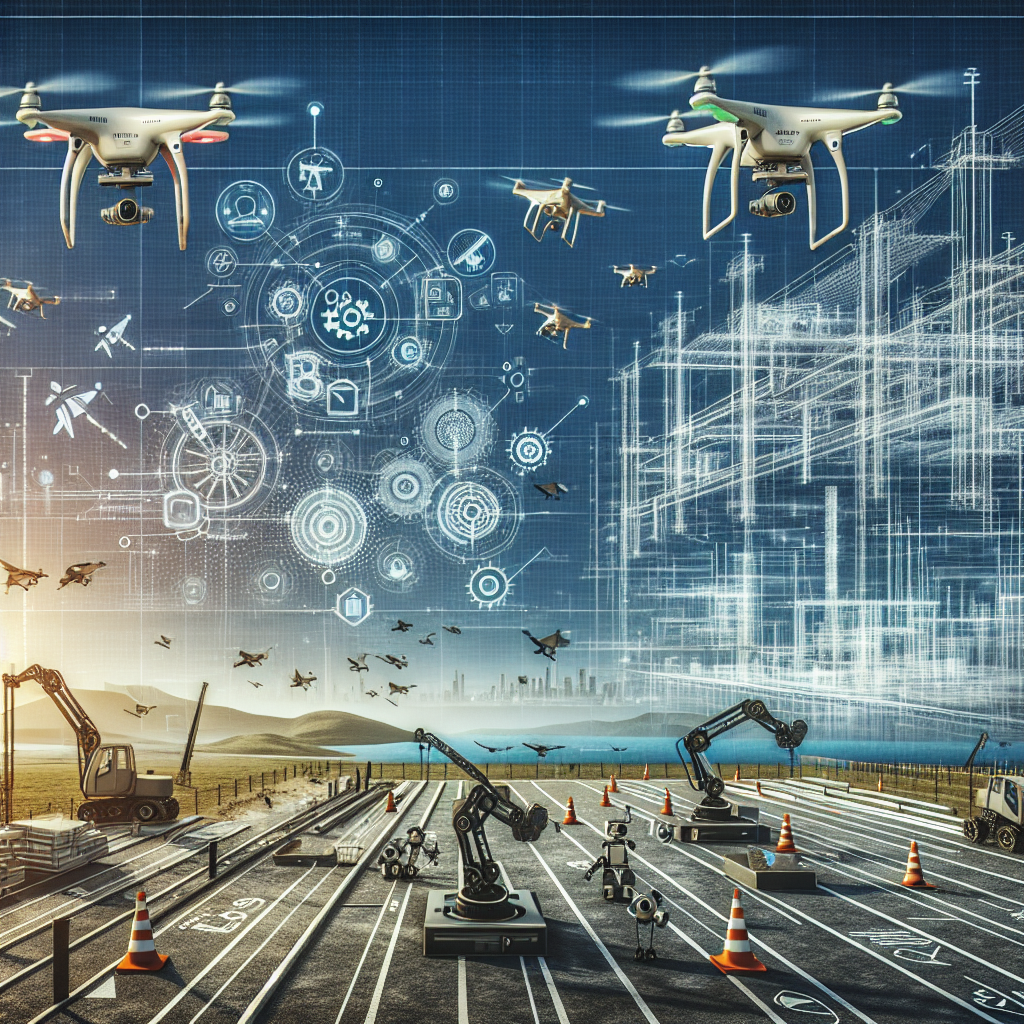
AI automation in construction is revolutionizing the way we build and maintain structures. By utilizing advanced technologies such as artificial intelligence, machine learning, and robotics, construction companies can improve safety, efficiency, and productivity on job sites. From project planning to completion, AI automation is transforming the construction industry in numerous ways.
One of the key benefits of AI automation in construction is improved safety. Construction sites are inherently dangerous environments, with numerous hazards that can lead to accidents and injuries. By implementing AI technologies, companies can reduce the risk of accidents by identifying potential safety hazards and taking proactive measures to prevent them. For example, drones equipped with AI can survey job sites and identify safety risks such as unstable structures or hazardous materials. This allows construction companies to address these issues before they become a threat to workers’ safety.
In addition to improving safety, AI automation also enhances efficiency on construction sites. By automating repetitive tasks such as data entry, material handling, and quality control, companies can streamline their processes and complete projects more quickly. For example, autonomous vehicles and drones can transport materials and equipment around the job site, reducing the time and manpower required for these tasks. This allows construction crews to focus on more complex and high-value activities, ultimately speeding up project timelines and increasing overall productivity.
Furthermore, AI automation in construction can also improve the quality of workmanship. By using AI-powered tools for design, planning, and monitoring, companies can ensure that projects are completed to the highest standards. For example, AI algorithms can analyze building designs and identify potential structural flaws or inefficiencies, allowing engineers to make necessary corrections before construction begins. This results in buildings that are more durable, energy-efficient, and aesthetically pleasing.
Another benefit of AI automation in construction is cost savings. By reducing the need for manual labor and optimizing resource allocation, companies can lower their operating expenses and increase their profit margins. For example, AI-powered scheduling software can optimize work schedules and minimize downtime, resulting in lower labor costs and faster project completion. Additionally, AI tools can also help companies identify cost-saving opportunities such as energy-efficient building materials or construction techniques, further reducing overall project costs.
Despite the numerous benefits of AI automation in construction, there are still some challenges that companies may face when implementing these technologies. One of the main challenges is the initial investment required to adopt AI solutions. While the long-term benefits of AI automation can outweigh the upfront costs, some companies may be hesitant to invest in new technologies without a clear return on investment. Additionally, there may be concerns about job displacement, as automation could potentially replace certain manual labor tasks. However, it’s important to note that AI automation is meant to augment human labor, not replace it entirely. By freeing up workers from repetitive and dangerous tasks, AI technologies can actually improve job satisfaction and retention in the construction industry.
FAQs:
1. How can AI automation improve safety on construction sites?
AI automation can improve safety on construction sites by identifying potential hazards, monitoring job site conditions, and alerting workers to safety risks. By using drones, sensors, and AI algorithms, companies can proactively address safety concerns and prevent accidents before they occur.
2. What are some examples of AI automation in construction?
Some examples of AI automation in construction include autonomous vehicles for material transport, drones for site surveying, AI-powered design software for building planning, and robots for repetitive tasks such as bricklaying and welding.
3. How can AI automation enhance efficiency in construction projects?
AI automation can enhance efficiency in construction projects by automating repetitive tasks, optimizing resource allocation, and streamlining processes. By using AI-powered tools for scheduling, material handling, and quality control, companies can complete projects more quickly and with greater accuracy.
4. What are the cost-saving benefits of AI automation in construction?
AI automation in construction can lead to cost savings by reducing labor costs, optimizing resource allocation, and identifying cost-saving opportunities. By streamlining processes, minimizing downtime, and improving project efficiency, companies can lower their operating expenses and increase their profit margins.
In conclusion, AI automation in construction is transforming the way we build and maintain structures. By improving safety, efficiency, quality, and cost savings, AI technologies are revolutionizing the construction industry and paving the way for a more sustainable and innovative future. As companies continue to adopt and integrate AI solutions into their operations, we can expect to see even greater advancements in construction methods and practices.