
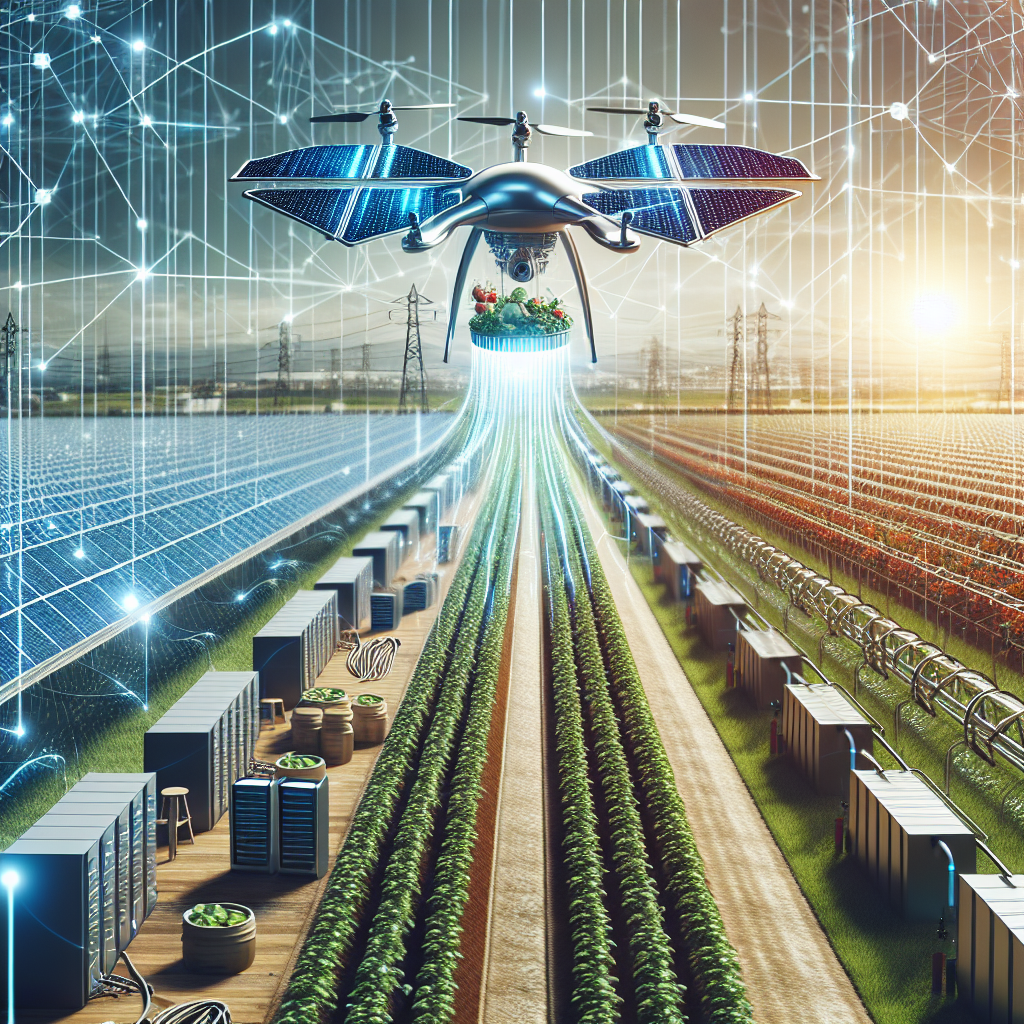
Artificial Intelligence (AI) is revolutionizing the way we produce, distribute, and consume food. With the world’s population expected to reach 9 billion by 2050, the demand for food is ever-increasing. At the same time, climate change, water scarcity, and soil degradation are putting pressure on our food systems. AI innovations offer solutions to these challenges by optimizing production processes, reducing waste, and creating more sustainable food systems.
AI technologies such as machine learning, robotics, and data analytics are being used across the food supply chain to improve efficiency and sustainability. From precision agriculture to smart packaging, AI is transforming the way we grow, harvest, process, and distribute food. In this article, we will explore some of the most exciting AI innovations for sustainable food systems.
1. Precision Agriculture: AI is revolutionizing agriculture with precision farming techniques that optimize inputs such as water, fertilizer, and pesticides. By collecting data from sensors, drones, and satellites, AI algorithms can analyze soil conditions, weather patterns, and crop health to make real-time decisions. This helps farmers reduce waste, increase yields, and minimize environmental impact. For example, AI-powered irrigation systems can adjust water usage based on plant needs, saving water and reducing runoff.
2. Plant Breeding: AI is accelerating the breeding of new crop varieties that are more resilient to climate change, pests, and diseases. By analyzing genetic data and environmental factors, AI algorithms can predict how different plant combinations will perform in different conditions. This allows breeders to develop crops that require less water, fertilizer, and pesticides while maintaining high yields. AI is also being used to create crops with enhanced nutritional value, such as biofortified grains that are rich in vitamins and minerals.
3. Food Safety: AI is improving food safety by detecting contaminants, pathogens, and spoilage in real-time. By analyzing images, DNA sequences, and chemical signatures, AI algorithms can identify potential hazards before they reach consumers. For example, AI-powered sensors can monitor temperature, humidity, and gas levels in food storage and transportation, alerting operators to any issues. AI is also being used to track foodborne illnesses and outbreaks, helping authorities respond quickly and prevent further contamination.
4. Supply Chain Management: AI is optimizing the food supply chain by predicting demand, reducing waste, and improving logistics. By analyzing data from suppliers, retailers, and consumers, AI algorithms can forecast sales, optimize inventory, and streamline distribution. This helps reduce food waste by ensuring that products are delivered on time and in the right quantities. AI is also being used to trace the origin of food products, ensuring transparency and accountability in the supply chain.
5. Smart Packaging: AI is transforming food packaging with sensors that monitor freshness, quality, and safety. By embedding RFID tags, QR codes, and other tracking devices, AI-powered packaging can provide real-time information about a product’s journey from farm to fork. This helps consumers make informed decisions about their food choices and reduces the risk of contamination or fraud. AI is also being used to develop biodegradable and compostable packaging materials that reduce waste and pollution.
In conclusion, AI innovations are revolutionizing sustainable food systems by optimizing production processes, reducing waste, and improving food safety. By harnessing the power of AI technologies, we can create a more resilient and efficient food system that can feed a growing population while protecting the planet. It is essential for governments, businesses, and consumers to embrace AI innovations and work together to build a more sustainable future for food.
FAQs:
Q: How can AI help reduce food waste?
A: AI can reduce food waste by optimizing production processes, predicting demand, and improving supply chain management. By analyzing data from sensors, drones, and satellites, AI algorithms can identify inefficiencies and opportunities to reduce waste at every stage of the food supply chain.
Q: Is AI safe for food production?
A: Yes, AI is safe for food production when used responsibly and in compliance with regulations. AI technologies such as machine learning, robotics, and data analytics can help improve food safety by detecting contaminants, pathogens, and spoilage in real-time.
Q: How can consumers benefit from AI innovations in food systems?
A: Consumers can benefit from AI innovations in food systems by having access to fresher, safer, and more sustainable food products. AI-powered packaging can provide real-time information about a product’s journey from farm to fork, helping consumers make informed decisions about their food choices.