
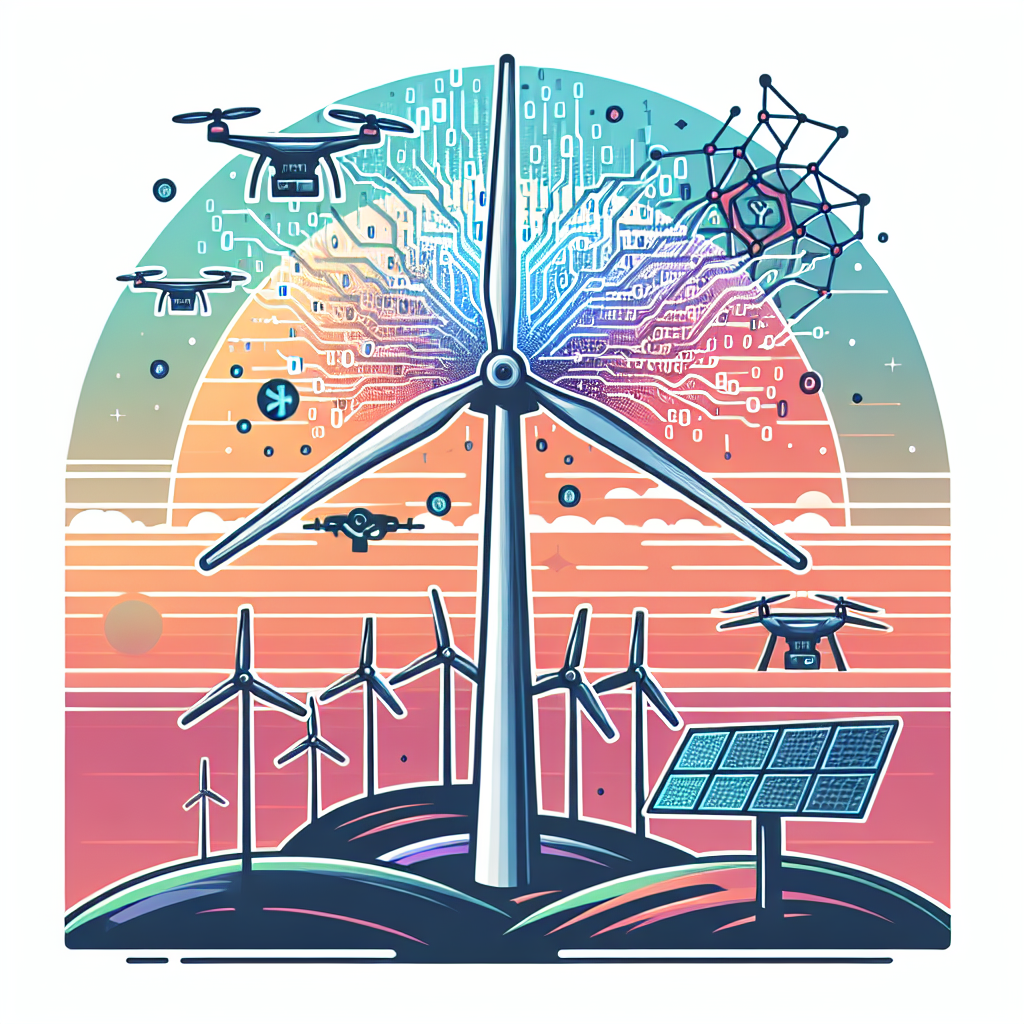
As the world continues to shift towards renewable energy sources, wind energy has emerged as a key player in the transition away from fossil fuels. With advances in technology, wind energy production has become more efficient and cost-effective, thanks in part to the integration of artificial intelligence (AI) into wind turbine operations.
AI is revolutionizing the way wind energy is produced by optimizing the performance of wind turbines, predicting maintenance needs, and improving overall efficiency. This technology is enabling wind farms to generate more electricity with less downtime and at a lower cost, making wind energy a more competitive and viable option for meeting the world’s growing energy needs.
Optimizing Wind Turbine Performance
One of the key ways AI is revolutionizing wind energy production is by optimizing the performance of wind turbines. AI algorithms can analyze vast amounts of data in real-time to adjust the angle of the turbine blades, the direction of the rotor, and other parameters to maximize energy output. This level of precision allows wind turbines to operate more efficiently, capturing more energy from the wind and increasing overall power generation.
AI can also help predict wind patterns and adjust turbine settings accordingly to take advantage of changing wind speeds and directions. By continuously adapting to the conditions, AI can ensure that wind turbines are always operating at peak performance, maximizing energy production and reducing downtime.
Predictive Maintenance
Another key application of AI in wind energy production is predictive maintenance. By analyzing data from sensors embedded in wind turbines, AI algorithms can predict when components are likely to fail and alert maintenance teams to perform preventive maintenance before a breakdown occurs. This proactive approach can help avoid costly repairs and minimize downtime, ensuring that wind turbines are operating at their full capacity.
AI can also optimize maintenance schedules by prioritizing tasks based on the likelihood of failure and the impact on energy production. By focusing on the most critical components first, maintenance teams can maximize the lifespan of wind turbines and minimize disruptions to power generation.
Improving Overall Efficiency
In addition to optimizing performance and predicting maintenance needs, AI is also improving the overall efficiency of wind energy production. By analyzing data from multiple sources, including weather forecasts, energy prices, and grid demand, AI algorithms can optimize the operation of entire wind farms to maximize energy production and reduce costs.
AI can help wind farm operators make informed decisions about when to generate electricity, when to store excess energy in batteries, and when to sell electricity back to the grid. By balancing these factors in real-time, AI can ensure that wind farms are always operating at their maximum efficiency, generating the most electricity at the lowest cost.
FAQs about AI in Wind Energy Production
Q: How does AI optimize the performance of wind turbines?
A: AI algorithms analyze data from sensors embedded in wind turbines to adjust settings such as blade angle and rotor direction in real-time, maximizing energy output and efficiency.
Q: How does AI predict maintenance needs in wind turbines?
A: By analyzing data from sensors, AI algorithms can predict when components are likely to fail and alert maintenance teams to perform preventive maintenance before a breakdown occurs.
Q: How does AI improve the overall efficiency of wind energy production?
A: AI analyzes data from multiple sources, including weather forecasts and energy prices, to optimize the operation of wind farms and maximize energy production while minimizing costs.
Q: What are the benefits of using AI in wind energy production?
A: AI can optimize performance, predict maintenance needs, and improve overall efficiency, leading to increased energy production, reduced downtime, and lower costs for wind farm operators.
In conclusion, AI is revolutionizing wind energy production by optimizing performance, predicting maintenance needs, and improving overall efficiency. By leveraging the power of AI algorithms, wind farms can generate more electricity, reduce downtime, and lower costs, making wind energy a more attractive and competitive option for meeting the world’s growing energy needs. With continued advancements in AI technology, the future of wind energy production looks bright, paving the way for a more sustainable and environmentally friendly energy landscape.