
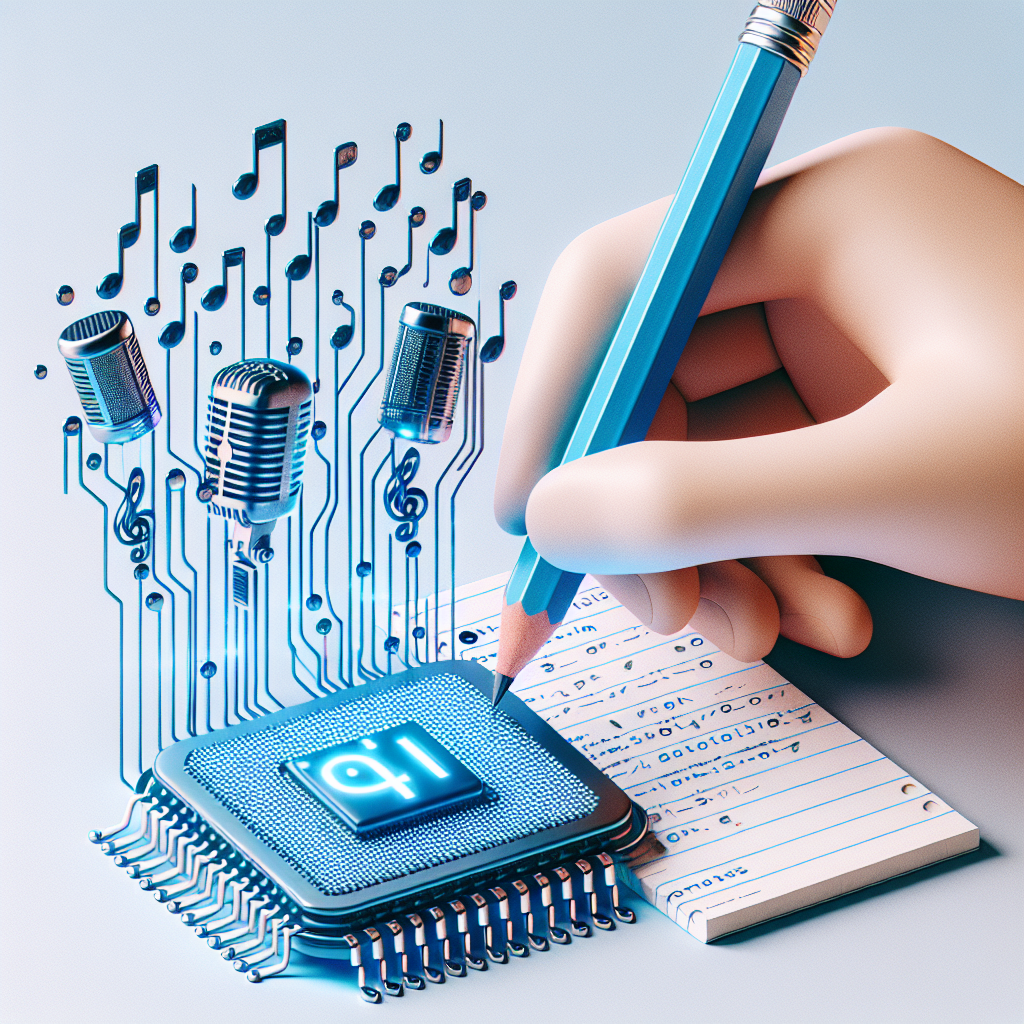
The Influence of AI on Music Criticism and Reviews
In recent years, artificial intelligence (AI) has made significant strides in the field of music criticism and reviews. With the ability to analyze vast amounts of data and generate insights at a rapid pace, AI has started to play a crucial role in shaping the way music is evaluated and appreciated. This article will explore the ways in which AI is impacting music criticism and reviews, as well as the implications of this technological advancement on the music industry as a whole.
AI in Music Criticism: How Does it Work?
AI in music criticism involves the use of algorithms to analyze various aspects of a piece of music, such as tempo, key, instrumentation, and lyrics. These algorithms can then generate reviews or ratings based on this analysis, providing a quick and objective assessment of a song or album. AI can also be used to predict the commercial success of a particular piece of music, based on factors such as the artist’s popularity, the genre of the music, and the overall quality of the production.
One of the key advantages of using AI in music criticism is its ability to process and analyze large amounts of data quickly and efficiently. This allows for a more comprehensive evaluation of a piece of music, taking into account a wide range of factors that may not be immediately apparent to human reviewers. AI can also help to identify trends and patterns in music consumption, providing valuable insights for music industry professionals looking to understand and capitalize on changing tastes and preferences.
Implications of AI on Music Criticism
The rise of AI in music criticism has raised questions about the role of human reviewers in the industry. While AI can provide valuable insights and analysis, some argue that it lacks the emotional intelligence and subjective perspective that human reviewers bring to the table. Critics argue that AI may not be able to capture the cultural context or personal significance of a piece of music in the same way that a human reviewer can.
On the other hand, proponents of AI in music criticism argue that technology can help to democratize the review process, making it more accessible to a wider range of voices and perspectives. AI can also help to reduce bias and subjectivity in reviews, providing a more objective assessment of a piece of music based on data and analysis.
Overall, the rise of AI in music criticism is likely to have a significant impact on the industry, shaping the way music is evaluated and appreciated by both critics and consumers. As technology continues to advance, it will be interesting to see how AI continues to influence the way we think about and engage with music.
FAQs
Q: Can AI really replace human music critics?
A: While AI can provide valuable insights and analysis, it is unlikely to completely replace human music critics. Human reviewers bring a subjective perspective and emotional intelligence to the table that AI may not be able to replicate. However, AI can complement human reviewers by providing objective analysis and insights that can enhance the review process.
Q: How accurate is AI in predicting the commercial success of a piece of music?
A: AI can be quite accurate in predicting the commercial success of a piece of music, based on factors such as the artist’s popularity, the genre of the music, and the overall quality of the production. However, it is important to note that commercial success is not the only measure of a piece of music’s value, and AI may not always capture the cultural or personal significance of a particular song or album.
Q: How can AI help to reduce bias and subjectivity in music reviews?
A: AI can help to reduce bias and subjectivity in music reviews by providing an objective assessment of a piece of music based on data and analysis. AI algorithms can analyze a wide range of factors, such as tempo, key, instrumentation, and lyrics, to provide a more comprehensive evaluation of a song or album. This can help to ensure that reviews are based on objective criteria rather than personal preferences or biases.
Q: What are some of the potential drawbacks of using AI in music criticism?
A: Some potential drawbacks of using AI in music criticism include the risk of oversimplifying complex artistic works, the lack of emotional intelligence and subjective perspective that human reviewers bring to the table, and concerns about the impact of technology on the music industry as a whole. It is important to approach the use of AI in music criticism with caution and to consider the potential implications of this technological advancement on the industry.