
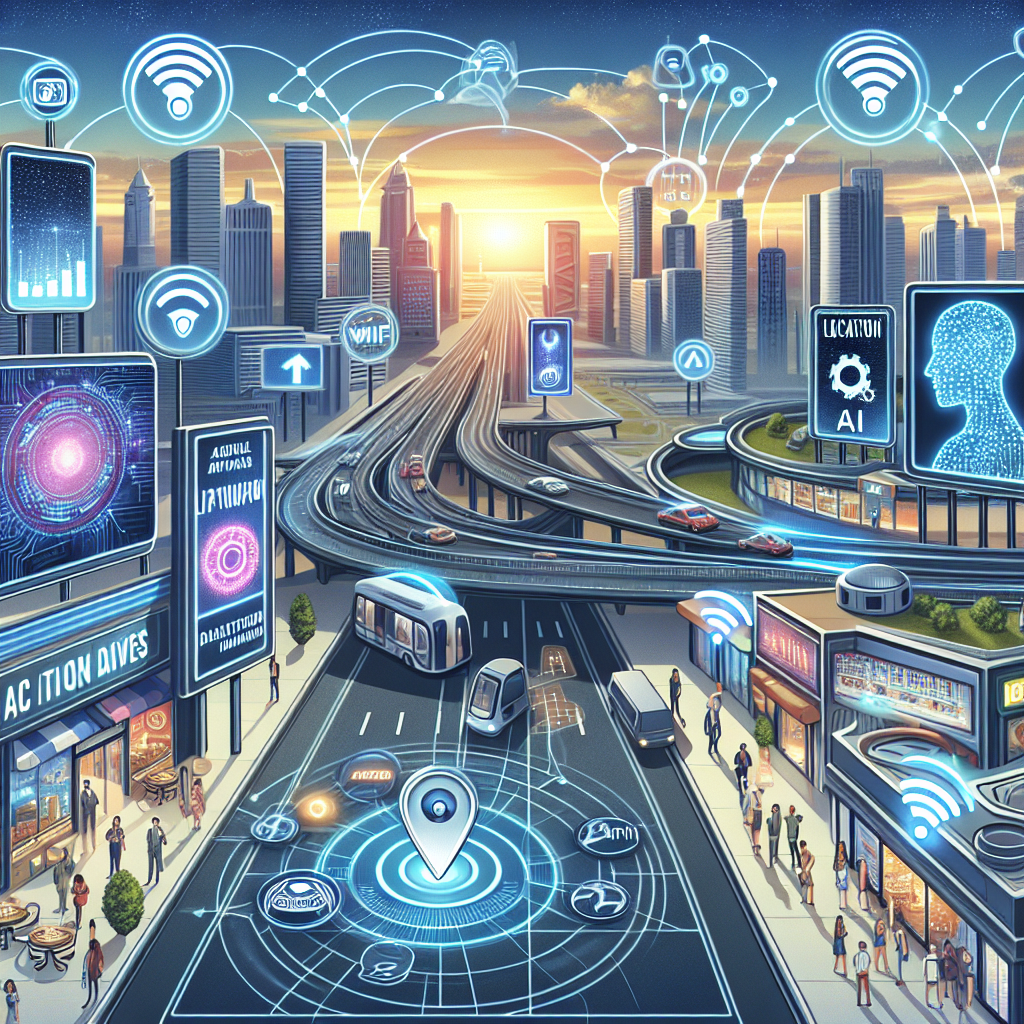
The Future of AI in Location-based Marketing
Location-based marketing has become an essential strategy for businesses looking to reach their target audience in a more personalized and targeted way. With the advancements in artificial intelligence (AI), the future of location-based marketing looks promising. AI is revolutionizing the way businesses can use location data to deliver relevant and timely messages to consumers, ultimately driving better engagement and conversions.
AI-powered technologies such as machine learning, natural language processing, and deep learning are enabling businesses to analyze vast amounts of location data to understand consumer behavior and preferences better. This allows businesses to create hyper-targeted campaigns that are more likely to resonate with their target audience.
One of the key ways AI is transforming location-based marketing is through predictive analytics. By analyzing historical location data, AI can predict future consumer behavior and preferences, allowing businesses to anticipate and respond to their customers’ needs in real-time. For example, a retail store can use AI to predict when a customer is likely to visit based on their past behavior and send them a personalized offer or promotion to drive foot traffic.
Another way AI is revolutionizing location-based marketing is through the use of geofencing technology. Geofencing allows businesses to create virtual boundaries around a physical location, such as a store or event venue, and trigger personalized messages or notifications when a customer enters or exits the geofenced area. AI can analyze real-time location data to deliver the right message to the right person at the right time, increasing the chances of conversion.
AI-powered chatbots are also playing a significant role in location-based marketing. Chatbots can engage with customers in real-time and provide personalized recommendations based on their location and preferences. For example, a restaurant chatbot can recommend nearby dining options based on the customer’s current location and dietary preferences, driving foot traffic and increasing sales.
The future of AI in location-based marketing is bright, with businesses leveraging AI to create more personalized and targeted campaigns that drive better engagement and conversions. As AI technology continues to evolve, we can expect to see even more innovative use cases for location data in marketing, such as augmented reality experiences, personalized product recommendations, and dynamic pricing strategies.
FAQs:
1. How does AI impact location-based marketing?
AI enables businesses to analyze vast amounts of location data to understand consumer behavior and preferences better. This allows businesses to create hyper-targeted campaigns that are more likely to resonate with their target audience.
2. What are some examples of AI-powered technologies in location-based marketing?
Some examples of AI-powered technologies in location-based marketing include predictive analytics, geofencing, and chatbots. Predictive analytics allows businesses to predict future consumer behavior, while geofencing technology triggers personalized messages based on a customer’s location. Chatbots engage with customers in real-time and provide personalized recommendations based on their location and preferences.
3. How can businesses leverage AI in location-based marketing?
Businesses can leverage AI in location-based marketing by analyzing historical location data to predict future consumer behavior, creating geofenced areas to trigger personalized messages, and using chatbots to engage with customers in real-time. By leveraging AI technologies, businesses can create more personalized and targeted campaigns that drive better engagement and conversions.
4. What are some future trends in AI in location-based marketing?
Some future trends in AI in location-based marketing include augmented reality experiences, personalized product recommendations, and dynamic pricing strategies. As AI technology continues to evolve, we can expect to see even more innovative use cases for location data in marketing.
In conclusion, AI is transforming location-based marketing by enabling businesses to create more personalized and targeted campaigns that drive better engagement and conversions. As AI technology continues to evolve, we can expect to see even more innovative use cases for location data in marketing, ultimately revolutionizing the way businesses reach their target audience.