
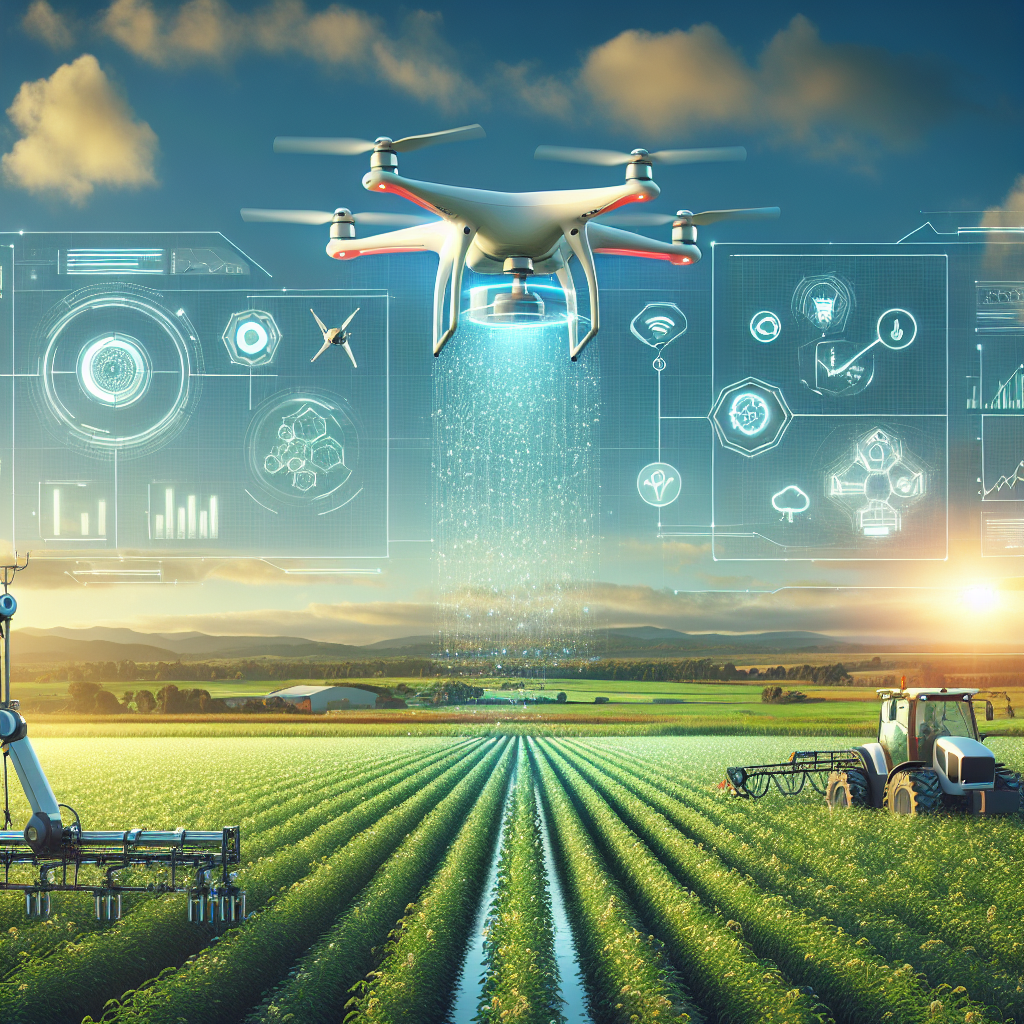
Artificial Intelligence (AI) is revolutionizing various industries, and agriculture is no exception. With the global population projected to reach 9.7 billion by 2050, the demand for food is expected to increase significantly. AI applications in agriculture are playing a crucial role in enhancing agricultural livelihoods by increasing productivity, reducing waste, and improving efficiency in farming practices.
AI technologies such as machine learning, computer vision, and robotics are being used in various aspects of agriculture to optimize processes and make data-driven decisions. From precision agriculture to crop monitoring and pest control, AI is transforming traditional farming methods and helping farmers increase their yields while reducing costs. In this article, we will explore the different AI applications in agriculture and how they are benefiting farmers worldwide.
Precision Agriculture:
Precision agriculture is a farming practice that uses technology to optimize crop yields and reduce waste. AI plays a key role in precision agriculture by analyzing data from sensors, drones, and satellites to provide farmers with real-time insights into their crops. By using AI algorithms, farmers can monitor soil moisture levels, predict crop yields, and optimize irrigation and fertilization schedules. This helps farmers make informed decisions and maximize their yields while minimizing their environmental impact.
Crop Monitoring:
AI-powered drones and satellites are being used to monitor crops and detect early signs of disease, nutrient deficiencies, and pest infestations. By analyzing images captured by drones and satellites, AI algorithms can identify patterns and anomalies in crops that are not visible to the naked eye. This allows farmers to take proactive measures to prevent crop damage and improve overall crop health. By monitoring crops in real-time, farmers can intervene early and save their crops from potential threats, leading to higher yields and increased profits.
Pest Control:
One of the biggest challenges for farmers is pest control, which can significantly reduce crop yields if not managed effectively. AI-powered pest control systems use sensors and cameras to detect pests in the field and deploy targeted interventions to control their populations. By using AI algorithms to identify pest species and behavior, farmers can implement precise and efficient pest control measures, reducing the need for chemical pesticides and minimizing the impact on the environment. This not only improves crop yields but also reduces the health risks associated with chemical pesticides.
Weed Management:
Weeds compete with crops for nutrients, water, and sunlight, leading to reduced yields and increased labor costs for farmers. AI-powered weed management systems use machine learning algorithms to identify and classify weeds in the field, enabling farmers to implement targeted weed control measures. By using AI to differentiate between crops and weeds, farmers can apply herbicides only where needed, reducing chemical usage and saving time and money. This helps farmers improve crop yields and reduce the environmental impact of weed control practices.
Market Forecasting:
AI is also being used to analyze market trends and forecast prices for agricultural commodities. By analyzing historical data and market indicators, AI algorithms can predict price fluctuations and help farmers make informed decisions about when to sell their produce. This allows farmers to maximize their profits and optimize their marketing strategies, leading to increased revenues and improved livelihoods. By leveraging AI for market forecasting, farmers can mitigate risks and plan for the future, ensuring a stable income and sustainable farming practices.
FAQs:
Q: How is AI being used in agriculture?
A: AI is being used in agriculture for precision agriculture, crop monitoring, pest control, weed management, and market forecasting. By analyzing data from sensors, drones, and satellites, AI algorithms provide farmers with real-time insights into their crops, enabling them to make informed decisions and optimize farming practices.
Q: What are the benefits of using AI in agriculture?
A: The benefits of using AI in agriculture include increased productivity, reduced waste, improved efficiency, and optimized resource management. AI helps farmers maximize their yields, reduce costs, and improve crop health, leading to higher profits and sustainable farming practices.
Q: How can farmers adopt AI technologies in agriculture?
A: Farmers can adopt AI technologies in agriculture by investing in sensors, drones, and other AI-powered tools, and partnering with technology companies that specialize in agricultural AI solutions. By incorporating AI into their farming practices, farmers can enhance their livelihoods and ensure long-term sustainability.
In conclusion, AI applications in agriculture are transforming traditional farming practices and enhancing agricultural livelihoods worldwide. By leveraging AI technologies such as machine learning, computer vision, and robotics, farmers can optimize their processes, increase their yields, and reduce waste. From precision agriculture to crop monitoring and pest control, AI is revolutionizing the way farmers grow crops and manage their farms. With the global population continuing to grow, AI will play an increasingly important role in ensuring food security and sustainable agriculture for future generations.