
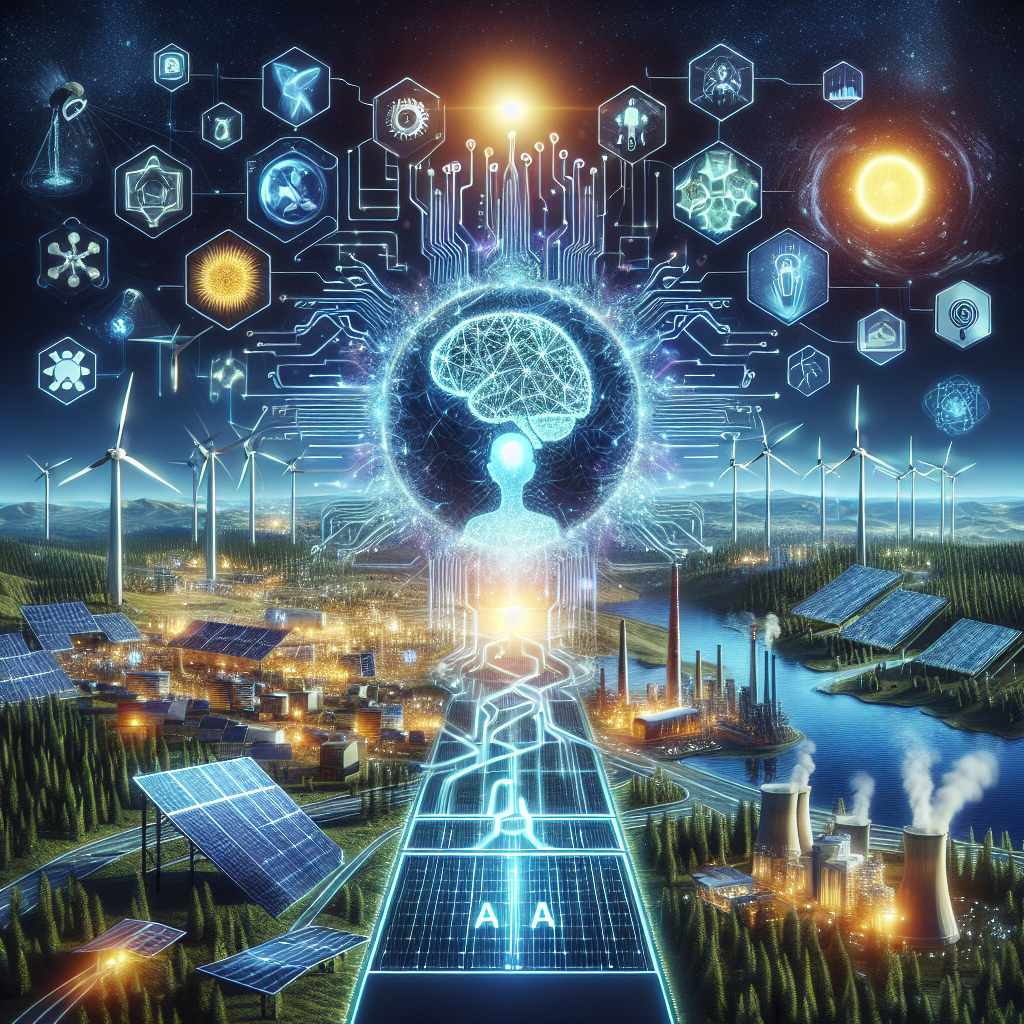
With the increasing demand for sustainable energy sources, advancements in artificial intelligence (AI) are playing a crucial role in revolutionizing the way we produce and consume energy. AI technologies are being used to optimize energy production, improve energy efficiency, and reduce carbon emissions. In this article, we will explore some of the latest advancements in AI for sustainable energy production and consumption.
1. Smart Grids: One of the key areas where AI is making a significant impact is in the development of smart grids. Smart grids use AI algorithms to analyze real-time data from sensors and meters to optimize energy distribution and consumption. By predicting energy demand and adjusting supply accordingly, smart grids can help reduce energy waste and ensure a more stable and reliable energy supply.
2. Renewable Energy Forecasting: AI technologies are being used to improve the forecasting of renewable energy sources such as solar and wind power. By analyzing historical data and weather patterns, AI algorithms can predict the level of renewable energy production with greater accuracy. This allows energy operators to better plan for fluctuations in supply and demand, leading to more efficient energy production and consumption.
3. Energy Management Systems: AI-powered energy management systems are helping businesses and homeowners optimize their energy usage. These systems use machine learning algorithms to analyze energy consumption patterns and recommend ways to reduce energy waste. By automatically adjusting lighting, heating, and cooling systems based on real-time data, AI can help reduce energy costs and carbon emissions.
4. Demand Response Programs: AI is also being used to develop demand response programs that incentivize consumers to reduce energy usage during peak hours. By analyzing energy consumption patterns and pricing data, AI algorithms can send signals to consumers to adjust their energy usage when demand is high. This not only helps reduce strain on the grid but also allows consumers to save money on their energy bills.
5. Energy Storage Optimization: AI technologies are being used to optimize energy storage systems, such as batteries and pumped hydro storage. By analyzing data on energy production and consumption, AI algorithms can determine the most efficient way to store and release energy. This helps maximize the use of renewable energy sources and reduce reliance on fossil fuels.
6. Predictive Maintenance: AI is also being used to improve the maintenance of energy infrastructure, such as power plants and transmission lines. By analyzing data on equipment performance and environmental conditions, AI algorithms can predict when maintenance is needed before a breakdown occurs. This helps reduce downtime and costly repairs, while also improving the overall reliability of the energy system.
7. Energy Efficiency in Buildings: AI technologies are being used to optimize energy efficiency in buildings by analyzing data on energy usage, occupancy patterns, and building design. By adjusting lighting, heating, and cooling systems based on real-time data, AI can help reduce energy waste and improve indoor comfort. This not only reduces energy costs but also lowers carbon emissions from buildings.
In conclusion, advancements in AI are playing a crucial role in transforming the energy sector towards a more sustainable future. By optimizing energy production, improving energy efficiency, and reducing carbon emissions, AI technologies are helping to create a more reliable and resilient energy system. As we continue to develop and implement AI solutions for sustainable energy production and consumption, we can expect to see even greater benefits in terms of cost savings, environmental protection, and energy security.
FAQs:
1. What are some examples of AI technologies being used in sustainable energy production?
– Some examples of AI technologies being used in sustainable energy production include smart grids, renewable energy forecasting, energy management systems, demand response programs, energy storage optimization, predictive maintenance, and energy efficiency in buildings.
2. How can AI help reduce energy waste and improve energy efficiency?
– AI technologies can help reduce energy waste and improve energy efficiency by analyzing data on energy consumption patterns, optimizing energy production and distribution, predicting renewable energy output, and recommending ways to reduce energy usage in buildings and homes.
3. What are the benefits of using AI in sustainable energy production and consumption?
– The benefits of using AI in sustainable energy production and consumption include cost savings, reduced carbon emissions, improved energy security, increased reliability of the energy system, and greater efficiency in energy production and consumption.
4. How can businesses and homeowners benefit from AI-powered energy management systems?
– Businesses and homeowners can benefit from AI-powered energy management systems by optimizing their energy usage, reducing energy costs, lowering carbon emissions, and improving indoor comfort through automated adjustments of lighting, heating, and cooling systems.
5. What are some challenges in implementing AI for sustainable energy production and consumption?
– Some challenges in implementing AI for sustainable energy production and consumption include data privacy concerns, cybersecurity risks, high upfront costs of AI technologies, and the need for skilled professionals to develop and maintain AI solutions.