
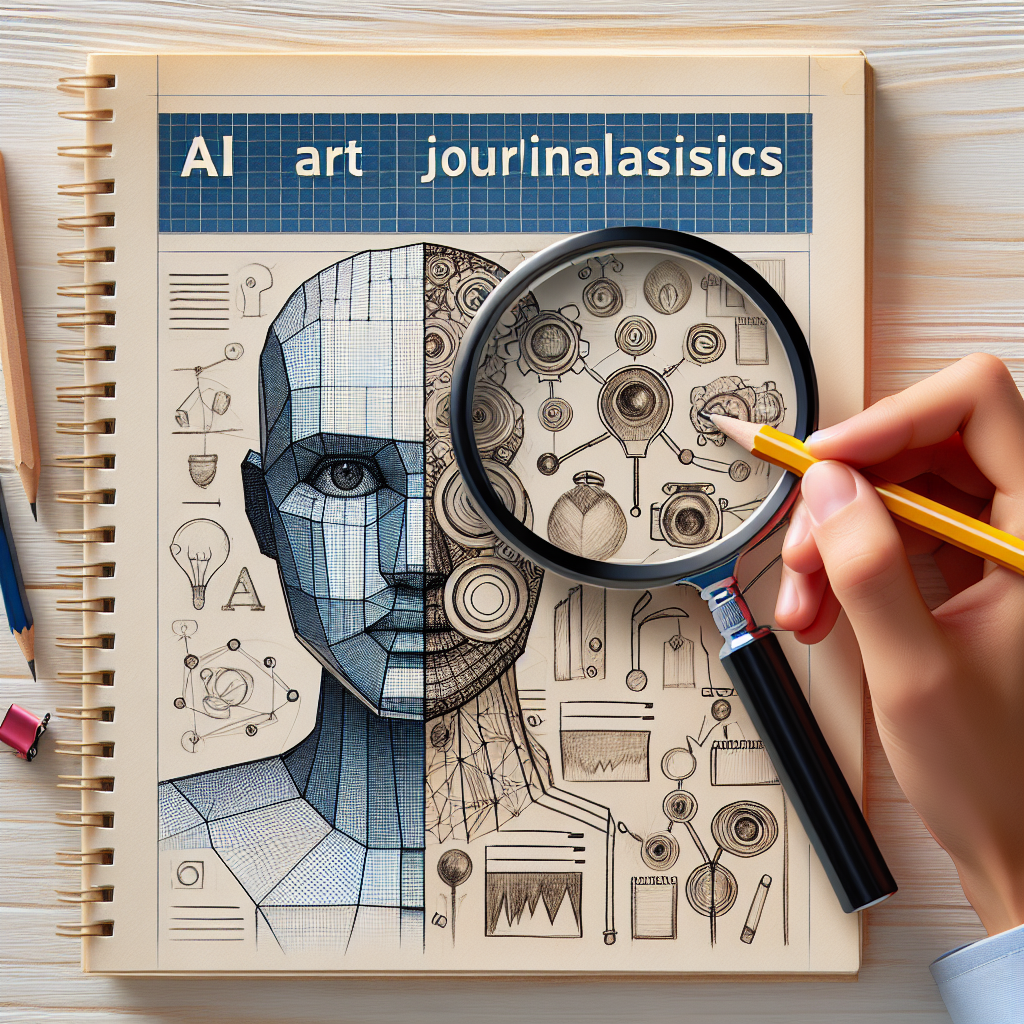
AI and Art Journalism: Analyzing Trends in Visual Arts
Art journalism has always played a crucial role in the art world, serving as a bridge between artists and their audience. With the rise of artificial intelligence (AI), the field of art journalism has seen significant changes, particularly in the way visual arts are analyzed and critiqued. In this article, we will explore how AI is impacting art journalism and how it is revolutionizing the way we understand and appreciate visual arts.
AI and Art Journalism: A Brief Overview
Art journalism has evolved significantly over the years, moving from traditional print media to online platforms and social media. With the advent of AI, art journalism has taken another leap forward, with AI-powered tools and technologies being used to analyze and interpret visual arts in new and innovative ways.
AI has the ability to process large amounts of data quickly and efficiently, allowing art journalists to analyze trends in visual arts with greater accuracy and depth. AI-powered tools can analyze artworks based on various parameters, such as color, composition, style, and subject matter, providing valuable insights into the artistic techniques and themes used by artists.
AI can also help art journalists identify emerging trends in visual arts, such as new artistic styles, techniques, or themes that are gaining popularity among artists and audiences. By analyzing large datasets of artworks, AI can uncover patterns and trends that may not be immediately apparent to human observers, providing a more comprehensive understanding of the art world.
AI and Art Criticism: A New Approach to Art Journalism
One of the key ways in which AI is impacting art journalism is in the area of art criticism. Traditionally, art critics have relied on their subjective opinions and expertise to evaluate and critique artworks. With AI, art criticism is becoming more data-driven and objective, with algorithms analyzing artworks based on predefined criteria and parameters.
AI-powered tools can analyze artworks based on various attributes, such as color, composition, texture, and subject matter, providing a more comprehensive and nuanced understanding of the artistic techniques and themes used by artists. This data-driven approach to art criticism can help art journalists provide more insightful and informed critiques of artworks, enriching the discourse surrounding visual arts.
AI can also help art journalists identify patterns and trends in the art world, such as the rise of new artistic styles or themes. By analyzing large datasets of artworks, AI can uncover emerging trends and patterns that may not be immediately apparent to human observers, providing valuable insights into the evolving landscape of visual arts.
AI and Art Journalism: Challenges and Opportunities
While AI has the potential to revolutionize art journalism, it also presents a number of challenges and opportunities for the field. One of the key challenges is the ethical implications of using AI to analyze and critique artworks. AI algorithms are programmed based on predefined criteria and parameters, which may not always align with the subjective and nuanced nature of art criticism. There is also the risk of bias in AI algorithms, which can influence the way artworks are analyzed and interpreted.
Another challenge is the need for art journalists to adapt to new technologies and tools powered by AI. While AI can enhance the capabilities of art journalists, it also requires them to develop new skills and expertise in working with data-driven tools and technologies. Art journalists will need to strike a balance between using AI to augment their work and maintaining the subjective and humanistic aspects of art criticism.
Despite these challenges, AI also presents numerous opportunities for art journalism. AI-powered tools can help art journalists analyze and interpret artworks in new and innovative ways, providing deeper insights into the artistic techniques and themes used by artists. AI can also help art journalists identify emerging trends in visual arts, providing a more comprehensive understanding of the evolving landscape of the art world.
FAQs
Q: How is AI impacting art journalism?
A: AI is revolutionizing art journalism by providing new tools and technologies for analyzing and critiquing visual arts. AI-powered tools can process large amounts of data quickly and efficiently, allowing art journalists to analyze trends in visual arts with greater accuracy and depth. AI can also help art journalists identify emerging trends in the art world, providing valuable insights into the evolving landscape of visual arts.
Q: What are some of the challenges of using AI in art journalism?
A: One of the key challenges of using AI in art journalism is the ethical implications of using AI algorithms to analyze and critique artworks. AI algorithms are programmed based on predefined criteria and parameters, which may not always align with the subjective and nuanced nature of art criticism. There is also the risk of bias in AI algorithms, which can influence the way artworks are analyzed and interpreted.
Q: What are some of the opportunities of using AI in art journalism?
A: Despite the challenges, AI presents numerous opportunities for art journalism. AI-powered tools can help art journalists analyze and interpret artworks in new and innovative ways, providing deeper insights into the artistic techniques and themes used by artists. AI can also help art journalists identify emerging trends in visual arts, providing a more comprehensive understanding of the evolving landscape of the art world.
In conclusion, AI is revolutionizing art journalism by providing new tools and technologies for analyzing and critiquing visual arts. While AI presents challenges, such as ethical implications and bias, it also offers opportunities for art journalists to enhance their work and provide more insightful and informed critiques of artworks. As AI continues to evolve, it will be interesting to see how it shapes the future of art journalism and the way we understand and appreciate visual arts.