
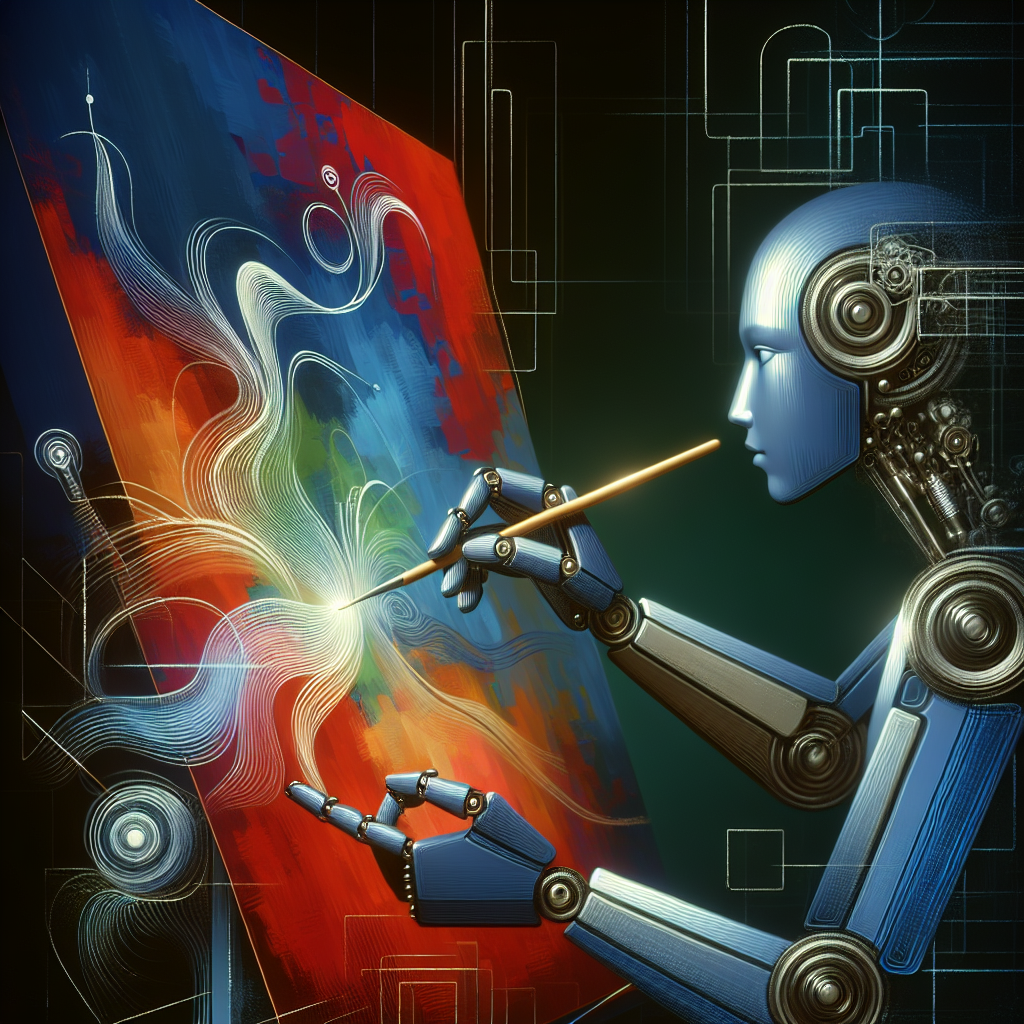
Artificial Intelligence (AI) has permeated almost every aspect of our lives, from driving cars to detecting diseases. But one area where AI is making a particularly profound impact is in the realm of creative expression. AI is being used to push the boundaries of art, enabling artists to explore new mediums, styles, and techniques that were previously unimaginable.
One of the most exciting aspects of AI in art is its ability to generate new and innovative ideas that can inspire human artists. AI algorithms can analyze vast amounts of data and identify patterns and trends that humans may overlook. This can lead to the creation of art that is both unique and thought-provoking. For example, an AI program called “The Next Rembrandt” was able to analyze all of Rembrandt’s paintings and create a new painting in his style, complete with intricate details and brush strokes.
AI is also being used to enhance the creative process for artists. For example, AI-powered tools like Adobe’s Sensei can analyze an artist’s style and suggest new ideas or techniques to help them improve their work. This can help artists break out of creative ruts and explore new avenues of expression.
Another way AI is pushing the boundaries of art is through the use of generative adversarial networks (GANs). GANs are a type of AI algorithm that consists of two neural networks – a generator and a discriminator – that work together to create new content. The generator creates new images or music based on a set of input data, while the discriminator evaluates the output and provides feedback to the generator. This iterative process can lead to the creation of highly realistic and creative content that is indistinguishable from human-generated art.
One of the most well-known examples of AI-generated art is the “Portrait of Edmond de Belamy” created by the art collective Obvious using GANs. The portrait was sold at auction for $432,500, sparking a debate about the role of AI in the art world and the definition of creativity.
AI is also being used to democratize the art world by making it more accessible to people who may not have traditional artistic skills. For example, apps like Prisma use AI algorithms to transform ordinary photos into artworks inspired by famous artists like Van Gogh or Picasso. This allows anyone to create beautiful and unique pieces of art without having to spend years honing their craft.
Despite the exciting possibilities that AI offers for creative expression, there are also concerns about the potential impact on the art world. Some critics argue that AI-generated art lacks the emotional depth and authenticity of human-created art. They worry that AI could devalue the work of human artists and replace them with soulless machines.
There are also ethical concerns about the use of AI in art, particularly in terms of copyright and ownership. Who owns the rights to AI-generated art – the artist who created the algorithm, the person who trained the algorithm, or the AI itself? These questions are still being debated in legal circles, and there is no clear consensus on the answers.
In conclusion, AI is pushing the boundaries of art in exciting and unexpected ways. From generating new ideas and enhancing the creative process to democratizing art and challenging traditional notions of creativity, AI is revolutionizing the art world. While there are valid concerns about the impact of AI on art, there is no denying the potential for AI to inspire new forms of artistic expression and creativity.
FAQs:
1. Can AI truly be creative?
While some argue that AI lacks the emotional depth and authenticity of human creativity, there is evidence to suggest that AI can indeed be creative. AI algorithms can analyze vast amounts of data and identify patterns and trends that humans may overlook, leading to the creation of art that is both unique and thought-provoking.
2. How is AI being used in the art world?
AI is being used in the art world in a variety of ways, including generating new ideas, enhancing the creative process, and democratizing art. AI algorithms can analyze data to create new artworks, suggest ideas or techniques to artists, and transform ordinary photos into artworks inspired by famous artists.
3. What are the ethical concerns surrounding AI in art?
There are ethical concerns surrounding the use of AI in art, particularly in terms of copyright and ownership. Questions about who owns the rights to AI-generated art – the artist who created the algorithm, the person who trained the algorithm, or the AI itself – are still being debated in legal circles.
4. How is AI revolutionizing the art world?
AI is revolutionizing the art world by pushing the boundaries of creativity and expression. From generating new ideas and enhancing the creative process to democratizing art and challenging traditional notions of creativity, AI is enabling artists to explore new mediums, styles, and techniques that were previously unimaginable.