
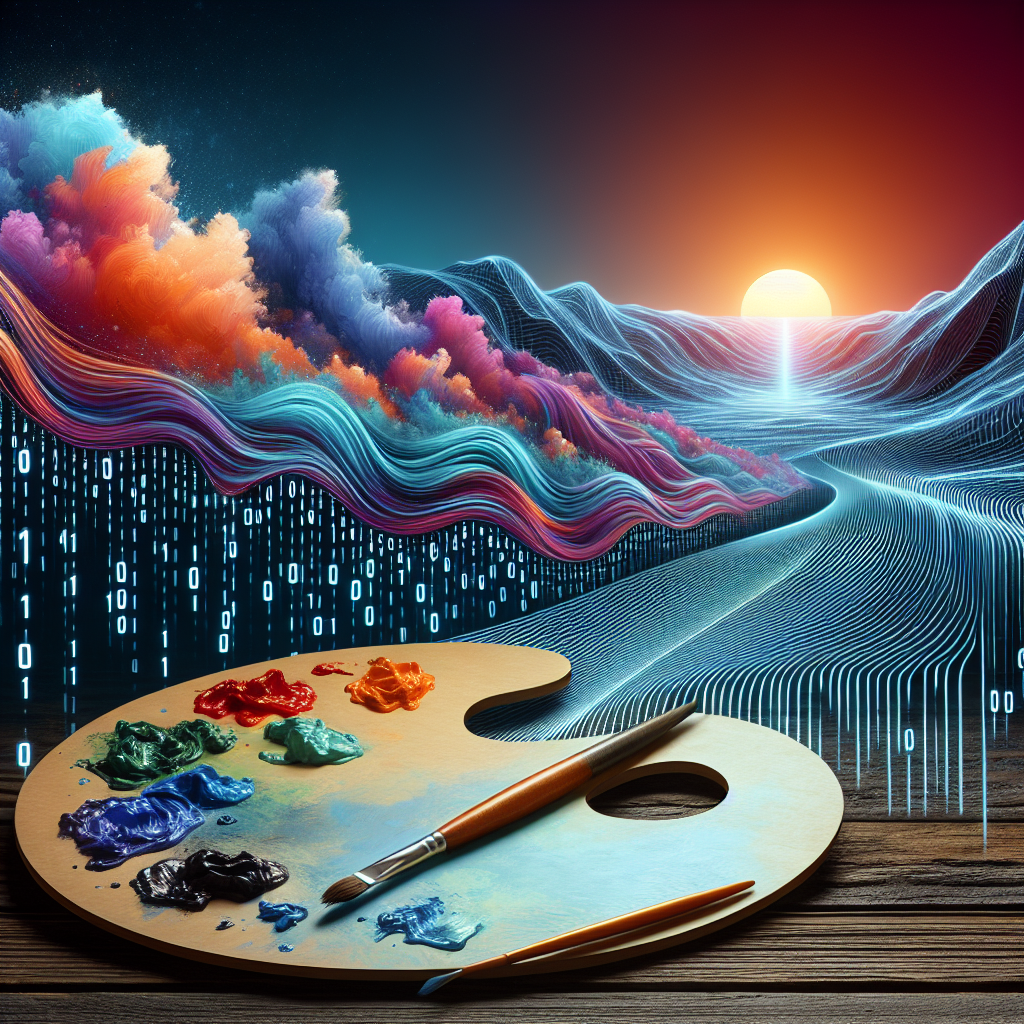
In the digital age, the combination of artificial intelligence (AI) and creativity has become a powerful force in various industries such as marketing, design, music, and more. AI has the ability to analyze vast amounts of data, identify patterns, and generate original ideas, making it a valuable tool for enhancing creativity and innovation. This article explores how AI is revolutionizing creativity and the challenges and opportunities it presents.
AI and Creativity: A Match Made in the Digital Age
AI has the potential to revolutionize the creative process by offering new tools and techniques to enhance human creativity. One of the key benefits of AI in creativity is its ability to generate novel ideas and solutions based on data analysis and machine learning algorithms. For example, AI can analyze customer data and trends to suggest new product ideas, design layouts, or marketing strategies that are likely to resonate with target audiences.
AI can also be used to automate repetitive tasks, freeing up human creators to focus on more strategic and innovative work. For example, AI-powered tools can generate design variations, edit photos, or write copy based on predefined parameters, allowing designers and marketers to iterate quickly and experiment with different ideas.
Furthermore, AI can help creators overcome creative blocks by providing inspiration and generating new ideas. AI-powered tools such as chatbots, virtual assistants, and content generators can engage with creators, ask questions, and suggest solutions to help them overcome creative hurdles.
In addition, AI can facilitate collaboration and ideation by enabling real-time feedback and communication between team members. AI-powered tools can analyze and synthesize input from multiple sources, identify common themes, and generate new ideas that incorporate diverse perspectives.
However, despite the potential benefits of AI in creativity, there are also challenges and limitations to consider. One of the main concerns is the perceived threat of AI replacing human creativity and jobs. While AI can automate certain tasks and streamline workflows, it cannot replace the human element of creativity, intuition, and emotional connection. Human creators bring a unique perspective, empathy, and storytelling ability that AI currently lacks.
Another challenge is the potential bias and limitations of AI algorithms. AI systems are only as good as the data they are trained on, which can lead to biased or flawed outcomes. For example, AI algorithms may perpetuate stereotypes, overlook marginalized voices, or fail to consider ethical and cultural factors in creative decision-making.
Furthermore, there are concerns about the ethical implications of AI in creativity, such as intellectual property rights, privacy issues, and the impact on society. For example, AI-generated content raises questions about ownership, attribution, and authenticity in creative works. Creators and consumers need to be aware of these issues and advocate for transparent and responsible AI practices.
Despite these challenges, the combination of AI and creativity offers exciting opportunities for innovation and growth in various industries. By harnessing the power of AI to augment human creativity, organizations can unlock new possibilities, drive competitive advantage, and deliver value to customers.
FAQs:
Q: How can AI enhance creativity in marketing and advertising?
A: AI can help marketers and advertisers analyze customer data, personalize messaging, and optimize campaigns to reach target audiences more effectively. AI-powered tools can automate tasks such as ad placement, A/B testing, and audience segmentation, freeing up marketers to focus on strategy and creative ideation.
Q: What are some examples of AI-powered creativity tools?
A: Some examples of AI-powered creativity tools include Adobe Sensei for image editing, Canva for design templates, OpenAI for language generation, and IBM Watson for data analysis and insights. These tools use machine learning algorithms to assist creators in generating ideas, optimizing workflows, and enhancing collaboration.
Q: How can creators ensure ethical AI practices in their work?
A: Creators can ensure ethical AI practices by being transparent about the use of AI in their creative process, considering the impact on diverse audiences, and advocating for fair and inclusive AI algorithms. It is important to prioritize ethical values such as privacy, diversity, and accountability in AI-driven creative projects.
Q: What are some future trends in AI and creativity?
A: Some future trends in AI and creativity include the use of generative adversarial networks (GANs) for creating realistic images and videos, the integration of AI with virtual and augmented reality technologies for immersive experiences, and the development of AI-powered storytelling and content creation tools for enhanced engagement.
In conclusion, AI and creativity are a match made in the digital age, offering new opportunities for innovation, collaboration, and growth in various industries. By embracing the power of AI to augment human creativity, organizations can unlock new possibilities, drive competitive advantage, and deliver value to customers. However, it is essential to address the challenges and ethical implications of AI in creativity to ensure responsible and inclusive practices. By navigating these complexities and leveraging the potential of AI, creators can harness the power of technology to inspire, engage, and transform the world of creativity.