
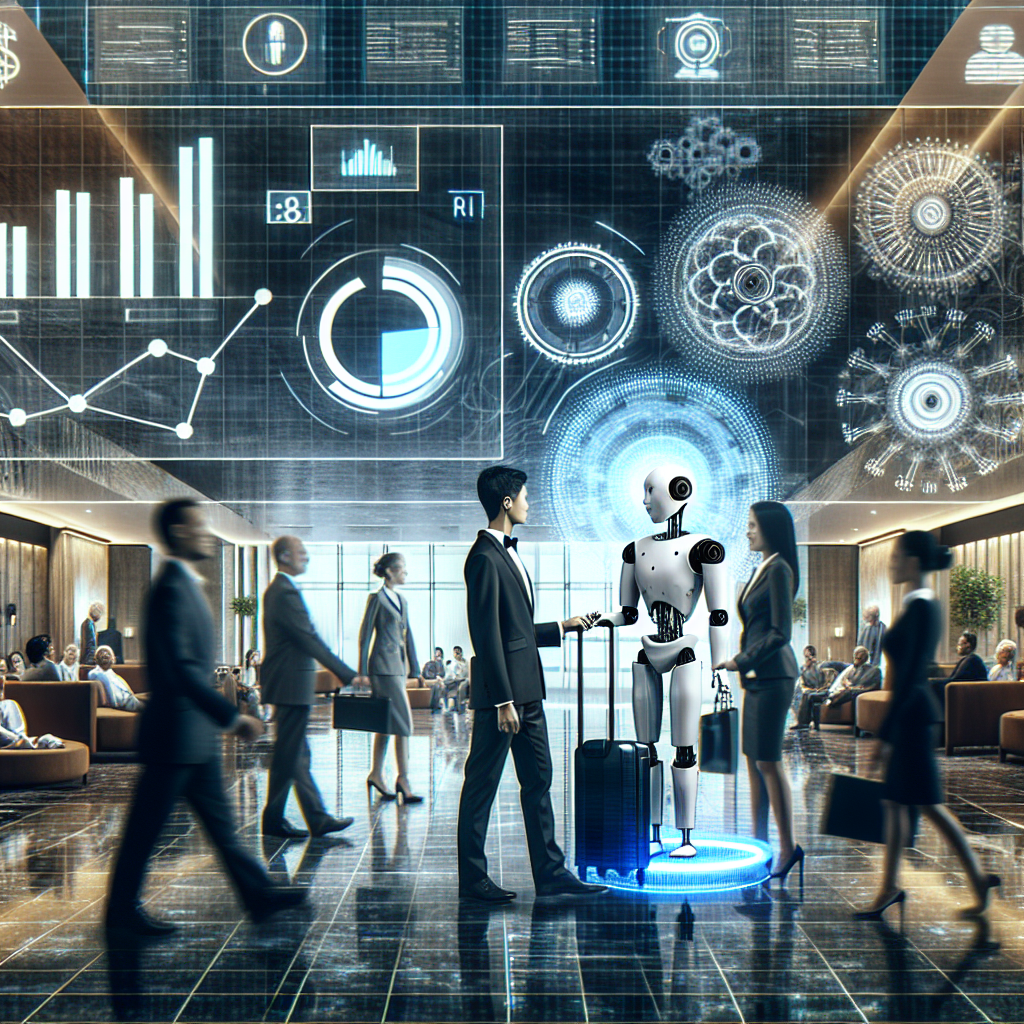
In recent years, the hospitality industry has seen a significant transformation thanks to the integration of artificial intelligence (AI) and data analytics. These technologies have revolutionized the way hotels, restaurants, and other businesses in the sector operate, making processes more efficient and personalized for customers. In this article, we will explore the impact of AI and data analytics in the hospitality sector, as well as some frequently asked questions about these technologies.
AI and Data Analytics in the Hospitality Sector
AI and data analytics have become essential tools for businesses in the hospitality sector to stay competitive in today’s digital age. These technologies allow companies to collect and analyze vast amounts of data from various sources, such as customer interactions, booking patterns, and social media feedback, to make informed decisions and improve the overall customer experience.
One of the key areas where AI and data analytics are making a significant impact is in customer service. AI-powered chatbots and virtual assistants are being used by hotels and restaurants to provide instant responses to customer inquiries, handle bookings, and personalize recommendations based on individual preferences. These chatbots can also assist with room service requests, provide information about local attractions, and even offer personalized promotions to guests.
Data analytics is also helping businesses in the hospitality sector better understand their customers’ behavior and preferences. By analyzing data from past interactions, businesses can identify trends and patterns that can be used to tailor marketing campaigns, improve service offerings, and enhance customer loyalty. For example, hotels can use data analytics to predict peak booking times, optimize room rates, and offer personalized packages to guests based on their past behavior.
AI and data analytics are also being used to enhance operational efficiency in the hospitality sector. Predictive analytics can help businesses forecast demand for rooms and services, optimize staffing levels, and reduce waste in food and beverage operations. AI-powered systems can also automate routine tasks, such as inventory management, housekeeping schedules, and maintenance requests, freeing up staff to focus on more strategic initiatives.
Overall, AI and data analytics are transforming the hospitality sector by enabling businesses to provide more personalized, efficient, and seamless experiences for their customers. These technologies are helping businesses stay ahead of the competition, drive revenue growth, and improve operational efficiency in an increasingly competitive market.
FAQs about AI and Data Analytics in the Hospitality Sector
Q: How can AI and data analytics help businesses in the hospitality sector improve customer service?
A: AI-powered chatbots and virtual assistants can provide instant responses to customer inquiries, handle bookings, and personalize recommendations based on individual preferences. Data analytics can help businesses understand customer behavior and preferences, allowing them to tailor marketing campaigns, improve service offerings, and enhance customer loyalty.
Q: What are some examples of AI and data analytics applications in the hospitality sector?
A: Some examples of AI and data analytics applications in the hospitality sector include predictive analytics for demand forecasting, chatbots for customer service, personalized marketing campaigns, and automation of routine tasks such as inventory management and housekeeping schedules.
Q: How can businesses in the hospitality sector implement AI and data analytics solutions?
A: Businesses in the hospitality sector can implement AI and data analytics solutions by partnering with technology vendors that specialize in these areas, hiring data scientists and AI experts, and investing in training programs for existing staff. It’s essential for businesses to have a clear strategy and goals for implementing these technologies to ensure success.
Q: What are the benefits of using AI and data analytics in the hospitality sector?
A: The benefits of using AI and data analytics in the hospitality sector include improved customer service, personalized experiences, operational efficiency, cost savings, and revenue growth. These technologies can help businesses stay competitive in today’s digital age and meet the evolving needs of their customers.
Q: Are there any challenges associated with implementing AI and data analytics in the hospitality sector?
A: Some challenges associated with implementing AI and data analytics in the hospitality sector include data privacy and security concerns, the need for specialized skill sets, integration with existing systems, and the potential for resistance from staff. Businesses must address these challenges proactively to ensure a successful implementation.
In conclusion, AI and data analytics are transforming the hospitality sector by enabling businesses to provide more personalized, efficient, and seamless experiences for their customers. These technologies are helping businesses stay ahead of the competition, drive revenue growth, and improve operational efficiency in an increasingly competitive market. By leveraging the power of AI and data analytics, businesses in the hospitality sector can better understand their customers, optimize their operations, and deliver exceptional service that keeps guests coming back for more.