
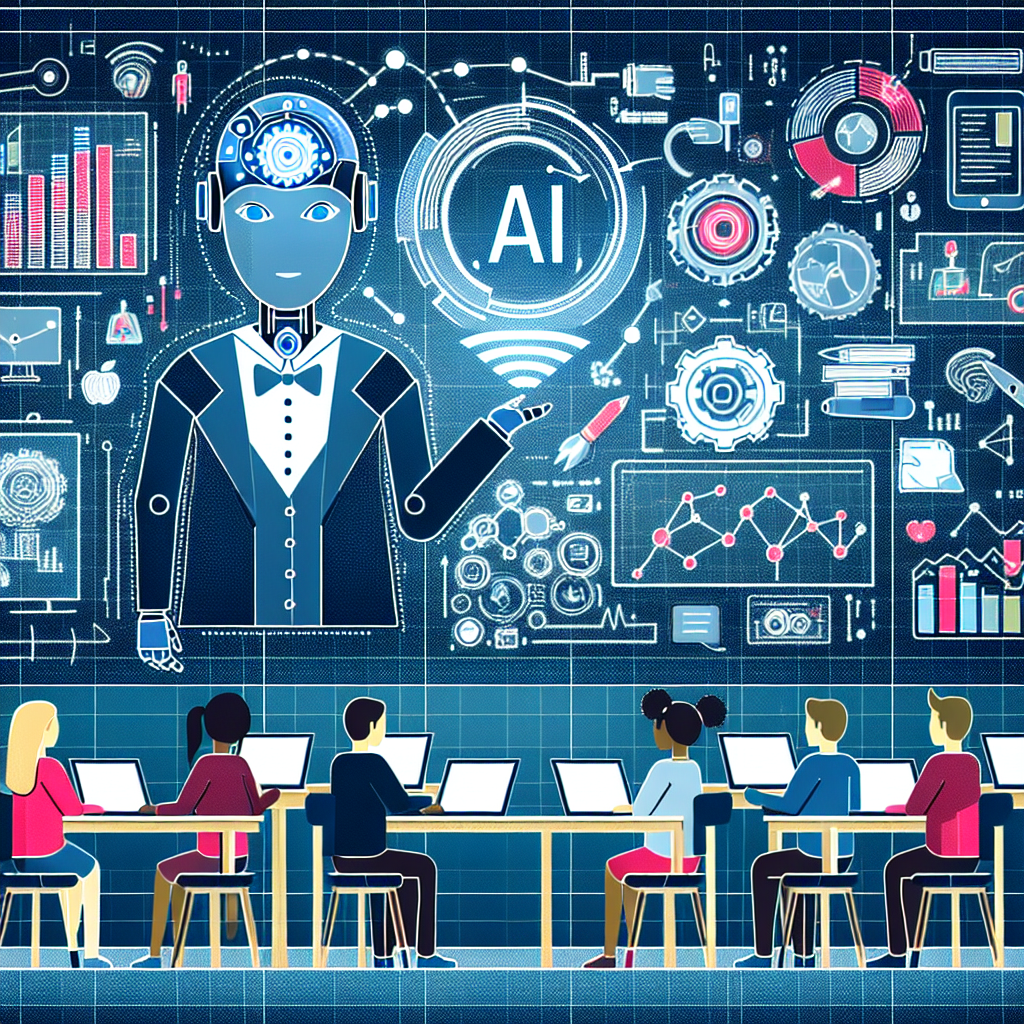
As technology continues to advance at a rapid pace, the integration of artificial intelligence (AI) and digital literacy in education has become increasingly important. AI refers to the simulation of human intelligence processes by machines, while digital literacy encompasses the ability to find, evaluate, utilize, and create information using digital technology. In the education sector, AI and digital literacy are playing a crucial role in transforming teaching and learning processes, making them more effective and engaging for students.
AI in Education
AI has the potential to revolutionize education by personalizing learning experiences for students, automating administrative tasks for teachers, and providing valuable insights for educational institutions. One of the key benefits of AI in education is its ability to adapt to the individual learning needs of students. By analyzing students’ performance data and behavior patterns, AI can create personalized learning pathways that cater to each student’s strengths and weaknesses. This personalized approach helps students stay engaged and motivated, leading to improved learning outcomes.
AI can also assist teachers in automating administrative tasks such as grading assignments, scheduling classes, and managing student records. By freeing up teachers’ time from these routine tasks, AI allows them to focus on more meaningful activities such as developing innovative teaching strategies and providing individualized support to students.
Furthermore, AI can provide valuable insights for educational institutions by analyzing large amounts of data to identify trends and patterns in student performance, attendance, and engagement. This data-driven approach enables institutions to make informed decisions about curriculum development, resource allocation, and student support services, ultimately leading to better outcomes for students.
Digital Literacy in Education
Digital literacy is another essential component of modern education, as it empowers students to navigate and critically evaluate the vast amount of information available online. In today’s digital age, students need to develop skills such as information literacy, media literacy, and digital citizenship to effectively communicate, collaborate, and solve problems in a digital environment.
Information literacy involves the ability to search for, evaluate, and use information from a variety of sources, while media literacy focuses on understanding and analyzing media messages in various forms such as text, images, and videos. Digital citizenship encompasses the responsible use of technology and online resources, including respecting others’ privacy, intellectual property rights, and online safety.
By incorporating digital literacy into the curriculum, educators can help students develop the skills and competencies needed to thrive in a digital society. Digital literacy also enables students to become critical thinkers and problem solvers, as they learn to discern credible information from fake news, identify biases in media content, and engage in respectful online communication.
FAQs on AI and Digital Literacy in Education
Q: How can AI enhance personalized learning in education?
A: AI can analyze students’ performance data and behavior patterns to create personalized learning pathways that cater to their individual needs and preferences. By adapting the curriculum and teaching methods to each student’s learning style, AI can help students achieve better outcomes.
Q: What are the benefits of incorporating digital literacy in education?
A: Digital literacy empowers students to navigate and critically evaluate the vast amount of information available online, develop essential skills for the digital age, and become responsible digital citizens. It also enables students to communicate, collaborate, and solve problems effectively in a digital environment.
Q: How can educators promote digital literacy in the classroom?
A: Educators can promote digital literacy by integrating technology into the curriculum, teaching students how to search for, evaluate, and use information from a variety of sources, and fostering critical thinking and problem-solving skills. They can also provide guidance on responsible online behavior, including respecting others’ privacy and intellectual property rights.
Q: What are some examples of AI tools used in education?
A: Some examples of AI tools used in education include adaptive learning platforms that personalize learning experiences for students, chatbots that provide instant support to students and teachers, and predictive analytics software that helps institutions analyze student data to improve outcomes.