
Introduction
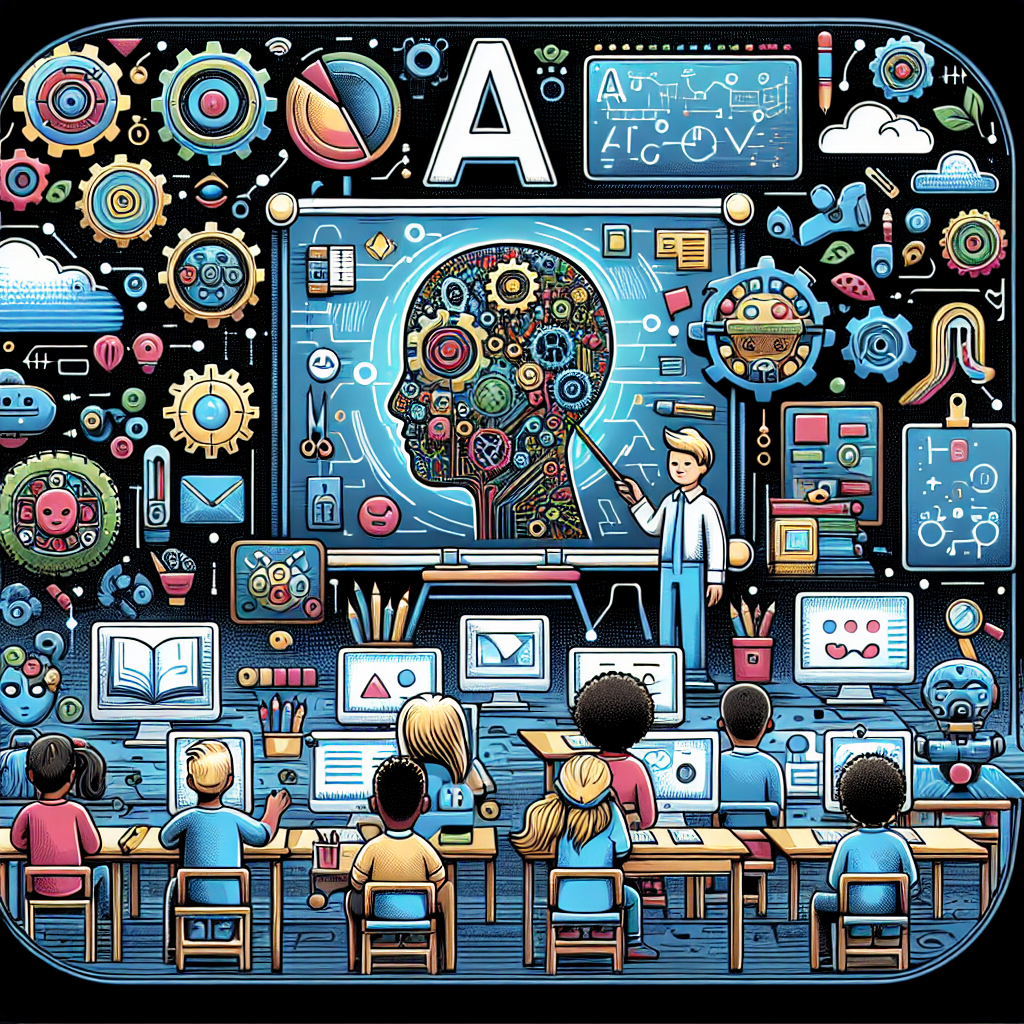
Artificial Intelligence (AI) has been making significant advancements in various fields, including education. One of the key areas where AI is being utilized is in early intervention in education. Early intervention refers to the targeted support and services provided to children who are at risk of falling behind in their education. AI technologies are being used to identify these children early on and provide personalized interventions to help them succeed in school.
AI in Early Intervention
AI is being used in early intervention in education in a variety of ways. One of the key uses of AI is in identifying students who are at risk of falling behind academically. AI algorithms can analyze large amounts of data, such as student test scores, attendance records, and behavior patterns, to identify students who may be struggling in school. By identifying these students early on, educators can provide targeted interventions to help them catch up and succeed.
AI is also being used to provide personalized learning experiences for students. By analyzing data on how students learn best, AI algorithms can create customized learning paths for each student. This can help students learn at their own pace and in a way that works best for them, leading to better academic outcomes.
Another way AI is being used in early intervention in education is in providing support to teachers. AI-powered tools can help teachers analyze student data, identify trends, and suggest interventions to help students succeed. This can help teachers make more informed decisions about how to support their students and improve overall student outcomes.
FAQs
Q: How does AI identify students who are at risk of falling behind academically?
A: AI algorithms analyze various data points, such as student test scores, attendance records, and behavior patterns, to identify students who may be struggling in school. By analyzing this data, AI can pinpoint students who may need additional support to succeed academically.
Q: How does AI provide personalized learning experiences for students?
A: AI algorithms analyze data on how students learn best, such as their learning styles and preferences. Based on this data, AI can create customized learning paths for each student, helping them learn at their own pace and in a way that works best for them.
Q: How can AI support teachers in early intervention in education?
A: AI-powered tools can help teachers analyze student data, identify trends, and suggest interventions to help students succeed. By providing teachers with valuable insights and recommendations, AI can help teachers make more informed decisions about how to support their students.
Q: What are the benefits of using AI in early intervention in education?
A: Some benefits of using AI in early intervention in education include early identification of students at risk of falling behind academically, personalized learning experiences for students, and support for teachers in making data-driven decisions to help students succeed.
Conclusion
AI is playing a crucial role in early intervention in education by helping identify students who are at risk of falling behind academically, providing personalized learning experiences, and supporting teachers in making data-driven decisions. By leveraging AI technologies, educators can better support students in their academic journey and help them succeed in school. As AI continues to advance, we can expect to see even more innovative solutions for early intervention in education that will benefit students, teachers, and schools alike.