
AI and Education Journalism: Analyzing Trends in Learning and Teaching
Artificial Intelligence (AI) has been making significant strides in various fields, and one area where its impact is being keenly felt is in education journalism. As technology continues to advance, educators and journalists alike are exploring the ways in which AI can be leveraged to enhance the learning experience and improve the quality of education reporting. In this article, we will delve into the current trends in AI and education journalism, and examine the key ways in which this powerful technology is reshaping the landscape of teaching and learning.
Trends in AI and Education Journalism
1. Personalized Learning: One of the most exciting applications of AI in education is the ability to personalize learning experiences for students. By analyzing data on student performance and behavior, AI algorithms can tailor educational content to meet the individual needs and preferences of each student. This not only helps to improve student engagement and retention, but also allows teachers to focus their efforts on areas where students need the most help.
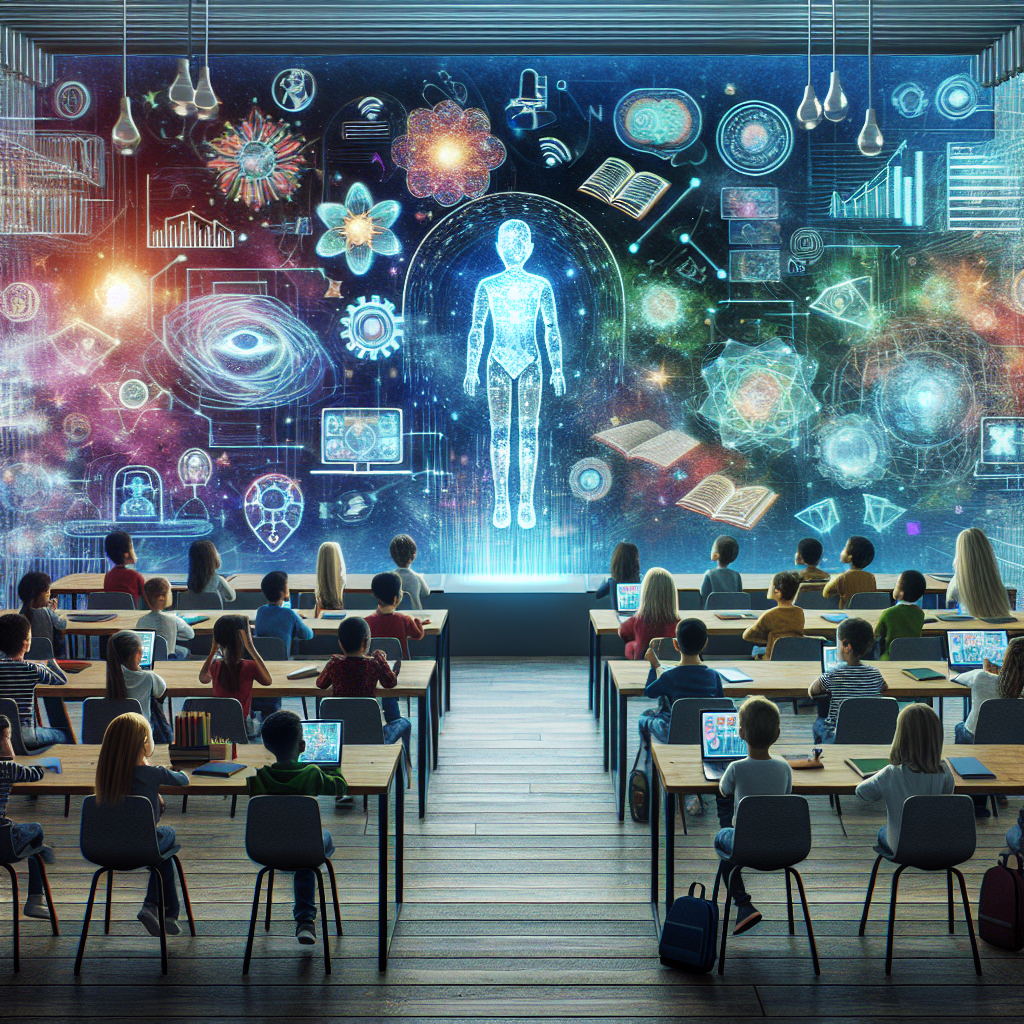
2. Virtual Classrooms: With the rise of online learning platforms, virtual classrooms have become increasingly popular. AI technology is being used to create more immersive and interactive virtual learning environments, where students can engage with course materials in a more dynamic and engaging way. Virtual classrooms powered by AI can also provide real-time feedback to students, helping them to track their progress and identify areas for improvement.
3. Automated Grading: Grading assignments and exams can be a time-consuming task for educators, but AI technology is changing that. Automated grading tools powered by AI can quickly and accurately assess student work, providing instant feedback to both students and teachers. This not only saves time for educators, but also helps to ensure that grading is fair and consistent across all students.
4. Data Analysis: AI algorithms are increasingly being used to analyze large amounts of data in education, helping educators to identify trends and patterns that can inform their teaching practices. By analyzing student performance data, for example, educators can identify areas where students are struggling and adjust their teaching strategies accordingly. Data analysis powered by AI can also help to identify at-risk students who may need additional support.
5. Content Creation: AI technology is also being used to create educational content, such as interactive textbooks and online courses. By analyzing existing educational materials and curating relevant content, AI algorithms can help educators to create more engaging and effective learning resources for their students. This not only saves time for educators, but also ensures that educational content is up-to-date and relevant to students’ needs.
FAQs:
Q: How is AI being used to personalize learning experiences for students?
A: AI algorithms analyze data on student performance and behavior to tailor educational content to meet the individual needs and preferences of each student. This helps to improve student engagement and retention, and allows teachers to focus their efforts on areas where students need the most help.
Q: How are virtual classrooms being enhanced by AI technology?
A: AI technology is being used to create more immersive and interactive virtual learning environments, where students can engage with course materials in a dynamic and engaging way. Virtual classrooms powered by AI provide real-time feedback to students, helping them track their progress and identify areas for improvement.
Q: How does automated grading powered by AI benefit educators and students?
A: Automated grading tools powered by AI can quickly and accurately assess student work, providing instant feedback to both students and teachers. This saves time for educators and ensures that grading is fair and consistent across all students.
Q: How does data analysis powered by AI help educators improve their teaching practices?
A: AI algorithms analyze large amounts of data in education to identify trends and patterns that can inform teaching practices. By analyzing student performance data, educators can identify areas where students are struggling and adjust their teaching strategies accordingly.
Q: How is AI being used to create educational content?
A: AI technology analyzes existing educational materials and curates relevant content to help educators create more engaging and effective learning resources for their students. This saves time for educators and ensures that educational content is up-to-date and relevant to students’ needs.
In conclusion, AI technology is playing a transformative role in education journalism, enabling educators and journalists to leverage data-driven insights and personalized learning experiences to enhance the quality of education and reporting. As AI continues to advance, we can expect to see even more innovative applications of this powerful technology in the field of education.