
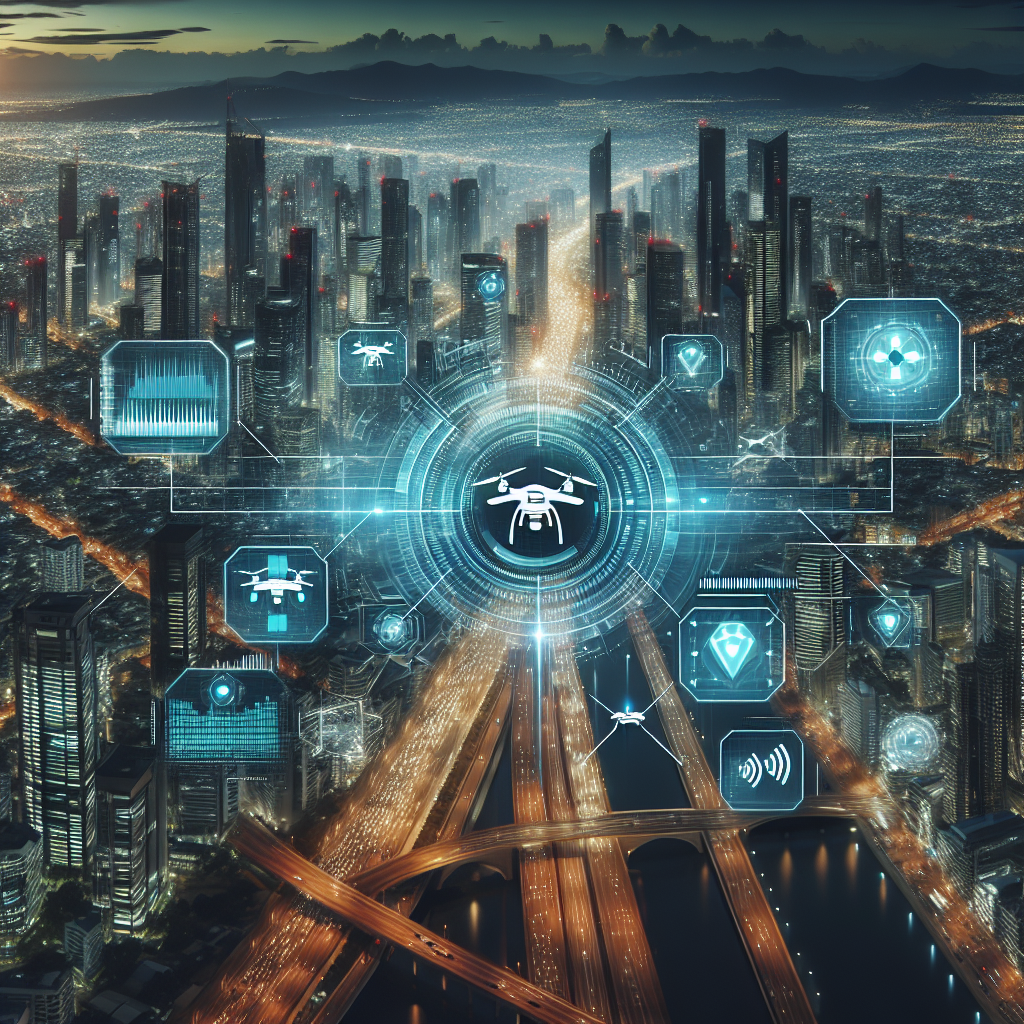
Artificial Intelligence (AI) has revolutionized many industries, and emergency response systems are no exception. With the ability to analyze vast amounts of data in real-time, AI can greatly enhance emergency response efforts, leading to quicker response times and more effective outcomes. In this article, we will explore the role of AI in emergency response systems, its benefits, challenges, and the future of this technology.
Role of AI in Emergency Response Systems
AI can play a crucial role in every aspect of emergency response systems, from dispatching emergency services to coordinating response efforts and providing real-time updates to stakeholders. Here are some key ways in which AI is transforming emergency response systems:
1. Predictive Analytics: AI algorithms can analyze historical data, weather patterns, traffic conditions, and other relevant factors to predict when and where emergencies are likely to occur. This allows emergency services to proactively deploy resources to high-risk areas, reducing response times and saving lives.
2. Resource Allocation: AI can optimize the allocation of resources during emergencies by analyzing real-time data on the location of emergency vehicles, the severity of incidents, and the availability of nearby hospitals and other facilities. This ensures that resources are deployed efficiently and effectively, maximizing the impact of emergency response efforts.
3. Situational Awareness: AI-powered sensors and cameras can provide real-time data on the ground conditions during emergencies, such as the location of fires, the extent of flooding, or the presence of hazardous materials. This information is crucial for emergency responders to make informed decisions and prioritize their actions accordingly.
4. Communication and Coordination: AI can facilitate communication and coordination among different emergency response agencies, such as police, fire departments, and medical services. By integrating data from multiple sources and providing a common platform for collaboration, AI can ensure seamless communication and coordination during emergencies.
Benefits of AI in Emergency Response Systems
The integration of AI into emergency response systems offers a wide range of benefits, including:
1. Faster Response Times: AI algorithms can analyze data in real-time and automatically dispatch emergency services to the scene of an incident. This leads to faster response times, which are critical in saving lives during emergencies.
2. Improved Decision-Making: AI can provide emergency responders with valuable insights and recommendations based on data analysis, enabling them to make better-informed decisions under pressure.
3. Enhanced Situational Awareness: AI-powered sensors and cameras can provide real-time updates on the ground conditions during emergencies, allowing emergency responders to assess the situation accurately and respond effectively.
4. Resource Optimization: AI algorithms can optimize the allocation of resources during emergencies, ensuring that the right resources are deployed to the right place at the right time.
Challenges of AI in Emergency Response Systems
While the benefits of AI in emergency response systems are significant, there are also several challenges that need to be addressed, including:
1. Data Privacy and Security: AI systems rely on vast amounts of data to function effectively, raising concerns about data privacy and security. Emergency response agencies must ensure that sensitive information is protected and that AI algorithms comply with data protection regulations.
2. Bias and Fairness: AI algorithms can be biased if they are trained on biased data, leading to unfair outcomes in emergency response efforts. It is essential to address bias in AI systems to ensure that they are fair and equitable.
3. Technical Limitations: AI systems may have technical limitations, such as the inability to process certain types of data or to adapt to rapidly changing conditions. Emergency response agencies must be aware of these limitations and take them into account when deploying AI technology.
4. Integration with Legacy Systems: Many emergency response systems are based on legacy technology that may not be compatible with AI. Integrating AI into existing systems can be complex and require significant resources.
Future of AI in Emergency Response Systems
Despite the challenges, the future of AI in emergency response systems looks promising. As AI technology continues to advance, we can expect to see even more innovative applications in emergency response, such as:
1. Autonomous Emergency Vehicles: AI-powered drones and robots could be deployed to provide emergency services in hard-to-reach or dangerous areas, such as disaster zones or hazardous environments.
2. Personalized Emergency Alerts: AI algorithms could analyze individual data, such as health conditions and location, to provide personalized emergency alerts and recommendations to at-risk individuals.
3. Predictive Modeling: AI can be used to develop predictive models that anticipate future emergencies based on historical data and environmental factors, enabling proactive response planning.
4. Enhanced Communication: AI-powered chatbots and virtual assistants could be used to provide real-time updates and guidance to the public during emergencies, reducing the burden on emergency call centers.
FAQs
Q: How does AI help in predicting emergencies?
A: AI algorithms can analyze historical data, weather patterns, traffic conditions, and other relevant factors to predict when and where emergencies are likely to occur. This allows emergency services to proactively deploy resources to high-risk areas, reducing response times and saving lives.
Q: What data sources does AI use in emergency response systems?
A: AI in emergency response systems can utilize a wide range of data sources, including historical incident data, weather data, traffic data, sensor data, social media feeds, and more. By integrating data from multiple sources, AI can provide a comprehensive view of the situation and enable better decision-making.
Q: How can AI improve communication and coordination among emergency response agencies?
A: AI can facilitate communication and coordination among different emergency response agencies by integrating data from multiple sources and providing a common platform for collaboration. By enabling real-time information sharing and seamless communication, AI can ensure that emergency responders work together effectively during emergencies.
In conclusion, AI has the potential to revolutionize emergency response systems by improving response times, decision-making, situational awareness, and resource allocation. While there are challenges that need to be addressed, the benefits of AI in emergency response systems are significant, and the future looks promising. By harnessing the power of AI, emergency response agencies can enhance their capabilities and save more lives during emergencies.