
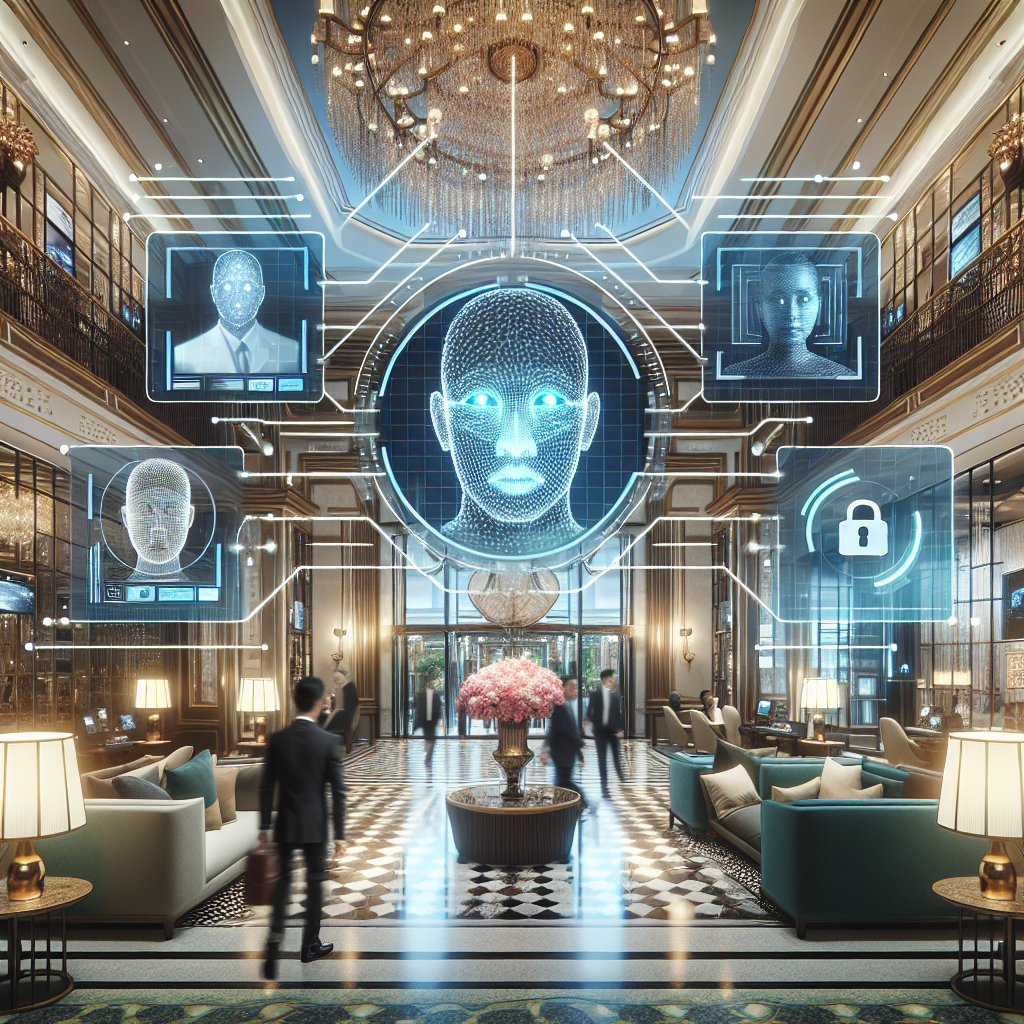
With the advancement of technology, hotels are increasingly turning to artificial intelligence (AI) and facial recognition technology to enhance security measures. These cutting-edge technologies are revolutionizing the way hotels monitor and protect their properties, guests, and staff. In this article, we will explore how AI and facial recognition technology are being used in hotel security, the benefits they offer, and some frequently asked questions about their implementation.
AI and facial recognition technology in hotel security
AI and facial recognition technology have become invaluable tools in hotel security, providing a higher level of protection and efficiency compared to traditional security measures. These technologies can be used in various ways to enhance the overall security of a hotel, including:
1. Access control: AI-powered facial recognition technology can be used to control access to restricted areas within a hotel, such as staff-only areas, VIP lounges, and secure storage rooms. By scanning a person’s face, the system can quickly verify their identity and grant or deny access accordingly. This not only enhances security but also streamlines the access control process, reducing the need for physical keys or access cards.
2. Guest identification: Facial recognition technology can also be used to identify and verify guests at check-in and check-out processes. By scanning a guest’s face, the system can automatically pull up their reservation information, verify their identity, and update their status in the hotel’s database. This helps streamline the guest experience and ensures that only authorized individuals are staying on the property.
3. Surveillance: AI-powered facial recognition technology can enhance the effectiveness of surveillance cameras by automatically identifying and tracking individuals of interest. This can be particularly useful in monitoring for suspicious behavior, identifying known criminals, or tracking the movements of high-profile guests. By integrating facial recognition technology with existing surveillance systems, hotels can improve their overall security posture and response capabilities.
4. Threat detection: AI algorithms can be trained to detect potential threats or security breaches based on facial recognition data. For example, the system can be programmed to alert security personnel if a person of interest enters the hotel premises or if an unauthorized individual attempts to access a restricted area. By using AI to analyze facial recognition data in real-time, hotels can proactively respond to security threats and prevent potential incidents from occurring.
Benefits of AI and facial recognition technology in hotel security
The use of AI and facial recognition technology in hotel security offers several key benefits, including:
1. Enhanced security: AI and facial recognition technology provide a higher level of security compared to traditional security measures, such as keys, access cards, or manual surveillance. By leveraging biometric data and machine learning algorithms, hotels can accurately identify individuals, track their movements, and detect potential security threats in real-time.
2. Improved efficiency: AI-powered facial recognition technology streamlines security processes, such as access control, guest identification, and surveillance. By automating these tasks, hotels can reduce the need for manual intervention, minimize human error, and improve overall operational efficiency. This allows security personnel to focus on more critical tasks, such as responding to security incidents or emergencies.
3. Enhanced guest experience: By using facial recognition technology for guest identification and check-in processes, hotels can provide a seamless and personalized experience for their guests. This technology eliminates the need for physical documents or identification cards, reducing wait times and enhancing the overall guest experience. Guests can feel more secure knowing that the hotel is using advanced security measures to protect their personal information and ensure their safety.
4. Scalability: AI and facial recognition technology can easily scale to meet the evolving security needs of a hotel. As the property expands or the security requirements change, the technology can be adapted and upgraded to accommodate these changes. This scalability ensures that hotels can maintain a high level of security without significant investments in additional resources or infrastructure.
Frequently asked questions about AI and facial recognition technology in hotel security
Q: Is facial recognition technology secure and reliable for hotel security purposes?
A: Facial recognition technology has advanced significantly in recent years, making it a secure and reliable option for hotel security. The technology uses biometric data to verify an individual’s identity, making it difficult for unauthorized individuals to gain access to restricted areas or information. However, hotels should still implement additional security measures, such as encryption, multi-factor authentication, and data protection protocols, to ensure the integrity and confidentiality of the facial recognition data.
Q: How does facial recognition technology comply with privacy regulations and laws?
A: Hotels that use facial recognition technology must comply with privacy regulations and laws, such as the General Data Protection Regulation (GDPR) in Europe or the California Consumer Privacy Act (CCPA) in the United States. These regulations require hotels to obtain consent from individuals before collecting their biometric data, inform them of how the data will be used, and protect the data from unauthorized access or misuse. Hotels should also implement security measures, such as data encryption, access controls, and data retention policies, to comply with privacy regulations and laws.
Q: Are there any limitations or challenges associated with facial recognition technology in hotel security?
A: While facial recognition technology offers many benefits for hotel security, there are some limitations and challenges to consider. For example, the technology may have difficulty recognizing individuals with certain facial features, such as facial hair, glasses, or hats. Additionally, the accuracy of facial recognition technology can be affected by lighting conditions, camera angles, and image quality. Hotels should address these limitations by implementing additional security measures, such as manual verification processes or biometric authentication methods, to ensure the reliability and effectiveness of the technology.
Q: How can hotels ensure the ethical use of facial recognition technology in hotel security?
A: Hotels should establish clear policies and guidelines for the ethical use of facial recognition technology in hotel security. This includes obtaining consent from individuals before collecting their biometric data, informing them of how the data will be used, and providing them with the option to opt-out of the technology if they have privacy concerns. Hotels should also regularly audit and monitor the use of facial recognition technology to ensure compliance with ethical standards and best practices. By promoting transparency, accountability, and respect for individuals’ privacy rights, hotels can ensure the ethical use of facial recognition technology in hotel security.
In conclusion, AI and facial recognition technology are transforming hotel security by providing a higher level of protection, efficiency, and scalability compared to traditional security measures. By leveraging these cutting-edge technologies, hotels can enhance their security posture, improve the guest experience, and proactively respond to security threats. With the right policies, procedures, and safeguards in place, hotels can successfully implement facial recognition technology in their security operations while ensuring compliance with privacy regulations and ethical standards.