
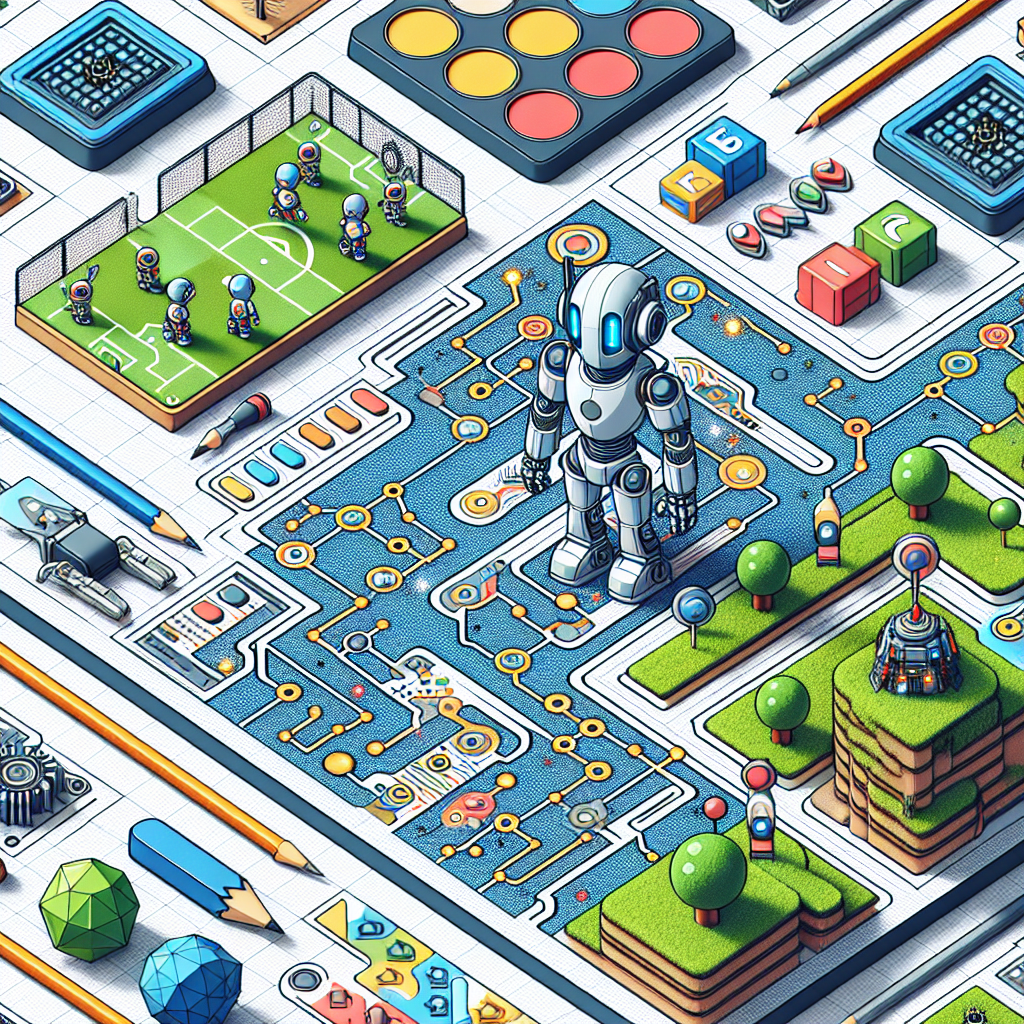
Artificial Intelligence (AI) has become an integral part of many industries, including the gaming industry. One area where AI has had a significant impact is in game level design. Game level design is the process of creating the environments, challenges, and obstacles that players encounter as they progress through a game. AI can be used to help streamline this process, making it more efficient and allowing for more dynamic and engaging gameplay experiences.
AI in game level design can be used in a variety of ways, from creating procedural levels to optimizing existing levels based on player behavior. This technology has the potential to revolutionize the way games are created, allowing for more complex and immersive experiences for players. In this article, we will explore the role of AI in game level design, its benefits, and some frequently asked questions about this emerging technology.
Benefits of AI in Game Level Design
There are several key benefits to using AI in game level design. Some of the most significant advantages include:
1. Procedural Generation: AI can be used to create procedural levels, which are generated algorithmically rather than by hand. This allows for a virtually limitless number of unique levels to be created, providing players with a constantly changing and unpredictable gameplay experience.
2. Optimization: AI can analyze player behavior and optimize game levels based on this data. This can help to create more balanced and challenging gameplay experiences, as well as identify areas where players may be getting stuck or becoming frustrated.
3. Dynamic Difficulty Adjustment: AI can be used to dynamically adjust the difficulty of game levels based on player skill level. This can help to ensure that players are constantly being challenged without becoming overwhelmed or bored.
4. Personalization: AI can be used to create personalized game levels based on player preferences and behavior. This can help to create more engaging and immersive experiences for players, as well as increase player retention and satisfaction.
5. Time and Cost Savings: AI can help to streamline the game level design process, reducing the time and resources required to create high-quality levels. This can help developers to create more content in less time, allowing for faster and more frequent updates to games.
FAQs about AI in Game Level Design
Q: How does AI create procedural levels in games?
A: AI algorithms can be used to generate procedural levels by following a set of rules and constraints defined by the game developer. These algorithms can create levels that are unique and challenging, providing players with a different experience each time they play.
Q: Can AI optimize game levels in real-time?
A: Yes, AI can analyze player behavior in real-time and make adjustments to game levels accordingly. This can help to create a more balanced and engaging gameplay experience for players, as well as identify areas where players may be struggling.
Q: How does AI adjust the difficulty of game levels based on player skill level?
A: AI algorithms can analyze player performance and adjust the difficulty of game levels by increasing or decreasing the number and strength of enemies, changing the layout of levels, or altering the placement of obstacles and challenges.
Q: Can AI create personalized game levels for individual players?
A: Yes, AI can create personalized game levels based on player preferences and behavior. This can help to create more engaging and immersive experiences for players, as well as increase player retention and satisfaction.
Q: What are some challenges and limitations of using AI in game level design?
A: Some challenges and limitations of using AI in game level design include the potential for algorithmic bias, the need for large amounts of data to train AI models, and the complexity of creating AI systems that can effectively generate high-quality game levels.
In conclusion, AI has the potential to revolutionize the way games are created and played, particularly in the area of game level design. By leveraging AI technology, developers can create more dynamic, engaging, and personalized gameplay experiences for players. As AI continues to evolve and improve, we can expect to see even more innovative uses of this technology in game design in the future.